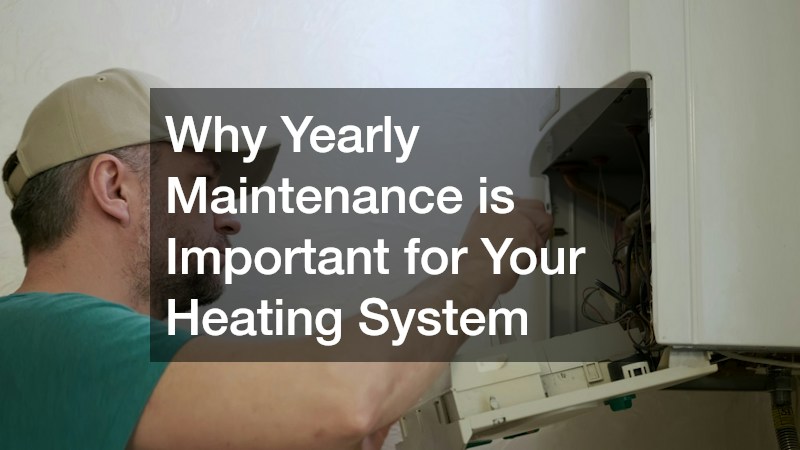
Discover the crucial role of regular maintenance in keeping your heating system efficient, safe, and long-lasting. Heating systems are essential in providing warmth and ensuring comfort during colder months. However, without proper care, these systems can become inefficient and even pose safety risks. Regular maintenance is a proactive step that safeguards against potential hazards while contributing to energy savings.
What are the benefits of yearly maintenance for your heating system?
Improved Efficiency
Learn how maintenance enhances system performance and reduces energy consumption. Regular maintenance allows heating systems to operate at peak efficiency, translating to lower energy costs for homeowners.
By ensuring components such as burners, heat exchangers, and filters are clean and functioning correctly, a heating repair service can minimize energy wastage. Regular tune-ups also help in identifying areas of improvement that could further enhance system performance. Consequently, an efficiently running system not only contributes to cost savings but also reduces its environmental footprint.
Extended System Lifespan
Understand how regular check-ups can prolong the life of your heating equipment. Timely interventions prevent minor issues from developing into significant problems that necessitate costly replacements. Through a consistent maintenance schedule, parts that wear out or require calibration can be promptly addressed by a professional heating repair service. This proactive approach extends the longevity of your system, ensuring you get the most out of your investment. Additionally, a well-maintained system is less prone to sudden failures, providing peace of mind for homeowners.
Cost Savings
Explore how proactive care leads to fewer repairs and lower expenses in the long run. Yearly maintenance can help detect and rectify small issues before they escalate, thus averting expensive repair bills. When heating systems function smoothly thanks to consistent maintenance, they consume less energy and reduce the overall heating costs. Moreover, potential operational hiccups can be tackled head-on by professionals, who will ensure optimal running conditions. Proactive maintenance, therefore, becomes a cost-effective strategy that ensures financial savings over the system’s lifetime.
How does maintenance prevent common heating system issues?
Identification of Potential Failures
Early detection of components at risk helps avoid unexpected breakdowns. An in-depth inspection carried out by a reliable heating repair service can identify wearing parts and connections. By spotting such vulnerabilities early, it becomes feasible to carry out necessary repairs or replacements before they cause a system failure. Regular maintenance may involve ensuring that vents, thermostats, and other critical components are in good shape. Timely interventions translate into a continuously reliable heating system, ready to face the demands of cold weather.
Reduced Risk of Carbon Monoxide Leaks
Inspect for issues that could lead to dangerous gas emissions. One of the most dangerous hazards associated with heating systems is the risk of carbon monoxide leaks, which can be life-threatening. Regular maintenance checks by experts can identify potential leaks, typically caused by malfunctioning heat exchangers or blocked flue pipes. Addressing these issues promptly not only enhances system safety but also provides peace of mind. Investing in a heating repair service to conduct annual checks significantly lowers the risk of CO exposure.
Prevention of Dust and Debris Buildup
Regular cleaning prevents obstructions that reduce system efficiency. Dust and debris accumulation within a heating system can obstruct airflow, resulting in reduced efficiency and increased energy consumption. During maintenance, a heating repair service meticulously cleans components like filters and blowers, thereby improving air quality and system performance. Keeping the internal components clean is vital for sustaining efficient operations. This preventative measure contributes to seamless functioning, ensuring your heating system works optimally when needed the most.
When is the best time to schedule yearly maintenance?
Off-Season Timing
Find out why servicing during spring or early fall is ideal. Scheduling maintenance in the off-peak seasons allows greater flexibility and accessibility to a heating repair service. It also prepares your system for any unforeseen issues before they’ll be most needed during peak winter demand. Professionals are less tied up, enabling more thorough inspections and swift service. Strategically opting for maintenance during these periods ensures your heating system is primed for the coming cold months.
Signs You Shouldn’t Wait
Recognize urgent cues to address potential issues immediately. If your heating system exhibits signs of malfunction, such as strange noises or erratic heating, it’s time to consult a heating repair service. Ignoring these signals can lead to costly repairs or complete system failures. Prompt attention to unusual indicators supports the continued efficient operation of your system. Swift responses to such signs thwarting operational inefficiencies ensure safety and comfort in your home.
Booking in Advance
Avoid the peak-season rush by planning your maintenance schedule ahead. Booking a year in advance with a trusted heating repair service ensures your system receives care at the right time. This forethought avoids the risks associated with breakdowns during periods of high demand. Advanced planning contributes to better rates, as many service providers offer discounts during off-peak times. Ultimately, pre-scheduling your heating maintenance ensures a stress-free and reliable service throughout the year.
Yearly maintenance of heating systems is a fundamental commitment to safety and long-term efficiency. By integrating professional checks into your annual routine, you not only protect your home from potential hazards but also optimize energy usage. Proactively engaging with reliable heating repair services ensures that your system remains adaptable and effective.