Owning a swimming pool can make your outdoor area more enjoyable, particularly during Australia’s warmer months. However, keeping a pool clean, safe and ready to use requires regular maintenance. An automatic pool cover can provide a convenient way to protect the water when the pool is not being used, but it also represents an additional investment.
Before deciding whether one is worthwhile for your property, it helps to consider the potential benefits, ongoing maintenance requirements and how frequently you use your pool.
Understand How Automatic Covers Work
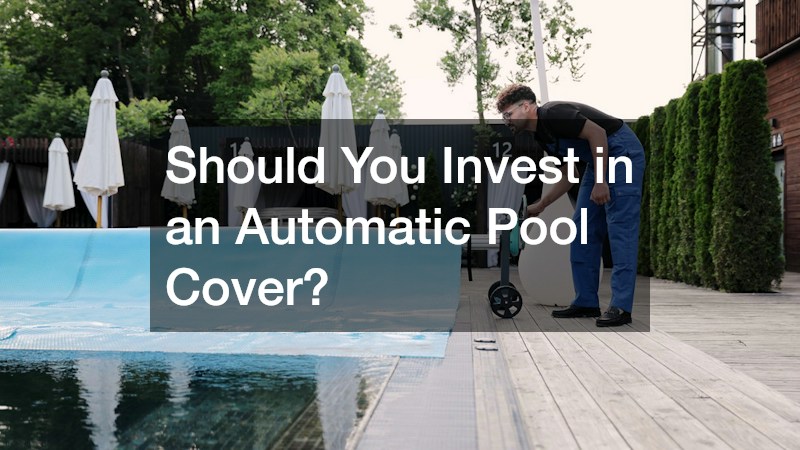
An automatic pool cover is designed to cover and uncover a swimming pool with the operation of a motorised mechanism. Depending on the system, the cover may be positioned above or below the pool’s surface and can be operated using a switch, remote or other control system.
Unlike manually handled covers, an automatic system does not require you to physically drag a large cover across the pool each time you want to use it. This can make covering the pool a much simpler part of your routine.
The design and installation method can vary depending on the pool’s size, shape and surrounding area, so it is important to choose a system that is suitable for your particular pool.
Reduce Pool Maintenance
One of the major advantages of covering a pool is reducing the amount of debris that enters the water. Leaves, dirt and other outdoor debris can accumulate in an uncovered pool, creating additional work for homeowners.
When the pool is covered while it is not being used, there may be less debris to remove from the water. This can make routine cleaning more manageable and potentially reduce the amount of time spent maintaining the pool.
A cover does not eliminate the need for regular cleaning or water treatment, but it can complement your existing maintenance routine.
Help Manage Water Evaporation
Water can naturally evaporate from an uncovered swimming pool, particularly during periods of hot weather. Replacing lost water can contribute to household water consumption and may also affect the balance of chemicals in the pool.
An automatic pool cover can create a barrier between the water and the surrounding environment when the pool is not in use. This may help limit evaporation and make it easier to maintain consistent water levels.
The amount of evaporation you experience will depend on factors such as temperature, wind, humidity and pool exposure, so the potential savings can vary between properties.
Consider Energy Efficiency
Keeping a pool at a comfortable temperature can require energy, particularly if you use a heating system. A pool cover can help reduce heat loss when the water is not being used.
This may make a cover worth considering for households that regularly heat their pool. By limiting exposure to the surrounding air, the cover can help retain some of the warmth in the water.
However, the actual energy savings will depend on the type of cover, pool heating system, local conditions and how often the pool is covered.
Think About Convenience
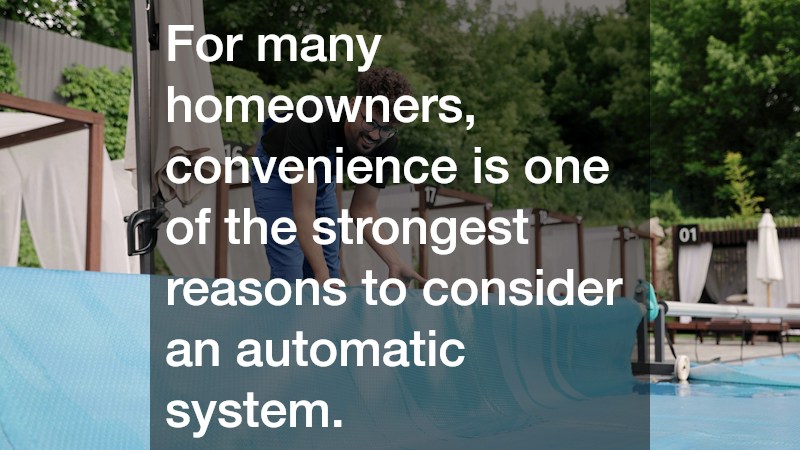
For many homeowners, convenience is one of the strongest reasons to consider an automatic system. Traditional pool covers can be cumbersome to handle, particularly for larger pools.
If covering the pool involves considerable effort, you may be less likely to do it consistently. A motorised system can make the process considerably easier, encouraging you to cover the pool whenever it is not being used.
This convenience can be particularly valuable for households that use their pool frequently or want to make maintenance tasks easier for everyone.
Consider Safety Requirements
Pool safety should always be treated as a priority. While some covers may provide safety benefits when properly installed and used, not every pool cover is designed or certified as a safety barrier.
Do not assume that an automatic pool cover can replace fencing, gates or other safety measures required by Australian regulations. Before choosing a system, ask the installer about its safety capabilities and check the requirements that apply to your property.
A professional installer can help you understand how the cover should be used and maintained.
Weigh The Installation Costs
An automatic system can cost more upfront than a basic manual pool cover. Installation may also involve additional work depending on the pool’s existing design and the type of mechanism selected.
Consider the purchase price alongside the potential long-term benefits, including convenience, reduced cleaning and possible savings associated with water and energy use.
It is also worth asking about warranties, servicing requirements and replacement components before committing to a particular system.
Is It Worth The Investment?
For homeowners who regularly use their pool and want to simplify maintenance, an automatic pool cover can be a worthwhile investment. It can make covering the pool easier while helping reduce debris and evaporation and potentially improving heat retention.
However, the value will depend on your pool, budget and lifestyle. If you rarely use your pool or have a limited budget, a simpler cover may be more appropriate.
Before making a decision, compare different systems, consider the long-term costs and speak with a qualified pool professional. Choosing the right automatic pool cover can make pool ownership more convenient while helping you get greater value from your outdoor space.