A home inspection can give you peace of mind, but it rarely tells the whole story. Standard inspections are visual and time-limited, which means inspectors often miss problems hidden behind walls, under soil, or inside systems that only reveal issues under specific conditions. Knowing what typically slips through the cracks can save you thousands in surprise repairs after closing. This guide walks through the most commonly overlooked problem areas so you know exactly what to double-check before or after you buy.
Roof Flashing and Underlayment Issues
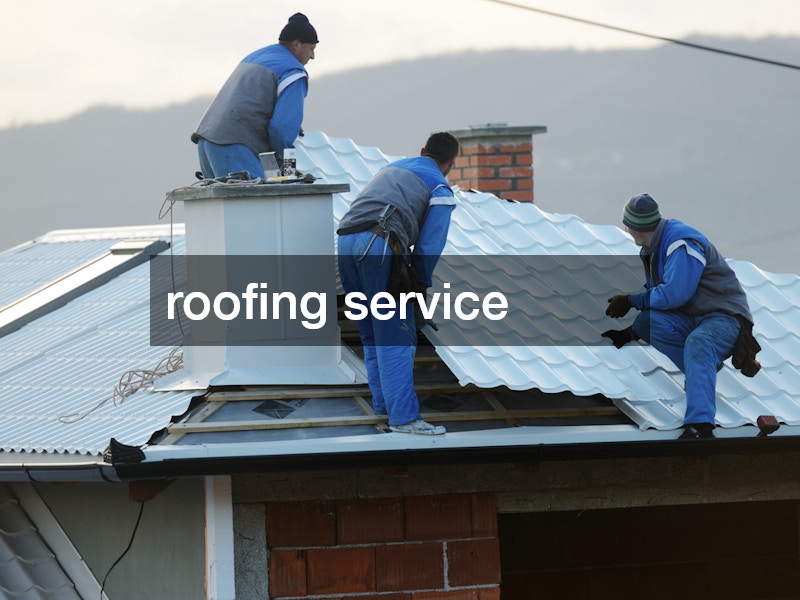
Inspectors typically examine roofs from the ground or a ladder, which means they rarely get a close look at flashing around chimneys, vents, and skylights. These small metal strips are one of the most common sources of hidden leaks, and damage often isn’t visible until water stains appear on ceilings months later. A general home inspector may note the roof’s overall age and obvious wear but miss deteriorated sealant or improperly lapped flashing.
The underlayment beneath the shingles is even harder to assess without removing roofing material, which most inspections don’t include. This felt or synthetic barrier is the roof’s last line of defense against water intrusion, and if it’s cracked, torn, or improperly installed, moisture can seep in for months without any visible sign on the surface. By the time a stain shows up indoors, the wood decking underneath may already be soft or rotting.
Certain trouble spots deserve extra scrutiny that a standard walkthrough often skips. Step flashing along dormers and wall intersections can pull loose over time as a house settles, creating gaps that funnel water directly into the wall cavity. Pipe boot flashing around plumbing vents typically has a rubber gasket that degrades within 10 to 15 years, well before the shingles themselves need replacing.
Homeowners can catch some of these issues early by checking attic spaces after heavy rain for damp insulation, dark streaks on rafters, or a musty smell near roof penetrations. Hiring a roofing specialist to physically walk the roof, rather than relying solely on a general inspector’s visual survey, can also reveal lifted flashing or worn sealant before it turns into a costly repair.
Roofing problems compound quickly once water gets underneath shingles, so it’s worth having a roofing service take a closer look, especially on homes older than 15 years. Standard home inspectors typically view the roof from a ladder or the ground, which means flashing around chimneys, vent pipes, and skylights often gets a visual once-over at best. A dedicated roofing service can climb onto the surface itself, check underlayment condition, and identify soft spots that indicate rot in the decking below.
Flashing failures are especially easy to miss because the damage they cause shows up somewhere else entirely. A gap of even a quarter-inch at a chimney’s step flashing can funnel water into the attic, where it stains ceiling drywall two rooms away. By the time a homeowner notices the stain, the wood sheathing underneath may already be soft or discolored.
This is especially important if the inspection report mentions “minor wear” without further detail, since that phrase often masks bigger issues. Ask the roofing service to check the flashing seals at every penetration point, inspect for granule loss on shingles near valleys, and confirm the underlayment hasn’t separated or torn beneath the surface layer. Catching these problems early, often for the cost of a few hundred dollars in repairs, can prevent a $10,000-plus roof replacement down the line.
Aging Electrical Panels and Wiring
Home inspectors check that outlets work and panels are labeled, but they don’t typically open up walls, pull panel covers to inspect connections, or trace wiring runs throughout a house. Their evaluation is largely visual and limited to accessible areas, which means a panel can look tidy on the outside while hiding scorched breakers, loose lugs, or improper splices behind the dead front.
Homes built before the 1980s may still have aluminum wiring, knob-and-tube systems, or undersized panels — often 60-amp or 100-amp services — that can’t handle modern electrical loads from HVAC systems, kitchen appliances, and home electronics. Federal Pacific Electric and Zinsco panels, both common in mid-century construction, are especially notorious for breakers that fail to trip during overloads, a defect that isn’t obvious without specialized knowledge.
These issues aren’t always flagged because they aren’t actively causing a problem at the moment of inspection. A breaker box can pass a basic visual check and still pose a serious fire risk, since aluminum wiring expands and contracts differently than copper, gradually loosening connections at outlets and switches over years of normal use.
Warning signs worth asking about specifically include warm outlet covers, flickering lights unrelated to bulb issues, a persistent burning smell near the panel, or breakers that trip repeatedly under normal loads. A licensed electrician, not the general home inspector, is typically the right person to evaluate whether these systems need updating.
Aging electrical panels are one of the most overlooked hazards in older homes, largely because they don’t announce themselves until something goes wrong. Panel brands like Federal Pacific and Zinsco, common in homes built before the 1980s, have documented histories of breakers failing to trip during overloads. Home inspectors often flag these by name, so if your report mentions one, treat it as a serious red flag rather than a minor note.
If your inspection report mentions an older panel brand, double taps on breakers, or any burning smell near outlets, it’s worth bringing in electrical contractors before you finalize your purchase decision. Also watch for aluminum wiring, which was widely used in the 1960s and 70s and is more prone to loose connections and overheating than copper. A panel rated below 100 amps may also struggle to handle modern demands like central air, electric vehicle chargers, or a kitchen full of appliances.
Licensed electrical contractors can perform load calculations and check for outdated materials that pose fire risks. They’ll also verify whether the panel has adequate breaker space for future additions, since a maxed-out box often means costly upgrades down the road. Expect a thorough inspection to cost a few hundred dollars, while a full panel replacement can run anywhere from $1,500 to $4,000 depending on your area and panel size.
This is one area where a small upfront cost can prevent a much larger, and more dangerous, problem later.
- Federal Pacific or Zinsco panels, both discontinued decades ago, whose breakers can fail to trip during overloads and are linked to house fires
- Aluminum wiring in homes built between 1965 and 1973, which oxidizes at connections and poses a risk unless properly pigtailed with copper
- Missing GFCI protection in kitchens, bathrooms, garages, and outdoor outlets, required by code near any water source
- Overloaded circuits feeding too many rooms, often revealed by warm outlet covers or frequently tripping breakers
- Signs of DIY wiring work without permits, such as mismatched wire gauges, exposed splices, or missing junction boxes
- Double-tapped breakers, where two wires are crimped under a single terminal meant for one
- Outdated fuse boxes still in use, which can’t support the electrical load of modern appliances and electronics
- Absence of AFCI protection in bedrooms and living areas, a common gap in homes not updated since the early 2000s
Slow Drain Lines and Sewer Line Cracks
A standard inspection usually involves running water and flushing toilets to confirm drains work, but this test won’t reveal slow leaks, partial clogs, or cracks deeper in the sewer line. Tree roots, aging clay pipes, and bellied lines can all cause backups that only show up after months of use. These problems are especially common in homes with mature landscaping near the main sewer line.
A drain cleaning contractor can run a camera scope through the plumbing system to check for blockages, cracks, or root intrusion that a visual inspection would never catch. This kind of camera inspection is inexpensive compared to the cost of a full sewer line replacement, and it gives you real evidence rather than guesswork. If the home has older cast iron or clay pipes, this step should be considered essential rather than optional.
Aging Supply Lines and Water Heater Wear
Plumbing systems are notorious for hiding problems behind walls and under floors, and a standard inspection can only assess what’s visible and accessible. Galvanized supply lines corrode from the inside out, which means they can look fine externally while restricting water flow or leaking slowly into subfloors. Water heaters near the end of their expected lifespan may pass a basic inspection but fail within the first year of ownership.
Bringing in plumbers for a more thorough evaluation is especially worthwhile in homes over 30 years old or in any property where the inspection notes low water pressure. Experienced plumbers can identify pipe material, check the water heater’s anode rod condition, and spot small drips before they become major leaks. This is a relatively small investment that can prevent extensive water damage down the road.
Grading, Drainage, and Soil Movement Around the Foundation
Foundation issues are among the most feared hidden problems, and they’re often tied directly to how water moves around a property. Poor grading, clogged gutters, and inadequate drainage can slowly saturate soil near the foundation, leading to cracks, settling, and basement leaks over time. Inspectors will note visible cracks but can’t always predict how a property’s drainage will behave during heavy rain.
In cases where the yard shows uneven slopes, standing water, or previous patch jobs, hiring an excavating contractor may be necessary to correct grading and install proper drainage solutions. An excavating contractor can also identify buried debris, old septic systems, or soil composition issues that affect long-term stability. This kind of work is disruptive but often far less expensive than repairing a compromised foundation later.
Overgrown Trees and Root Damage Near the Home

Large trees near a house are often flagged in a home inspection simply as “mature landscaping,” without much discussion of the risk they pose. Roots can grow into sewer lines, lift foundations, and crack driveways, while overhanging branches can damage roofing during storms. These risks are easy to overlook because the tree itself may look perfectly healthy from the ground.
It’s worth having local tree services assess any large trees within 20 feet of the home, particularly if roots are visible above the soil line or branches hang over the roof. Local tree services can evaluate root spread, structural stability, and disease that isn’t obvious to an untrained eye. In situations where a tree is diseased, leaning, or too close to the foundation, tree removal services may be the safer long-term solution rather than repeated trimming and monitoring.
Cracked Driveways and Settling Walkways

Concrete and asphalt surfaces are usually just glanced at during a home inspection, since they’re not part of the core structural or mechanical systems being evaluated. However, cracked driveways and settling walkways can indicate deeper drainage problems or soil erosion that also affects the foundation. Small cracks might seem cosmetic but can widen quickly with freeze-thaw cycles in colder climates.
If a driveway shows significant cracking, pooling water, or uneven sections, getting a quote from local paving companies can clarify whether the issue is surface-level or structural. Local paving companies can also advise on whether resurfacing is sufficient or if a full replacement is needed due to base failure underneath. Addressing this early prevents tripping hazards and keeps water from pooling against the home’s foundation.
Aging HVAC Systems and Ductwork Leaks
Inspectors typically test that heating and cooling systems turn on and blow air, but they don’t measure efficiency, check refrigerant levels, or inspect ductwork for leaks. A furnace or air conditioner can be nearing the end of its life while still technically functioning during a short test. Leaky or poorly insulated ductwork in attics and crawlspaces can also waste significant energy without any obvious symptoms.
Scheduling a full evaluation with an HVAC contractor before or shortly after closing can reveal the system’s true remaining lifespan and efficiency rating. An HVAC contractor can also check for cracked heat exchangers, which pose a carbon monoxide risk that a standard inspection won’t catch through a simple function test. Given that HVAC replacement is a major expense, this inspection is one of the most valuable follow-ups a new homeowner can schedule.
Fence Condition and Property Line Disputes
Fences are often dismissed during inspections as a minor cosmetic feature, but they can hide rot, unstable posts, and boundary line issues that become expensive headaches later. Wood fences in particular can look fine from a distance while the base of each post is rotting underground. Property line discrepancies involving fences can also lead to disputes with neighbors that complicate future renovations or sales.
Consulting fence contractors before finalizing a purchase can help confirm whether the existing fence needs repair, replacement, or realignment to match the actual property survey. Fence contractors can also test post stability and recommend materials suited to the local climate and soil type. Catching these issues early avoids awkward conversations with neighbors and unexpected repair costs after you’ve already moved in.
Hidden home damage rarely announces itself during a two or three hour walkthrough, which is why smart homeowners treat the inspection report as a starting point rather than a final verdict. Bringing in specialized professionals for the systems that concern you most can uncover issues before they become expensive emergencies. Whether it’s the roof, plumbing, electrical panel, or the trees in the yard, a little extra diligence now can protect both your budget and your home’s long-term value. Take the inspection findings seriously, ask questions, and don’t hesitate to call in specialists when something seems even slightly off.