Owning a home often feels like a masterclass in managing subtle shifts. Long before a ceiling sags under the weight of a ruptured pipe or a basement floor transforms into a shallow pool, a building communicates its internal stress through tiny, easily overlooked signals. A faint discoloration along a baseboard, an unfamiliar rhythmic click when the furnace kicks on, or a minor dip in water pressure are rarely random anomalies. More often, they are early indicators of structural or mechanical degradation.
Catching these issues early is what separates a minor, manageable maintenance task from an overwhelming financial emergency. Most catastrophic property failures do not happen overnight; they are the result of micro-leaks compounding over months, thermal expansion straining aged connections, or slow moisture intrusion weakening concealed framing. Developing an observant eye turns homeownership from a series of reactive panics into a steady process of asset protection.
To maintain control over your property, it helps to conduct periodic walkthroughs that look past superficial aesthetics and focus on core structural and mechanical health. By systematically reviewing key zones from the roofline down to the basement slab, you can identify hidden problems while they are still inexpensive to rectify. Understanding how different building components interact over changing seasons gives you a distinct advantage in maintaining long-term property values.
Auditing Rooflines, Flues, and Upper Framing Systems
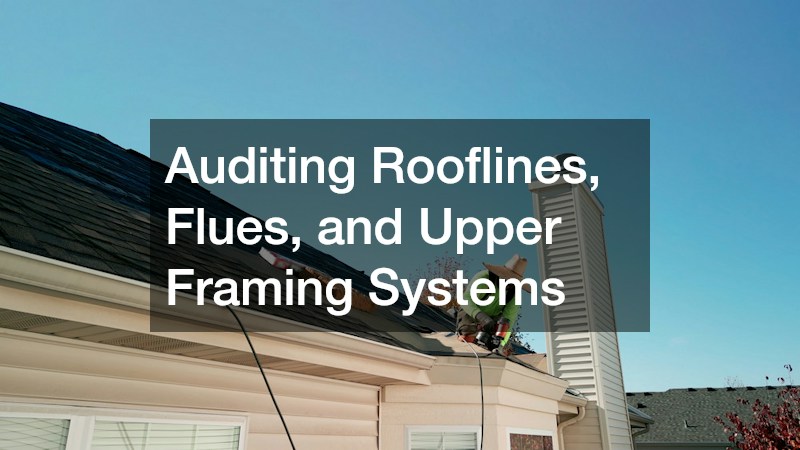
Roofing assemblies and masonry structures endure relentless environmental exposure, yet they are among the most infrequently inspected components of a residential building. A thorough upper-level audit begins from the ground with a pair of binoculars on a bright, dry day. Rather than focusing solely on missing shingles, examine the vertical lines of masonry chimneys, roof valleys, and structural flashing points. Mortar joints along brickwork naturally deteriorate over time due to freeze-thaw cycles, creating microscopic channels where driven rain can bypass water-resistant barriers.
Inside the home, the attic provides the most honest assessment of roof integrity. Venturing into the attic during a heavy rainfall or immediately after snowmelt often reveals issues long before stains manifest on interior drywall. Moisture travels along structural members, meaning a water spot on a living room ceiling might originate several yards away near an unsealed roof ridge or flashing seam.
- Extinguish all artificial lighting within the space and allow your eyes to adjust to the darkness. Look for pinpoint shafts of daylight breaking through the roof deck, particularly around roof valleys, plumbing vents, and chimney chases.
- Direct a flashlight along the underside of roof rafters, plywood decking, and collar ties, searching for dark water rings, rusted nail heads, or white powdery efflorescence left behind by evaporating moisture.
- Smell the air immediately upon entry. A persistent, damp, earthy odor indicates high humidity and poor ventilation, which accelerates wood rot and degrades insulation performance over time.
- Check the condition of soffit baffles to verify that attic insulation is not blocking critical intake airflow from the eaves.
Neglecting minor masonry cracking or flue flashing gaps often leads to saturated roof decking and compromised structural trusses. Addressing structural decay, wood rot, or chimney repair service requirements in their initial stages prevents full structural roof replacements or extensive masonry rebuilds. Similar vigilance should be applied to outbuildings on the property. Neglecting a slow eave leak during barn repair or workshop maintenance can quietly compromise structural posts, timber framing, and stored equipment before the damage becomes visually obvious from the outside.
Uncovering Subsurface Drainage and Main Line Plumbing Stress
While roof leaks often announce themselves through overhead stains, plumbing failures below floorboards or beneath foundation slabs operate in total obscurity. Subsurface supply lines and waste channels are subjected to constant internal hydraulic pressure and external ground movement, making them prone to slow, hidden failures.
Consider the case of a homeowner who notices an unexplained jump in their monthly water bill despite no change in daily household habits. A basic diagnostic routine can immediately confirm or rule out an active hidden supply leak. Locate your main water meter and ensure all interior faucets, laundry appliances, ice makers, and outdoor spigots are completely shut off. Observe the small leak indicator dial or digital flow rate display on the meter. If the indicator registers movement—even a minuscule sweep over a twenty-minute window—water is escaping somewhere within your property boundaries.
Detecting main line issues requires paying close attention to soil behavior, fixture drainage patterns, and basement perimeters:
- Unusually plush, dark green patches of turf across your lawn during dry spells often point to subterranean water or wastewater escaping beneath the surface.
- A lingering, faint sewer gas odor in lower-level rooms or near floor drains usually signals dried-up P-traps, cracked vent stacks, or main waste line blockages.
- Multiple fixtures draining slowly at the same time across the lowest level of the home indicates a restriction in the main sewer lateral rather than an isolated fixture clog.
- Hairline fractures expanding along basement slab floors or foundation perimeter walls often correlate with localized soil erosion caused by underground pipe leaks.
Ignoring chronic drainage delays or minor ground depressions over waste lines invites catastrophic sewage backups into living spaces. Investing early in localized video pipe inspections or sewer repairs protects subflooring and concrete slabs from structural shifting. Similarly, resolving minor supply line weeping under sinks or behind walls through timely local plumbing repair prevents subfloor rot, structural warping, and hidden wall cavity damage.
Diagnosing Hydronic and Domestic Hot Water Systems

Water heating infrastructure operates under continuous thermal cycling and internal pressure, making it a frequent source of sudden home flooding. Whether a property relies on a traditional tank system, a hydronic boiler for space heating, or a modern high-efficiency flow system, structural wear begins internally long before leaks appear on the exterior shell.
Hydronic heating boilers rely on a closed loop of pressurized water to deliver heat throughout the home. Over time, oxygen exposure and chemical imbalances inside the piping cause internal corrosion, leading to sediment accumulation near heating elements or within circulator pumps. Listening closely to your heating system during an initial call for heat offers valuable clues about its condition. Popping, deep rumbling, or kettle-like whistling noises indicate that mineral scale has trapped water beneath a layer of sediment, causing localized overheating and severe mechanical stress on the heat exchanger.
Conducting a visual audit of domestic water heaters requires checking critical connection points across the unit:
- Inspect the brass temperature and pressure relief valve near the top of the tank for signs of slow weeping, salt crusting, or rust trails.
- Look for green copper oxidation or orange rust scaling around cold-water inlet valves, expansion tanks, and hot-water supply nipples.
- Check the floor directly beneath the unit for tiny water rings or rusted jacket seams, which signal that the internal glass lining has failed.
- Monitor temperature stability across distant household taps to ensure mixing valves and heating elements are performing without internal restriction.
Catching these symptoms early gives you control over the replacement timeline. When a hydronic unit exhibits pressure drops or erratic temperature swings, seeking professional boiler repair before total pressure vessel failure avoids emergency room flooding. For properties utilizing compact continuous-flow systems, addressing internal scale buildup through regular descaling or tankless water heater servicing preserves delicate flow sensors and prevents costly heat exchanger burnouts.
Assessing Exterior Entryways, Outbuildings, and Recreation Facilities
Exterior mechanical systems and heavy structural doors are constantly exposed to atmospheric wear, ground settling, and mechanical friction. Because these features are designed for durability, subtle signs of wear are frequently ignored until complete mechanical failure occurs.
Heavy overhead garage doors, for example, rely on a delicate counterbalance of high-tension springs, steel cables, and track alignment to operate safely. When a door becomes slightly misaligned or a spring loses tension, the automatic opener motor attempts to compensate by exerting additional lifting force. Over time, this extra strain strips internal drive gears, bends track brackets, and creates a significant safety hazard for anyone entering the space.
To check overhead door health, pull the emergency release cord while the door is closed and raise the door manually to waist height. If the door drifts rapidly downward or feels excessively heavy, the spring balance is compromised. Inspect the weatherstripping along the bottom panel as well; deteriorated rubber seals allow ground moisture and rodents to penetrate interior perimeter walls. Addressing track drag, roller wear, or mechanical motor strain through prompt garage opener repair restores proper balance and prevents the door from binding or falling unexpectedly.
Outdoor leisure structures require a similar approach to early problem detection. Swimming pools, outdoor spas, and integrated water features contain complex subterranean plumbing loops that operate under suction and pressure:
- A steady drop in pool water level exceeding a quarter-inch per day (after accounting for normal summer evaporation) points to a hidden leak in the skimmer, return lines, or main drain.
- Air bubbles continuously returning through wall jets indicate a suction-side plumbing leak, which allows air to draw into the filtration pump.
- Small horizontal fractures along tile lines or coping stones often indicate surrounding deck soil settling or hydrostatic pressure building behind pool walls.
- Discoloration along equipment pad fittings often signals seal degradation inside filtration multi-port valves or heater connections.
Resolving small suction-side air leaks or shell fractures early through a qualified pool repair company prevents pump motor failure, deck displacement, and extensive subsurface erosion.
Monitoring Airflow, Refrigeration, and Climate Control Health

Central climate control systems directly influence indoor air quality, humidity control, and monthly energy consumption. Because ductwork, cooling coils, and air handlers are largely hidden inside mechanical closets or attic crawl spaces, efficiency losses and component wear often go unnoticed until total system failure occurs during extreme weather.
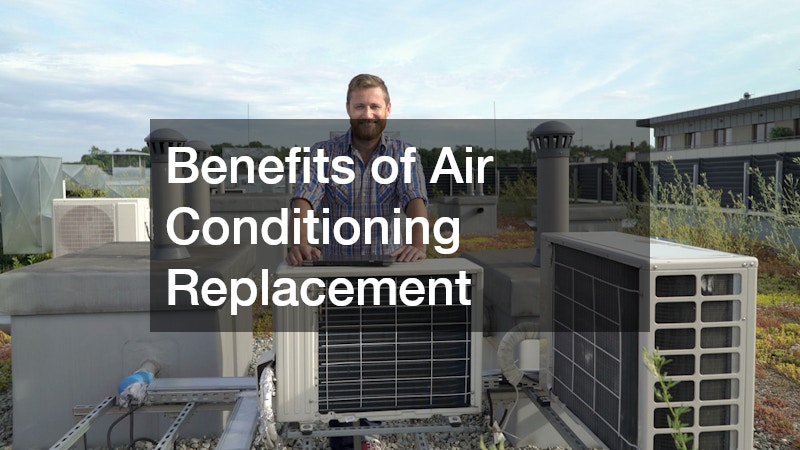
Evaluating an air conditioning system’s mechanical health begins with simple temperature differential measurements. Using a basic digital thermometer, measure the temperature of the air entering the main return grille and compare it to the temperature of the cold air blowing directly out of a supply register close to the handler. In a healthy, properly charged system, the air leaving the supply register should be roughly 15 to 20 degrees Fahrenheit cooler than the air entering the return. A temperature split significantly smaller than 15 degrees suggests reduced airflow, dirt-clogged evaporator coils, or a refrigerant leak within the closed loop.
Beyond temperature checks, observing operational patterns yields vital diagnostic data:
System Diagnostics Checklist
- Temperature Split (Supply vs. Return):
- 15°F to 20°F Difference: Optimal Performance
- Under 15°F Difference: Possible Refrigerant Loss or Dirty Coil
- Operational Cycling Behavior:
- Smooth, 15–20 Minute Run Cycles: Normal Operation
- Frequent Rapid Cycling (Short-Cycling): Thermostat or Oversizing Issue
- Condensation Management:
- Steady Flow from Primary Drain Line: Normal Moisture Removal
- Water in Secondary Emergency Pan: Primary Drain Line Blockage
In addition to thermal checks, visually examine duct joints in accessible crawl spaces or basements for loose foil tape, sagging flex ducts, or dark dust trails along seams, which indicate conditioned air escaping into non-living spaces.
When an air conditioning unit short-cycles—turning on and off every few minutes—it subjects electrical capacitors, contactors, and the main compressor to extreme thermal stress. Promptly addressing refrigerant imbalances, electrical arc damage, or compressor strain through target ac repairs extends the operating lifespan of the entire cooling assembly. Scheduling a comprehensive professional hvac test ensures static duct pressure, airflow volume, and heat exchanger integrity are fully evaluated before peak seasonal demand puts maximum stress on the equipment.
Establishing a Practical Schedule for Home Health Maintenance

Protecting a home from expensive, hidden damage does not require daily effort or specialized engineering tools. Instead, it relies on establishing a calm, consistent inspection habit that treats the building as an interconnected set of functional systems. Every component—from roof flashing to basement drainage—works in harmony to shield the living environment from environmental decay.
By dedicating thirty minutes at the start of each season to a basic property walkthrough—checking attic rafters, observing water meters, inspecting mechanical valves, and testing balance on heavy doors—you catch micro-failures long before they evolve into emergency restoration projects. Creating a simple digital photo record of mechanical nameplates, filter sizes, and plumbing valves ensures you have vital technical information ready whenever routine service is required.
Documenting your findings in a dedicated home notebook or digital file allows you to track subtle changes over time, such as a slow pressure drop in a heating line or a minor mortar hairline fracture that expands after winter. When you spot a warning sign, taking early, targeted action keeps you in complete control of your timeline and budget. Maintaining your property proactively preserves your home equity, protects your family’s daily comfort, and ensures your investment remains safe, secure, and resilient for years to come.