Key Takeaways
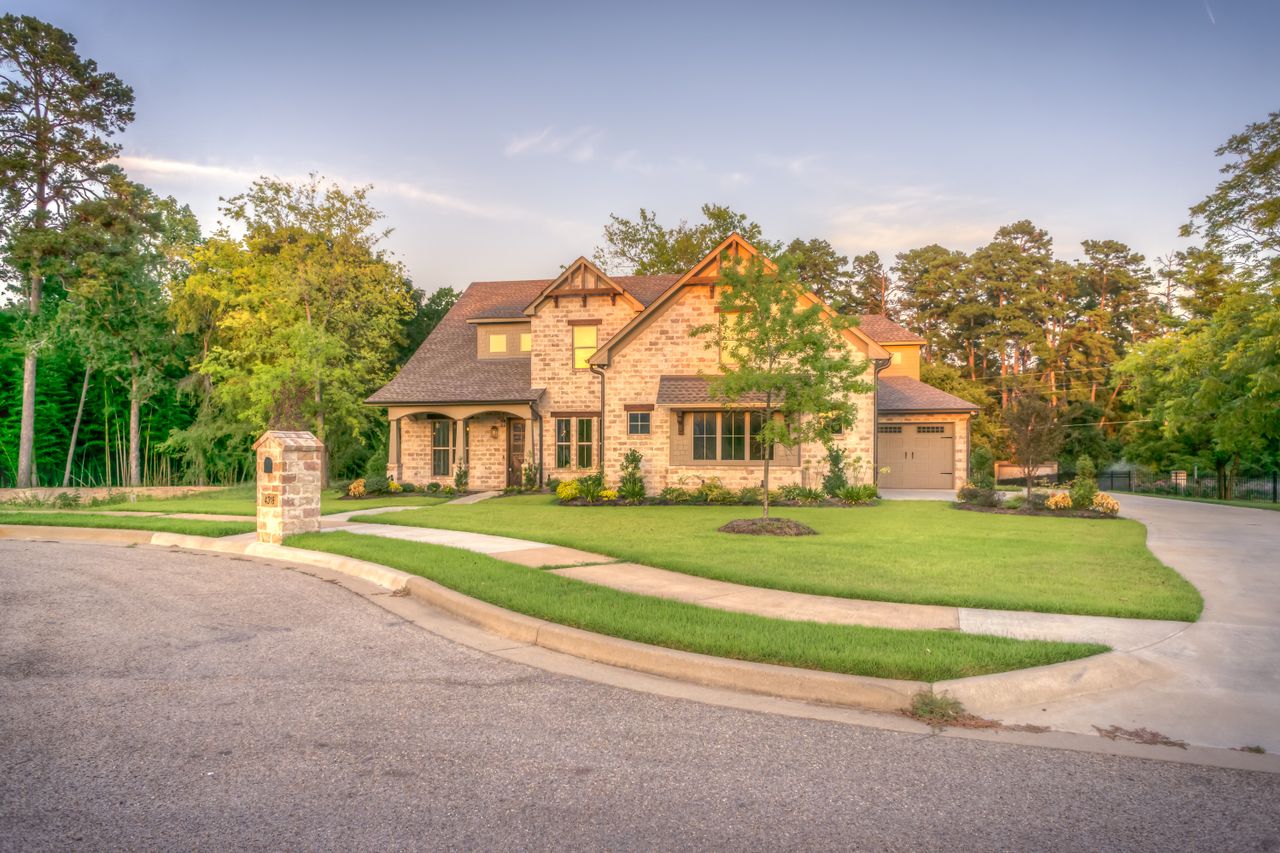
- A well-maintained exterior creates a welcoming first impression and can improve your home’s overall appearance.
- Coordinating exterior paint colors, trim, and accent features creates a cohesive facade.
- Suitable plants, defined garden borders, and clear pathways help create an attractive front yard.
- Updating the front door, house numbers, hardware, and outdoor lighting can make the entrance more inviting.
- Repairing damaged walkways, fences, and drainage problems should take priority over decorative upgrades.
- Prioritizing improvements according to safety, visual impact, and budget helps homeowners manage projects effectively.
- Regular inspections and seasonal maintenance help preserve exterior finishes, landscaping, and outdoor features.
Whether you want to refresh a tired facade, create a more inviting entrance, or prepare your property for sale, the most effective improvements begin with a clear plan. Understanding which areas deserve attention first helps you prioritize repairs, manage costs, and achieve a cohesive appearance. With practical ideas and consistent maintenance, you can make your home’s exterior more attractive, functional, and enjoyable throughout the year.
Why Does Curb Appeal Matter for Your Home?
Curb appeal describes how attractive a property looks from the street and surrounding areas. It reflects the combined appearance of the house, entrance, driveway, garden, outdoor lighting, and other visible features. Although it is often discussed in connection with selling a property, curb appeal also matters to homeowners who want to create a welcoming environment and maintain their investment.
A well-maintained exterior can communicate that a property receives regular attention. Clean walkways, healthy plants, intact paintwork, and a tidy entrance make the home look cared for. Conversely, peeling paint, overgrown shrubs, damaged fencing, and clutter can make even a structurally sound house appear neglected.
How Can Exterior Improvements Make a Difference?
Exterior improvements influence both appearance and everyday usability. Repairing damaged surfaces can help prevent moisture from reaching vulnerable materials, while improving drainage can reduce standing water near foundations and walkways. Better lighting can make entrances easier to navigate after dark, and thoughtful planting can create privacy without blocking windows or pathways.
These improvements can also help establish a consistent design. For example, coordinating the front door, window trim, outdoor lighting, and garden borders creates a more unified appearance than treating every feature as a separate project.
Consider the following benefits:
-
A more welcoming entrance: A clean path, attractive door, and suitable lighting help create a positive first impression.
-
Better property maintenance: Addressing peeling paint, damaged trim, and drainage problems can prevent minor issues from becoming more expensive repairs.
-
Improved outdoor usability: Clear pathways, functional steps, and organized garden areas make the property more convenient to use.
-
A more cohesive appearance: Consistent colors, materials, and landscaping choices help connect different exterior elements.
-
Potential resale appeal: A tidy, well-maintained property can make a stronger impression during viewings and property photographs.
Does Improving Curb Appeal Require a Large Budget?
Not necessarily. Some of the most noticeable improvements involve cleaning, organizing, repainting small features, trimming plants, or replacing outdated hardware. These projects can often be completed without changing the structure of the home.
Larger projects, such as repainting the entire facade, replacing a driveway, or rebuilding a retaining wall, require more planning and expense. The key is to distinguish between cosmetic updates and essential repairs. Fixing water damage or unstable steps should take priority over decorative changes.
Start by walking around the property and recording visible problems. Rank each item according to safety, urgency, visual impact, and estimated cost. This simple assessment gives you a practical starting point.
How Can You Improve Your Home’s Exterior With Paint?

Paint is one of the most visible elements of a home’s exterior. Its color, finish, and condition influence how the facade appears from the street. Faded walls, peeling trim, and mismatched colors can make a property look older than it is, while a carefully selected color scheme can highlight architectural features and create a more polished appearance.
Before selecting paint, consider the building’s design, existing roof color, window frames, surrounding landscape, and neighboring properties. A color that looks attractive on a small sample may appear much stronger across an entire wall. Testing several samples on different sections of the facade helps you understand how sunlight and shade affect the final result.
Which Exterior Colors Work Best for Different Homes?
There is no single color palette that suits every property. The most appropriate choice depends on architectural style, exterior materials, climate, and personal preference. Rather than following trends blindly, choose colors that complement the house and remain attractive over time.
Some combinations worth considering include:
-
White with dark trim: Crisp white walls paired with charcoal or black window frames create a clean, contemporary appearance.
-
Warm beige with cream accents: These shades offer a softer, traditional look and can complement brick, stone, and natural landscaping.
-
Sage green with off-white trim: Muted green tones blend naturally with gardens and mature trees.
-
Light gray with darker details: Gray provides a neutral foundation that works with many roof colors and architectural styles.
-
Deep blue with natural wood accents: Navy or slate-blue walls can create a distinctive facade when balanced with lighter trim and warm materials.
When exploring Modern Exterior Paint Ideas, focus on combinations that emphasize the property’s existing architecture rather than overwhelming it. A simple main color, a complementary trim color, and one carefully selected accent often create a more balanced result than using too many competing shades.
How Should You Prepare Exterior Surfaces Before Painting?
Good preparation is essential for an attractive, durable finish. Applying fresh paint over loose coatings, dirt, mildew, or damaged wood can lead to premature peeling and uneven coverage.
Start by inspecting the exterior for cracks, loose paint, damaged siding, deteriorated caulking, and signs of moisture intrusion. Clean suitable surfaces using an appropriate method, allow them to dry, and remove loose coatings where safe. Repair damaged areas and use the primer recommended for the material and paint system.
Important preparation steps include:
-
Clean the surface: Remove dirt, cobwebs, and other contaminants using a suitable cleaning method.
-
Repair damaged materials: Address cracked trim, deteriorated wood, and other defects before applying new paint.
-
Protect surrounding areas: Cover plants, fixtures, walkways, and nearby surfaces that should not receive paint.
-
Choose appropriate products: Match the paint and primer to the substrate and expected exposure conditions.
-
Check the weather: Follow product guidance for temperature, humidity, rain exposure, and drying time.
Exterior House Painting can involve ladders, elevated surfaces, and older coatings that may contain hazardous materials. Use appropriate protective equipment and seek qualified help for high or difficult areas, extensive damage, or potentially hazardous paint removal.
What Small Painted Features Can Make a Big Difference?
Painting every exterior wall is not always necessary. Smaller features can provide a noticeable improvement with less work and expense.
The front door is an especially useful focal point. A muted green, deep blue, warm red, or contrasting neutral can distinguish the entrance without clashing with the main facade. Window trim, shutters, porch columns, and garage doors can also benefit from fresh, coordinated finishes.
Before repainting these features, check whether the existing coating is sound and whether the material requires a specific preparation method. Consistent detailing can help the property look refreshed even when the main exterior color remains unchanged.
How Can Landscaping Transform Your Front Yard?
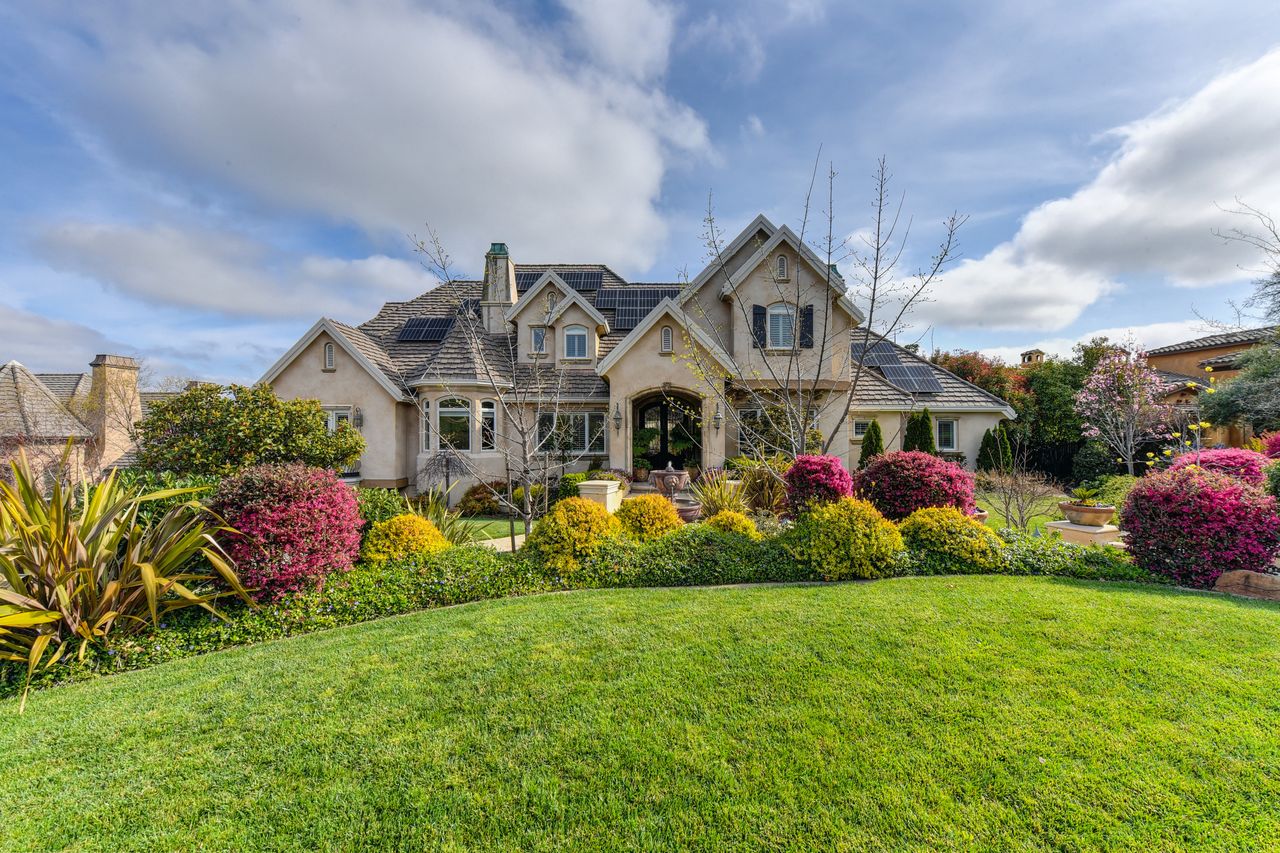
The front yard plays an important role in the overall appearance of a property. Plants, lawn areas, garden borders, trees, and pathways frame the house and connect the building to its surroundings. A thoughtful landscape design can soften hard architectural lines, create visual balance, and make the entrance feel more inviting.
A successful garden does not have to be elaborate. In many cases, a small number of well-positioned plants, defined edges, and an uncluttered pathway create a stronger impression than a crowded garden with too many competing features. The goal is to select plants and layouts that complement the house while remaining practical to maintain.
Which Plants and Garden Features Should You Choose?
Begin by assessing sunlight, soil conditions, drainage, available space, and the amount of maintenance you can reasonably manage. Plants that thrive in the local climate generally require less intervention than varieties that struggle with the conditions.
Choose a mixture of plant heights and textures to create visual interest. Low-growing plants can define pathway edges, medium-sized shrubs can frame windows or entrances, and selected taller plants can provide structure. Avoid placing large shrubs where they obscure the entrance, cover house numbers, or block visibility around driveways.
Useful landscaping ideas include:
-
Define garden borders: Clear edges between lawns, planting beds, and pathways make the yard appear organized.
-
Add seasonal color: Flowering plants can introduce color near the entrance without requiring a complete garden redesign.
-
Use containers strategically: Pots near the front door can create a focal point and are easy to rearrange.
-
Maintain existing trees and shrubs: Appropriate pruning removes damaged growth and helps prevent plants from overwhelming the facade.
-
Choose suitable ground cover: Plants or mulch can reduce bare soil and help create a finished appearance around planting beds.
How Can You Create a Low-Maintenance Front Garden?
A beautiful garden should fit your lifestyle. If you have limited time for maintenance, avoid a design that depends on frequent pruning, extensive watering, or delicate plants that require constant attention.
Choose climate-appropriate plants, group species with similar water requirements, and use mulch where suitable to help manage weeds and retain soil moisture. Efficient irrigation can make watering more consistent, although systems should be inspected regularly for leaks and blockages.
Artificial turf, gravel, and paving may reduce certain maintenance tasks, but they are not automatically the best solution. Consider drainage, surface temperatures, local conditions, and the effect of hard surfaces on rainwater runoff before replacing large areas of planting with paving.
Professional Landscaping can be helpful when a project involves complex grading, drainage problems, retaining walls, large trees, or coordinated planting and hardscape installation. For simpler projects, homeowners may be able to make meaningful improvements by tidying existing beds and introducing a manageable selection of plants.
How Should Plants Be Arranged Around the House?
Plant placement should support the building rather than hide it. Low planting near the entrance can guide attention toward the door, while shrubs placed beneath windows can soften the facade without blocking natural light.
Leave appropriate clearance between plants and exterior walls, siding, vents, and utility equipment. Dense vegetation close to the building can trap moisture, obstruct inspections, or provide unwanted access for pests. Trees should also be positioned with their mature size and root systems in mind.
A balanced arrangement usually combines open space with selected planted areas. Keeping the main entrance visible and pathways clear helps the entire property feel more accessible.
How Can You Make Your Front Entrance More Welcoming?
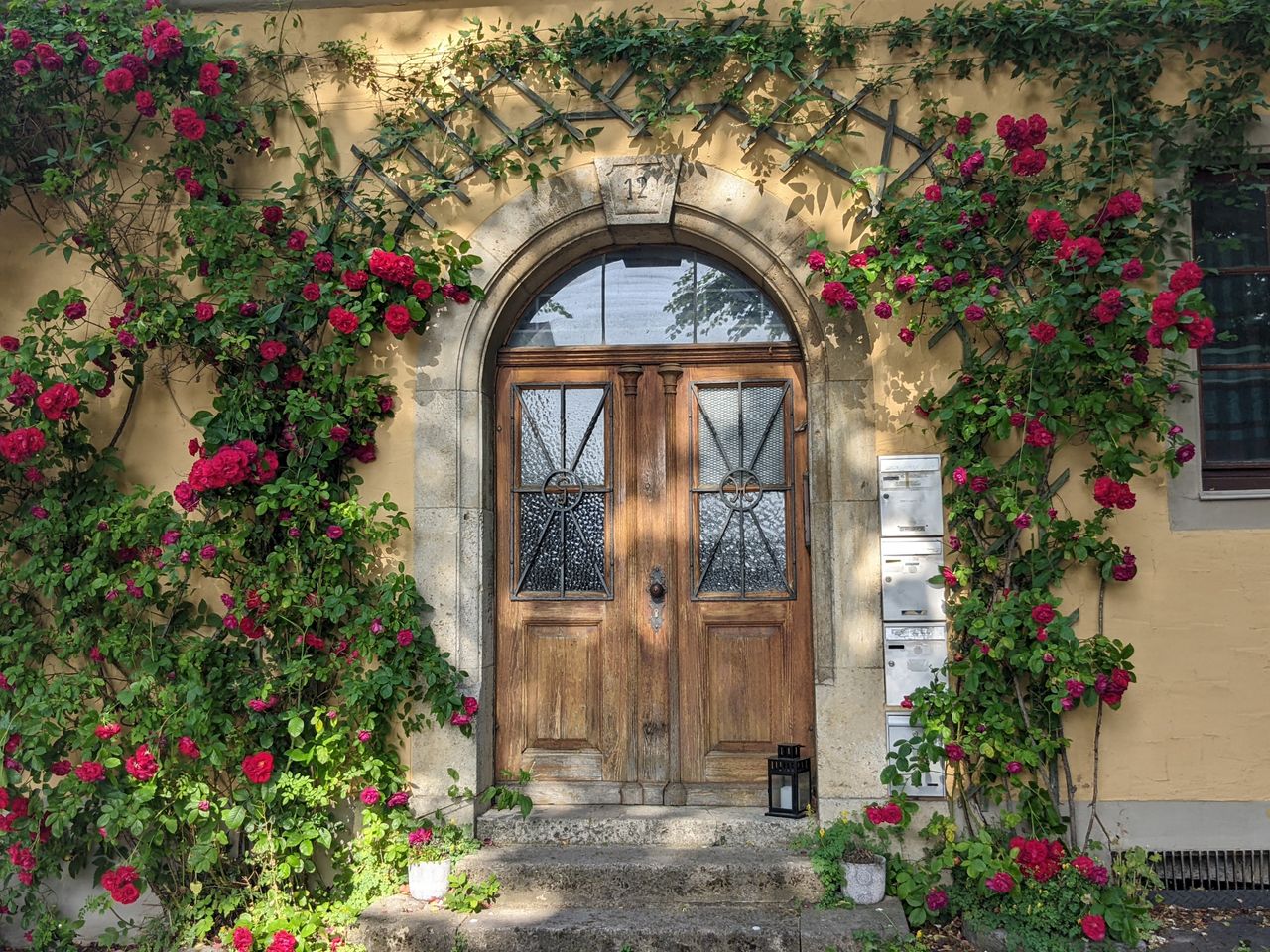
The front entrance is a natural focal point because visitors approach and interact with this area directly. Even when the rest of the exterior is simple, a clean and well-organized entrance can make the property feel more inviting.
Start with the basics. Clean the door, remove cobwebs, wipe down visible fixtures, and check that the door opens smoothly. Repair loose handles, damaged locks, worn weatherstripping, and any cracked steps. These practical improvements contribute to both appearance and usability.
What Can You Update Around the Front Door?
Small design changes can help distinguish the entrance from the rest of the facade. Consider the door color, hardware, house numbers, porch furniture, and decorative details as parts of one overall design.
A few effective updates include:
-
Refresh the door: Repaint a worn surface or restore its existing finish where appropriate.
-
Replace outdated hardware: A coordinated handle, lockset, and door knocker can make the entrance appear more intentional.
-
Improve house-number visibility: Choose numbers that are easy to read from the street and complement the exterior design.
-
Add restrained decoration: A seasonal wreath, one or two planters, or a simple doormat can add personality without creating clutter.
-
Repair the porch: Address loose boards, damaged railings, cracked tiles, and other visible defects.
Avoid filling a small entrance with too many decorative objects. Clear space makes it easier to approach the door and keeps attention on the architecture.
How Can You Use Lighting to Highlight the Entrance?
Outdoor lighting improves visibility and can make an entrance look more inviting after sunset. Suitable fixtures near the door, along steps, and beside pathways help people identify changes in level and move around safely.
Choose lighting based on the area’s purpose. A porch light should provide enough illumination for visitors to locate the door and use the lock, while pathway lights can help define the route from the driveway or sidewalk.
Consider these practical points:
-
Use fixtures rated for outdoor exposure and appropriate for their installation location.
-
Position lights to reduce glare into windows and neighboring properties.
-
Choose a consistent color temperature for a coordinated appearance.
-
Use motion sensors or timers where they suit your needs.
-
Keep lenses and fixtures clean, and replace damaged components promptly.
Electrical installation should be handled by a qualified professional when wiring, new circuits, or other regulated work is involved. Well-planned lighting should improve both appearance and safe access rather than simply adding decorative brightness.
How Can Driveways, Walkways, and Fences Improve Curb Appeal?
Hardscape features influence how people approach and experience a property. Driveways, paths, steps, boundary walls, and fences provide structure to the exterior and can either complement or detract from the home’s appearance. Cracked paving, uneven steps, weeds growing through joints, and damaged fencing often stand out because they are close to eye level or lie directly along the approach to the house.
Inspect these areas before investing in decorative upgrades. Safety and function should come first, followed by cleaning, repairs, and appearance improvements.
What Is the Best Way to Refresh a Driveway or Walkway?
The appropriate approach depends on the surface material and the condition of the installation. Concrete, natural stone, pavers, asphalt, and brick require different cleaning and repair methods. Using an unsuitable cleaning product or excessive pressure can damage some surfaces.
Begin by removing loose debris and vegetation. Address trip hazards, loose pavers, damaged joints, and drainage problems before applying sealants or decorative treatments. If water pools near the house, determine why it is accumulating instead of simply covering the area with a new finish.
For a straightforward refresh, you may be able to:
-
Sweep paths and remove accumulated leaves.
-
Pull weeds from suitable joints and planting edges.
-
Clean compatible surfaces with the manufacturer’s recommended method.
-
Repair minor joint or edging problems with appropriate materials.
-
Add simple borders or planting areas to distinguish the walkway from the garden.
Major cracks, significant settlement, unstable steps, or recurring drainage issues may require professional assessment. Cosmetic treatments will not solve an underlying structural problem.
How Can Fences and Boundary Features Complement the House?
Fences and boundary walls help define the property and can create privacy. Their condition also affects the impression of the entire exterior. Peeling paint, rusting metal, loose panels, and leaning posts can make the yard appear poorly maintained even if the house itself looks attractive.
Repair unstable sections before painting or staining. Select a finish that complements the main facade, trim, and other visible materials. If the house uses neutral colors, a matching or slightly darker fence can create a consistent look without competing for attention.
Keep gates functional and ensure they open freely. Trim vegetation that obscures the entrance or puts pressure on fencing, and check that boundary features do not block required visibility near driveways or public paths.
How Can You Improve Curb Appeal on a Budget?
Improving curb appeal is easier when projects are organized according to their impact and cost. Rather than attempting to update every exterior feature at once, identify the problems that are most visible from the street and address them in a sensible order.
A limited budget does not mean every improvement must be temporary or purely cosmetic. Cleaning, repairing damaged materials, maintaining plants, and improving the entrance can produce meaningful results while protecting the property from avoidable deterioration.
Which Improvements Should You Prioritize First?
Start with work that affects safety, water management, or the condition of the building. Loose steps, damaged gutters, leaking downpipes, deteriorated wood, and drainage issues should be addressed before decorative upgrades.
Next, focus on highly visible areas such as the entrance, facade, front garden, and driveway. These are often the areas that shape a visitor’s first impression.
A practical priority list might include:
-
Address essential repairs: Fix safety hazards, active leaks, loose materials, and significant drainage problems.
-
Clean the exterior: Remove dirt, leaves, cobwebs, and other visible debris using suitable methods.
-
Tidy the garden: Trim overgrown plants, define borders, and remove dead or unwanted vegetation.
-
Refresh key details: Repaint the front door, clean hardware, or replace damaged house numbers.
-
Improve lighting: Make the entrance and main pathways easier to navigate after dark.
-
Plan larger upgrades: Save for full facade painting, driveway replacement, or extensive landscaping when the budget allows.
How Can You Avoid Spending Money on the Wrong Improvements?
Before purchasing materials, identify the actual problem you want to solve. Repainting a wall will not resolve moisture entering through a damaged gutter, and planting new shrubs will not correct a poorly graded garden that directs water toward the house.
Compare the long-term cost of different solutions. Cheap materials may need frequent replacement, while more durable products can offer better value when properly installed and maintained. However, expensive products are not automatically superior; suitability for the surface, climate, and expected use matters more than price alone.
Measure the area before buying paint, paving, mulch, or plants. Include tools, preparation materials, waste removal, delivery, and possible labor costs in your estimate. For larger projects, obtain more than one detailed quote and compare the scope of work, materials, warranties, and exclusions rather than choosing solely by the lowest price.
How Can You Maintain Curb Appeal Throughout the Year?
Curb appeal is not a one-time project. Exterior paint, plants, walkways, fences, gutters, and outdoor fixtures all experience weather exposure and everyday wear. Regular inspections allow homeowners to identify problems early and keep the property looking consistent without relying on major seasonal renovations.
The right maintenance routine depends on local climate, building materials, and the amount of vegetation around the house. A property with mature trees may need frequent leaf removal, while a coastal home may require closer attention to corrosion and weather-related wear.
What Should You Check During Routine Exterior Inspections?
Walk around the property periodically and look for changes that may require attention. Inspect after severe weather when it is safe to do so, and avoid climbing onto roofs or accessing unstable structures without appropriate equipment and expertise.
A useful checklist includes:
-
Paint and exterior walls: Look for peeling coatings, cracks, damaged siding, or signs of moisture.
-
Gutters and downpipes: Check for blockages, leaks, loose brackets, and water overflowing near the building.
-
Plants and trees: Remove dead growth and check whether branches are touching the house or obstructing paths.
-
Walkways and steps: Look for loose pavers, uneven surfaces, slippery growth, and damaged handrails.
-
Doors and windows: Check seals, hardware, visible gaps, and the condition of surrounding trim.
-
Outdoor lighting: Confirm that fixtures work, remain securely mounted, and provide suitable illumination.
-
Fences and gates: Look for rust, loose boards, damaged finishes, and unstable posts.
Document recurring problems so you can identify patterns. For example, repeated peeling in the same location may indicate a moisture issue rather than simply a need for more paint.
How Can Seasonal Planning Make Maintenance Easier?
Divide larger maintenance tasks into manageable sessions instead of waiting until several problems appear at once. Schedule cleaning and pruning according to local growing conditions, and plan painting or sealing around the product’s weather requirements.
Before periods of heavy rain, clear appropriate drainage routes and check gutters and downpipes. During hotter or drier periods, monitor plant watering needs and inspect exposed surfaces for signs of stress. After storms, look for fallen branches, damaged fencing, blocked drains, or loose exterior components.
Avoid pruning plants at unsuitable times or applying coatings in conditions outside the manufacturer’s recommendations. If you are uncertain about the correct method for a particular material or plant, consult a qualified professional.
Conclusion
Improving your home’s curb appeal is about creating a balanced exterior that looks attractive, functions well, and remains easy to maintain. Fresh paint, healthy plants, an inviting entrance, clean pathways, suitable lighting, and well-maintained boundaries all contribute to the overall impression of a property. You do not need to complete every improvement at once to see meaningful results.
Begin by inspecting the exterior, correcting safety and maintenance problems, and identifying the areas with the greatest visual impact. Choose colors and materials that complement the architecture, select plants suited to local conditions, and establish a realistic budget for both immediate work and future upgrades. Regular inspections will help you protect the improvements you make and address small problems before they become more expensive.
With thoughtful planning and consistent care, your home can maintain a welcoming appearance, provide a more enjoyable outdoor environment, and present a well-kept facade throughout the year.