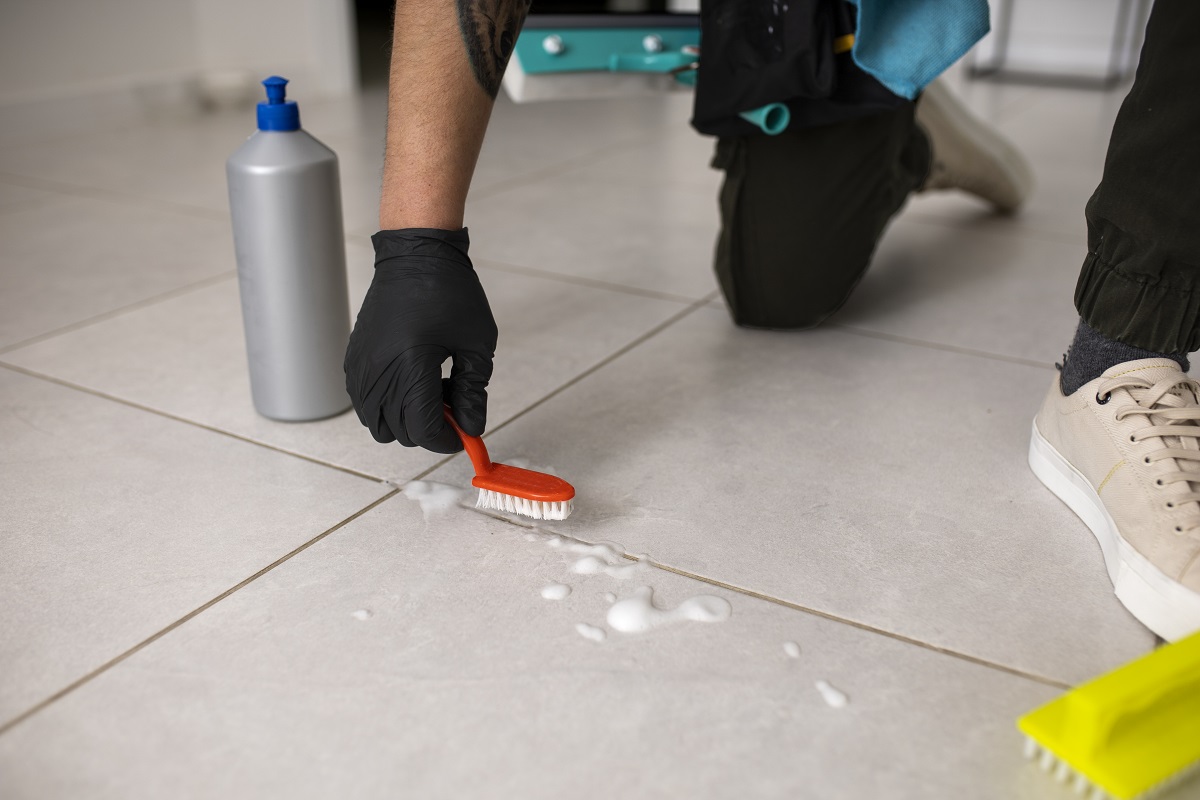
You can scrub, vacuum, and wipe every day and still feel like your home never looks truly clean. Often the problem isn’t your effort, it’s what you’re cleaning around and over. Aging pipes, worn rooftops, cracked driveways, and tired HVAC systems don’t just look dated, they actively work against your cleaning routine by trapping dirt, leaking moisture, and circulating dust. Understanding how these outdated systems and surfaces sabotage your efforts is the first step toward a home that actually stays clean.
Aging Plumbing and Hidden Moisture Problems
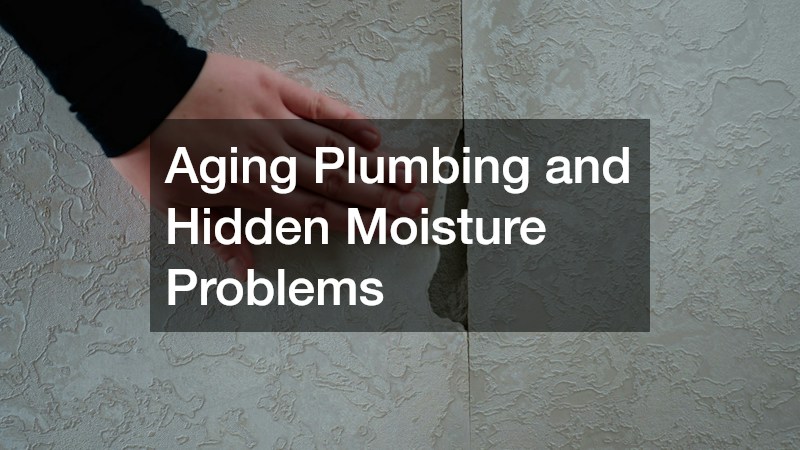
Old pipes don’t always announce themselves with a dramatic burst. More often they develop slow, hidden seepage behind walls or under floors that creates musty odors and mysterious stains no amount of scrubbing will remove. If you’ve noticed recurring mildew smells in the same corner of a room or paint that keeps bubbling despite repainting, moisture is likely traveling through a wall cavity from an unseen source. Galvanized steel and early copper plumbing, both common in homes built before the 1970s, are especially prone to this kind of failure. Galvanized pipes corrode from the inside out, narrowing their diameter and weakening joints until pinhole leaks form, often with little warning. Copper fares better but can still develop pitting leaks after 40 to 50 years, particularly in areas with acidic water or poor soldering. The damage these slow leaks cause is rarely limited to the pipe itself. Trapped moisture behind drywall or under subflooring creates ideal conditions for mold growth within 24 to 48 hours of sustained dampness, and that mold can spread through insulation and wall cavities long before it becomes visible. Warped baseboards, soft or spongy flooring, and a persistent damp smell in a closet or cabinet are all signs worth investigating rather than masking with cleaner or air freshener. Because these leaks are hidden, routine cleaning can’t address the root problem, no matter how thorough it is. A moisture meter or a professional plumbing inspection can confirm whether aging pipework is the culprit, and catching the issue early typically costs far less than repairing extensive water damage later.
Old galvanized pipes, aging copper joints, and deteriorating seals behind walls often leak slowly for months before any visible sign appears. By the time you notice a musty smell, peeling paint, or a soft spot in the floor, moisture may have already spread into subfloors, insulation, and wall cavities. That hidden dampness creates the perfect environment for mold, which no amount of surface cleaning will ever fully resolve. Professional leak detection equipment can pinpoint the exact location of a hidden pipe failure without tearing apart your drywall, saving you both time and unnecessary demolition. Tools like acoustic sensors, infrared cameras, and moisture meters allow technicians to trace a leak’s path through walls and under flooring in a matter of hours rather than days. This kind of targeted diagnosis typically costs far less than the open-ended exploratory demolition homeowners once had to rely on. Catching these issues early also protects your flooring and cabinetry from the kind of water damage that turns a quick cleaning job into a full renovation. Swollen baseboards, warped hardwood, and delaminating cabinet bases are expensive to replace and often signal that moisture has been present far longer than anyone realized. Waiting even a few extra weeks can mean the difference between a simple repair and replacing an entire section of flooring. Addressing the source is far more effective than treating the symptoms over and over again. Scrubbing away mildew stains or running a dehumidifier might mask the problem temporarily, but the underlying leak will keep feeding it. A one-time investment in proper detection and repair breaks that cycle for good.
- Musty smells that return shortly after cleaning often signal trapped moisture inside walls, cabinets, or under flooring, not just surface dirt
- Discolored ceilings or walls (yellow, brown, or copper-toned rings) can indicate a slow leak above or behind them, often from aging pipe joints
- Warped baseboards, buckled flooring, or soft spots underfoot are common signs of long-term water intrusion
- Peeling paint or bubbling wallpaper near pipes or fixtures can mean moisture is seeping through from behind the surface
- Unexplained increases in your water bill, even a jump of 20-30% with no change in usage, may point to a hidden leak
- Rusty or mineral-stained fixtures and corroded shutoff valves suggest aging pipes that are more prone to leaks and failures
Worn Siding That Traps Dirt and Grime

Siding that has reached the end of its useful life tends to develop micro-cracks and porous surfaces that grip dust, pollen, and grime far more aggressively than newer materials. Pressure washing might offer a temporary improvement, but if the surface itself is degraded, dirt will resettle into those grooves within weeks. This creates a frustrating cycle where you clean constantly but never see lasting results.
Reaching out to siding contractors for an honest assessment can clarify whether your exterior simply needs a deep clean or whether the material has genuinely broken down beyond restoration. Many homeowners are surprised to learn that newer siding products are specifically engineered to resist staining and algae growth, which dramatically cuts down on exterior maintenance. A fresh, properly sealed exterior can turn years of repeated washing into a once-a-season chore.
- Chalky residue on siding often means the protective coating has worn away
- Green or black streaks that reappear quickly suggest a porous, aging surface
- Cracked or warped panels create pockets where debris collects
- Gaps around seams can let moisture behind the siding, compounding grime buildup
Inefficient HVAC Systems and Dust Circulation

An aging air conditioning system does more than struggle to cool your home, it often circulates more dust and allergens through old ductwork and worn filters. If you find yourself dusting shelves and furniture every few days instead of weekly, your cooling system could be the hidden culprit. Older units also tend to run less efficiently, pulling in more unfiltered air and spreading particles throughout every room.
Scheduling routine AC service ensures filters are replaced, coils are cleaned, and ductwork is inspected for leaks that let dust-laden attic or crawlspace air into your living space. A well-maintained system doesn’t just cool better, it noticeably reduces the amount of airborne debris that settles on surfaces. For households with allergy sufferers, this single step can make a dramatic difference in daily cleaning demands.
- Visible dust buildup around vents often signals a dirty or failing filter
- Uneven cooling between rooms can indicate duct leaks pulling in outside dust
- A musty smell when the system kicks on suggests mold growth inside the unit
- Rising energy bills paired with poor air quality point to an aging system overdue for attention
Outdated Heating Equipment and Indoor Air Quality
Just as cooling systems affect cleanliness, an old furnace or boiler can quietly degrade the air quality in your home throughout colder months. Heating systems that haven’t been serviced in years tend to burn fuel less cleanly and can release soot or particulate matter into your ductwork. This settles on surfaces as a fine film that seems to reappear no matter how often you dust.
Arranging professional heating repair before the cold season hits can resolve inefficient combustion, clogged filters, and worn components that contribute to this buildup. A technician can also check for carbon monoxide risks, which matter far more than cleanliness but are worth mentioning given how closely they’re tied to aging equipment. Keeping your heating system current isn’t just about comfort, it directly affects how much grime accumulates indoors all winter.
- A persistent sooty residue near vents suggests incomplete fuel combustion
- Dry, irritated skin or sinuses during heating season can indicate poor air filtration
- Strange odors when the heat turns on often mean dust or debris buildup in the system
- Inconsistent room temperatures may point to an aging, inefficient unit
Deteriorating Rooflines and Attic Contamination
A roof nearing the end of its lifespan does more than risk leaks, it can allow outside dust, pollen, and even pest debris to filter into your attic space. Over time, this contamination works its way into your living areas through vents and small gaps, adding to the dust you’re already fighting indoors. Small cracked shingles or worn flashing are easy to overlook but can have an outsized impact on indoor air quality.
Getting a periodic inspection from established roofing companies helps catch these small vulnerabilities before they become major sources of contamination or structural damage. Many issues, like deteriorated underlayment or gaps around chimneys, aren’t visible from the ground and require a trained eye to identify. Addressing them early keeps both your attic and the rest of your home cleaner with far less effort.
- Curling or missing shingles are early signs of roof deterioration
- Daylight visible through attic boards indicates gaps letting in dust and debris
- Water stains on ceiling corners often trace back to roof flashing issues
- Pest droppings in the attic suggest openings large enough for contaminants to enter
Long-Lasting Roof Materials That Simplify Maintenance
Not all roofing materials age the same way, and some are far better suited to staying clean with minimal upkeep. Metal roofing contractors often point out that metal surfaces shed debris, resist moss growth, and don’t absorb grime the way aging asphalt shingles can. For homeowners tired of constantly clearing leaves, pine needles, and algae stains off their roof, this is a meaningful difference.
Beyond the cleaning benefits, metal roofing tends to hold up better against wind-driven rain and ice, which reduces the chance of the hidden moisture issues discussed earlier. While the upfront investment is higher than traditional shingles, many homeowners find the reduced maintenance and longer lifespan make it worthwhile over time. It’s worth weighing against your climate and budget before making a decision.
- Smooth metal panels naturally shed leaves and debris rather than trapping them
- Algae and moss have a harder time taking hold on metal surfaces
- Reflective coatings can reduce heat buildup in the attic
- Longer warranty periods often reflect the material’s extended lifespan
Cracked Driveways and Walkways That Collect Debris
Exterior surfaces take a beating from weather, and a driveway full of cracks and potholes becomes a magnet for dirt, standing water, and weeds. Every time it rains, these low spots fill with grime that gets tracked right back into your home on shoes and paws. What looks like a minor cosmetic issue outside can directly increase how often you’re mopping floors inside.
Resurfacing with quality asphalt paving smooths out these collection points and creates a surface that sheds water and debris instead of holding onto it. A properly graded and sealed driveway also resists the freeze-thaw cracking that causes problems to return year after year in colder climates. Taking care of this now prevents a steady stream of dirt from making its way indoors every time someone walks through the door.
- Potholes and cracks collect standing water that breeds mosquitoes and algae
- Uneven surfaces make it easy to track mud and debris into entryways
- Weeds growing through pavement cracks can spread seeds and dirt nearby
- Proper sealing extends the life of a driveway and reduces debris buildup
Cleaning a home is a losing battle when outdated systems and worn surfaces are constantly working against you. By identifying which components are contributing to recurring dust, moisture, or grime, you can target the root cause instead of repeating the same exhausting routine. Start with a professional assessment of the systems that concern you most, whether that’s plumbing, HVAC, roofing, or your exterior surfaces, and build a plan to upgrade them over time. A home built on well-maintained systems is simply easier, and faster, to keep clean.