Discover the common indicators that your plumbing system needs immediate attention. Early identification of these issues can save you from costly repairs and severe damage. Plumbing systems are the unseen heroes of our homes, ensuring everyday comfort and sanitation. However, minor issues, if ignored, can escalate into significant problems. Knowing what to watch for can make all the difference in maintaining your home’s integrity and value.
1. What are the most common signs of plumbing issues?
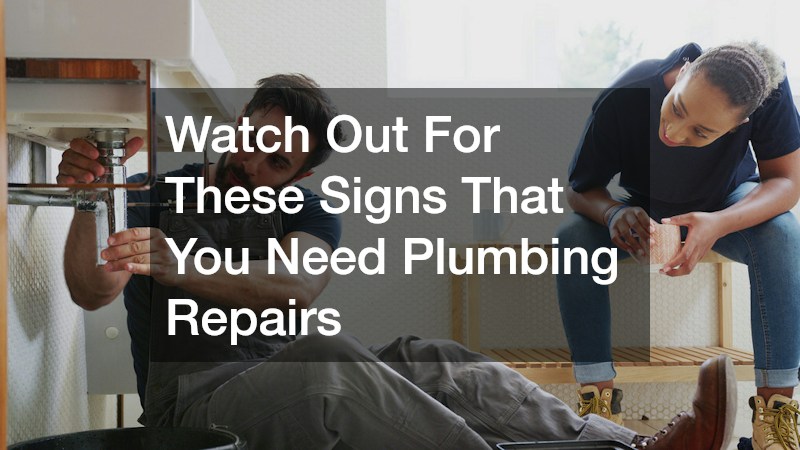
One of the most apparent signs that you need plumbing repairs is unusual noises coming from the pipes. These sounds, often described as rattling or banging, are usually indicative of a pressure issue or loosened fasteners within your plumbing system. Another common warning sign is a sudden drop in water pressure. This can point to a blockage or a more severe issue, such as a hidden leak somewhere in your piping system. Finally, water discoloration or bad odors can also indicate underlying plumbing problems, making it essential to investigate these signs promptly.
Additionally, frequent clogs in your sinks or toilets are a significant indicator of plumbing distress. While occasional clogs can be standard, constant blockages suggest a more severe problem, such as tree roots infiltrating your pipes or a deteriorating sewer line. Also, you may notice visible rust or corrosion on exposed piping, which can reduce water quality and result in leaks. Be attentive to any pools of water around fixtures, as these can indicate leaks or a failure in the sealing around your taps. These signs are often precursors to larger issues that could require expensive professional intervention if not addressed early.
Unexpected increases in your water bill without a corresponding increase in usage can also be a critical signal. This surge points to undiscovered leaks or inefficient fixtures consuming more water than necessary. Stay vigilant by regularly monitoring your water bill for anomalies. Being proactive by addressing any noticeable changes not only saves you money but also preserves your system’s functionality. Recognizing these common signs early can prevent hassle and costly repairs in your home’s future.
2. How can leaky pipes affect your home?
Leaky pipes can create significant structural damage to your property if not rectified promptly. Over time, even minor leaks can lead to weakened walls, floors, and ceilings due to water saturation. Moist areas foster the growth of mold and mildew, which can pose health risks to your family, particularly those with allergies or respiratory conditions. Given the potential for extensive damage, it is crucial to address leaky pipes as soon as they are detected. Therefore, regular inspection and maintenance can help mitigate the risk of leaks before they become a critical issue.
Beyond structural concerns, leaky pipes can also inflate your water bill needlessly. As water escapes through leaks, more water is required to maintain the same level of service within your home. This waste not only affects your finances but also places unnecessary demand on local water resources. Repairing leaks promptly can restore system efficiency and reduce resource wastage. Furthermore, resolutions to leakage issues can enhance the overall pressure and consistency of water flow throughout your home.
Moreover, neglecting leaky pipes can diminish the value of your property. Potential buyers often scrutinize a home’s plumbing system closely, and leaks are a red flag that might suggest other unseen issues. Furthermore, prolonged water exposure can decrease the aesthetic appeal of interiors through unsightly stains and paint bubbling. By maintaining a dry and well-functioning plumbing system, you support both the immediate and long-term value of your home. Thus, addressing leaks not only preserves your property but also ensures optimal living conditions.
3. Why is it important to address plumbing issues promptly?
Timeliness in addressing plumbing issues cannot be understated as it prevents potential escalating problems. Smaller, detectable issues are often the first indicators of more serious underlying complications threatening your system. Ignoring these signs can lead to emergencies like pipe bursts or severe backups that require immediate and costly interventions. Actively seeking timely repairs helps to avoid disruptions like water supply cuts or extensive water damage. Proactively managing repairs keeps your home functional and maintains hygienic living conditions for your family.
Prompt attention can also prevent the deterioration of other systems and appliances dependent on plumbing. Many home amenities rely on consistent water pressure and quality, such as dishwashers and washing machines. A compromised plumbing system might strain these appliances, shortening their lifespan and increasing the need for repairs or replacements. Furthermore, addressing plumbing problems quickly ensures environmental benefits by minimizing water wastage and reducing resource strain. By averting larger issues through immediate attention, homeowners can sustain both their personal comfort and sustainable practices.
Moreover, homeowners can use early detection to control repair costs significantly. Over time, unattended plumbing issues tend to worsen, leading to more invasive and expensive repairs required down the line. For instance, replacing a few corroded pipes is far simpler and cheaper than repairing structural damage caused by ignored leaks. By tackling repairs early, homeowners safeguard against outlandish repair expenses and enhance their capacity to budget for necessary maintenance. As such, swift actions directly contribute to maintaining financial peace of mind and systemic reliability.
4. What routine checks can you perform to prevent plumbing issues?
Performing regular maintenance checks is vital to preventing plumbing issues from taking hold. Start by inspecting all visible pipes for signs of drips or corrosion, as consistent inspection can identify potential problem areas before they become severe. Assessing faucets and showerheads for proper flow and any signs of leakage ensures they operate efficiently. Additionally, check under sinks and around toilets for moisture build-up or unexpected condensation. This proactive step helps in addressing minor issues before they escalate into larger, more costly repairs.
Homeowners should regularly monitor their water meter for reading fluctuations other than typical usage changes. Noticing discrepancies may point to hidden leaks within the system. Inspect hose connections to appliances to ensure they are adequately tightened and show no visible signs of wear. Furthermore, cleaning drainage and ensuring no obstructions remain in the line prevents notable clogs. Routine maintenance promotes a more durable and trustworthy plumbing system, providing peace of mind for the household.
Performing basic water quality tests at home is another beneficial routine. Discolored water or sediment can indicate various pipeline issues or potentially unsafe conditions. Testing water can reveal significant insights into the integrity of your pipes as deterioration can affect taste and color. Implement periodic tests into your home maintenance schedule to catch issues early. Routine checks encourage a proactive stance against plumbing failures, ensuring the long-term health of your system and water quality.
5. When should you call a professional plumber?
Despite diligent self-monitoring, certain issues may require professional intervention to ensure comprehensive repairs. If you notice any plumbing issues persisting despite DIY efforts, it’s time to seek professional advice. Professionals possess specialized tools and expertise for accurately diagnosing and resolving complex problems. Persistent low water pressure, recurring clogs, or significant pipe damage necessitate professional evaluation. Engaging a licensed plumber ensures access to a broader range of solutions than might be attempted alone.
In scenarios of sudden plumbing emergencies, such as pipe bursts or severe leaks, immediate contact with a professional plumber is paramount to mitigate extensive damage. Professionals can quickly identify root causes and recommend preventative measures to avert future occurrences. In addition, sometimes plumbing concerns, like sewer line damage, demand specialized intervention that only trained professionals can address due to their inherent complexities. By aligning with an expert, you benefit from prompt, effective resolutions and maintain a well-functioning home. Always consider professional guidance to preserve the longevity and efficiency of your plumbing system.
Furthermore, seeking help from a plumber provides comprehensive service documentation, which can be valuable for future troubleshooting or if you plan to sell your home. Professional plumbers often record service details and repairs, providing a transparent maintenance history that adds property value. Before issues arise, consider scheduling routine inspections from a certified plumber to preemptively address potential concerns. This professional insight can offer peace of mind and establish a safety net, safeguarding against the unexpected. Working closely with a plumbing professional ensures a robust, efficient water service system remains in place for years to come.
Identifying plumbing problems early can significantly reduce the damage and costs associated with repairs. By paying attention to these signs and proactively managing your plumbing system, you can ensure the longevity and safety of your home. Remember to perform regular checks and call a professional when necessary. Being vigilant about your plumbing’s condition not only preserves your property but also secures healthful and efficient household operations. In protecting pipe integrity, one safeguards the essence of a functional and valuable living environment.