You vacuum on Monday, dust the shelves on Tuesday, and by Friday there is already a fine gray film covering everything again. It feels like an endless loop with no clear cause and no real solution. The truth is that dust is not just falling from the air randomly, it is being generated, circulated, and redistributed by the systems and habits inside your own home. Once you understand where household dust actually comes from and how your home’s air movement works, you can finally break the cycle instead of just chasing it around with a rag.
Identify the Hidden Sources of Household Dust
Most people assume dust is mainly dirt tracked in from outside, but the majority of indoor dust is generated inside your home. Dead skin cells, pet dander, fabric fibers from clothing and upholstery, and tiny particles shed from carpets all combine to create the dust you see settling on surfaces. Paper products, cardboard boxes, and even books slowly break down and contribute fine particles over time. Understanding these sources helps explain why dusting alone never solves the problem long term.
- Dead skin cells and pet dander account for a large share of household dust
- Fabric fibers from clothing, bedding, and curtains break down constantly
- Paper, cardboard, and books shed fine particles as they age
- Shoes and bags track in soil and pollutants from outside
- Carpet fibers break down with foot traffic and release particles into the air

Understand How Your Home Circulates Dust Every Day
Every time your heating and cooling system kicks on, it pushes air through your entire home, and that air carries dust particles with it. This constant circulation is a major reason dust seems to reappear so quickly after cleaning. The system pulls air in, pushes it through ductwork, and redistributes it into every room, picking up loose particles along the way. If your filters or ducts are not properly maintained, this process actually spreads dust further instead of removing it from the air.
Many homeowners do not realize how much their daily habits interact with this circulation pattern. Opening windows, running ceiling fans, and even walking across a room can stir up settled particles and send them right back into the air stream. The combination of natural air movement and mechanical air movement means dust rarely stays put for long. Recognizing this pattern is the first step toward reducing how often it resettles on your furniture and floors.
Replace Your Air Filters on a Consistent Schedule
One of the simplest ways to cut down on recirculating dust is to replace your air filters more often than you probably do. A clogged filter cannot trap particles effectively, which means dust passes straight through and back into your living spaces instead of staying trapped where it belongs.
Most standard filters need replacing every one to three months, but that window shrinks fast depending on your household. Homes with pets should aim closer to every 30 to 60 days, since shed fur and dander clog filters quickly. Allergy sufferers, large households, and homes running the HVAC system constantly during peak summer or winter months should also lean toward the more frequent end of that range.
A quick way to stay on track is to check your filter monthly against a light source. If you can’t see light shining clearly through it, it’s time for a replacement regardless of how many weeks have passed since the last one.
Higher-Rated Filters
Choosing a higher rated filter, when your system supports it, can also capture smaller particles that a basic filter would miss. Filters rated MERV 8 to 10 handle typical household dust well, while MERV 11 to 13 filters trap finer particles like pollen, smoke, and pet dander. Just check your HVAC manufacturer’s specifications first, since a filter rated too high can restrict airflow and strain a system that wasn’t built to handle it.
- Check filters monthly even if the box says 60 or 90 days — a quick glance against a light source shows if it’s clogged early
- Use a higher MERV rated filter (8-11 for most homes) if your system allows it, since anything above 13 can strain a standard blower motor
- Replace filters more often during high pollen seasons, cutting a 90-day filter down to a 30-day swap in spring
- Keep spare filters on hand so replacement never gets delayed by a store run
- Write the replacement date on the filter frame with a permanent marker as a built-in reminder
- Match filter size exactly to your unit’s specs, since a loose fit lets unfiltered dust bypass the filter entirely
- Set a recurring phone reminder tied to your specific schedule, since memory alone tends to slip after a few months

Schedule Routine Maintenance With Your HVAC System
Your HVAC system does more than heat and cool your home, it also plays a huge role in how much dust circulates through your living space. Dirty coils, worn blower components, and leaky ductwork can all contribute to poor air quality and constant dust buildup. Routine maintenance keeps these components clean and functioning properly, which reduces the amount of debris being pushed through your vents. Skipping regular checkups often means small issues turn into bigger problems that make dust control even harder.
A well maintained system also runs more efficiently, which means less strain on components that can otherwise stir up and distribute particles. Technicians can spot early signs of dust buildup inside the unit itself, something most homeowners never see. Keeping up with this maintenance is one of the most overlooked steps in managing household dust long term.
Recognize When Your Ductwork Needs Professional Attention
Ductwork that has not been cleaned in years can become a hidden reservoir of dust, pet hair, and debris that gets blown into every room each time your system runs. Over time, this buildup can actually reduce airflow and force your system to work harder, which creates a frustrating cycle of poor air quality and higher energy bills. Hiring a professional air duct cleaning service can remove years of accumulated debris that regular filter changes simply cannot reach. This is especially important in homes with pets, smokers, or recent renovation work, since these activities generate extra particles that settle deep inside the duct system.
- Visible dust blowing from vents when the system starts
- A musty or stale smell coming from registers
- Increased allergy symptoms when the system is running
- Recent renovation or pest issues in the home
- Ducts that have not been inspected in five or more years
Consider a Mini Split System for Targeted Dust Control
Traditional ducted systems are efficient for whole home comfort, but they also rely on a network of ducts that can accumulate dust over time. A mini split AC system offers an alternative by delivering conditioned air directly into individual rooms without relying on extensive ductwork. Because there are fewer places for dust to collect and recirculate, many homeowners notice improved air quality in rooms where these units are installed. This option works particularly well in additions, converted spaces, or rooms where duct access is limited or impractical.
These systems also tend to have washable or easily replaceable filters, giving homeowners more direct control over air cleanliness in specific areas. While a mini split will not replace whole home climate control, it can be a smart addition for bedrooms, home offices, or other spaces where dust sensitivity is a bigger concern. Considering this option is worth a conversation with a professional HVAC company who can evaluate whether it fits your home’s layout.
Manage Humidity Levels to Reduce Airborne Particles
Humidity plays a bigger role in dust control than most people realize, since overly dry air allows particles to stay airborne longer and travel further through your home. When indoor air is too dry, dust becomes lighter and easier to disturb, which means it resettles more quickly after cleaning. Maintaining a moderate humidity level, generally between thirty and fifty percent, helps particles settle faster and stay put once they land. This is particularly noticeable during winter months when heating systems tend to dry out indoor air significantly.
- Use a hygrometer to monitor indoor humidity levels
- Add a whole home humidifier if winter air feels consistently dry
- Avoid over humidifying, since excess moisture can promote mold growth
- Keep humidity steady rather than letting it swing dramatically
- Pair humidity control with regular filter changes for best results
Address Air Conditioning Issues Before They Worsen Dust Problems
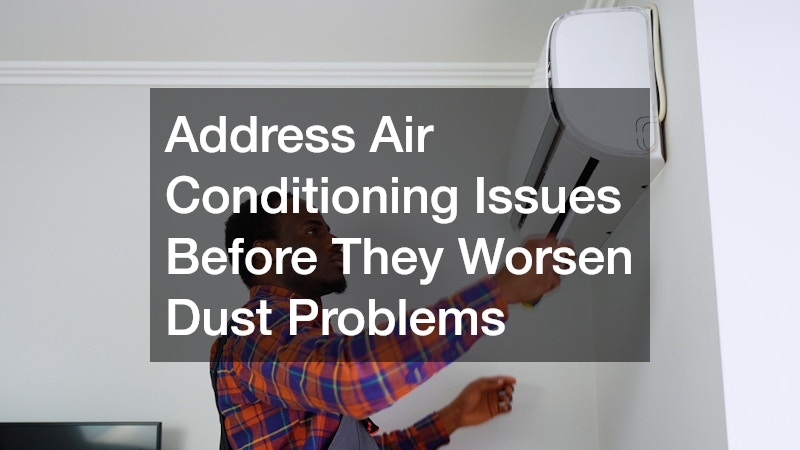
An air conditioning system that is struggling to keep up can inadvertently make dust problems worse, especially if it is cycling on and off more frequently than normal. Short cycling pushes more bursts of air through your ducts, stirring up settled particles more often than a properly functioning system would. Refrigerant issues, failing fans, or dirty coils can all contribute to this pattern, and most homeowners have no way of diagnosing these issues on their own. Catching these problems early prevents both a dust cycle and a more expensive repair down the road.
Warning signs are often subtle at first, showing up as slightly higher energy bills or a system that feels less effective at keeping rooms comfortable. Ignoring these signals usually means the underlying issue continues to worsen, which in turn keeps recirculating dust throughout your home. Paying attention to how your system sounds, smells, and performs can help you catch small issues before they turn into bigger disruptions.
Know When to Call in Professional Help for Repairs
Not every dust issue can be solved with a vacuum and a new filter, and knowing when to call in outside expertise can save you time and frustration. Reliable heating contractors can inspect your furnace, blower motor, and connected ductwork to identify whether your equipment is contributing to excess dust in your home. Professional HVAC repairs address issues like worn belts, damaged seals, or blower motors that are pushing more debris through your system than they should. Waiting too long to address these issues often means dust problems continue despite your best cleaning efforts.
A qualified local air conditioning contractor can also evaluate your entire system holistically, checking everything from airflow balance to duct sealing. This kind of comprehensive inspection often reveals issues that are not obvious from the surface, such as small leaks in duct joints or a blower fan running at the wrong speed. Getting a second opinion from a trusted professional ensures you are not just treating symptoms but actually solving the root cause of recurring dust.

Choose the Right Partner for Long Term Air Quality Solutions
Finding a dependable HVAC company you can call on year after year makes a real difference in how manageable your dust situation becomes over time. A good provider will not just fix immediate issues but also help you plan a maintenance schedule that keeps your system running cleanly for years to come. Look for a company with transparent pricing, verified reviews, and technicians who take time to explain what they find during an inspection. Building this kind of relationship means small issues get caught early, before they turn into bigger dust and air quality problems.
- Ask for references or reviews from long term customers
- Confirm licensing and insurance before scheduling any work
- Request a written estimate before major repairs begin
- Ask whether they offer seasonal maintenance plans
- Choose a provider willing to explain findings in plain language
Breaking the dust cycle in your home is less about cleaning harder and more about understanding the systems that generate and circulate particles in the first place. From simple filter changes to professional duct inspections, each step you take chips away at the root causes rather than just the surface symptoms. Start with the easiest fixes, like checking your filters and monitoring humidity, then work your way toward professional evaluations if problems persist. Taking this layered approach gives you the best chance of finally keeping your home clean for more than a few days at a time. Take the first step today and see how small changes can impact your daily life.