A plumbing emergency can escalate quickly, turning a minor issue into extensive water damage if not handled properly. Burst pipes, overflowing fixtures, and sudden leaks often happen without warning and demand immediate action. While it is not always possible to prevent these situations, knowing how to respond can significantly reduce damage and stress. This guide outlines how to identify different types of plumbing emergencies, what steps to take right away, and when it is time to call a professional to restore safety and functionality in your home.
How Can I Identify the Type of Plumbing Emergency?
Plumbing emergencies come in several forms, each with distinct warning signs. Active leaks from pipes, fixtures, or appliances are among the most common and can range from slow drips to heavy water flow.
Severe clogs that cause sinks, toilets, or floor drains to back up are another frequent issue, particularly when wastewater begins to overflow. Burst pipes represent one of the most damaging emergencies, often releasing large volumes of water in a short period. Water heater failures, sewer line backups, and gas-related plumbing issues also qualify as emergencies due to their potential safety and health risks. Correctly identifying the issue helps determine the urgency of your response.
Certain symptoms indicate a more serious plumbing emergency that requires immediate attention. Sudden drops in water pressure, unexplained water pooling, or the sound of running water when fixtures are off can signal a hidden leak or pipe failure. Brown or foul-smelling water may indicate a sewer issue, while visible mold growth suggests prolonged moisture exposure. In colder climates, frost on exposed pipes or a complete loss of water flow can signal freezing, which increases the risk of pipe bursts. These warning signs should never be ignored, as delays can lead to structural damage and costly repairs.
Once a problem is identified, assess the potential risk to your home and personal safety. Consider whether the issue involves clean water or contaminated wastewater, and whether it poses electrical or structural hazards. Active flooding near electrical outlets or appliances increases the risk of shock, while sewage exposure presents health concerns. Determining the severity helps prioritize actions. A slow leak may allow time for temporary mitigation, while a burst pipe or sewer backup requires immediate intervention.
What Immediate Steps Should I Take?
The most critical first step in most plumbing emergencies is stopping the flow of water. Locate your main water shut-off valve, which is typically found near the water meter, in a basement, crawl space, or utility area. Turning this valve off prevents further water damage and buys time to address the issue. For localized problems, such as a leaking toilet or sink, shutting off the fixture’s supply valve may be sufficient. Knowing where these valves are located before an emergency occurs can save valuable time.
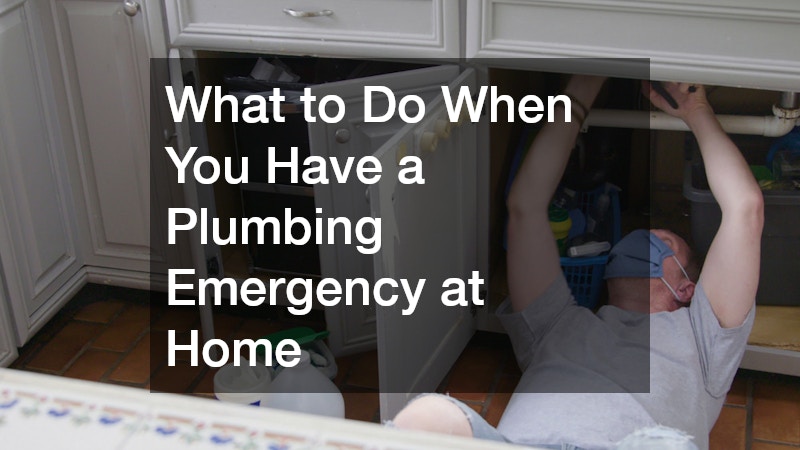
Temporary measures can help control damage until professional help arrives. For small leaks, placing a bucket under the affected area and using towels to absorb water can reduce spread. Pipe clamps or waterproof tape may help slow minor leaks in accessible areas. For clogs, avoid using chemical drain cleaners, as they can worsen the problem or damage pipes. Instead, stop using affected fixtures and focus on containment. These short-term solutions are not substitutes for proper repair but can minimize immediate impact.
Personal safety should always be a priority during a plumbing emergency. Avoid standing water near electrical sources and turn off electricity to affected areas if flooding is present. Wear protective gloves when dealing with wastewater or contaminated water. Do not attempt repairs that require specialized tools or expertise, particularly when gas lines or major pipe failures are involved. Unsafe DIY attempts can increase the risk of injury and further damage.
When Should I Call a Professional Plumber?
While minor issues may seem manageable, many plumbing emergencies require professional intervention. Burst pipes, recurring clogs, sewer backups, water heater failures, and hidden leaks are best handled by trained plumbers with the proper equipment. Attempting complex repairs without experience can lead to incomplete fixes and additional costs. If shutting off the water does not resolve the issue or if damage continues to spread, it is time to seek professional help immediately.
In an emergency, response time matters. Having contact information for a trusted local plumbing company readily available can make a significant difference. Look for providers that offer emergency services, have proper licensing and insurance, and maintain a strong reputation within the community. Clear communication is essential. Describe the issue accurately, note any steps you have already taken, and ask about estimated response times. Reliable professionals will prioritize urgent situations and provide clear next steps.
Emergency plumbing services often cost more than scheduled repairs due to urgency, after-hours labor, and the complexity of the work. Costs can vary based on the severity of the issue, required materials, and time involved. While pricing is an important consideration, delaying necessary repairs can result in far greater expenses from water damage or structural issues. Working with a reputable local plumbing company helps ensure transparent pricing and quality workmanship, reducing the likelihood of repeat emergencies.
Plumbing emergencies require fast, informed action to limit damage and protect your home. By recognizing the signs of serious plumbing problems, shutting off the water supply promptly, and taking basic safety precautions, homeowners can regain control in stressful situations. Knowing when to step back and call a professional is equally important. With preparation and the support of a trusted local plumbing company, plumbing emergencies can be managed efficiently, minimizing disruption and restoring peace of mind.