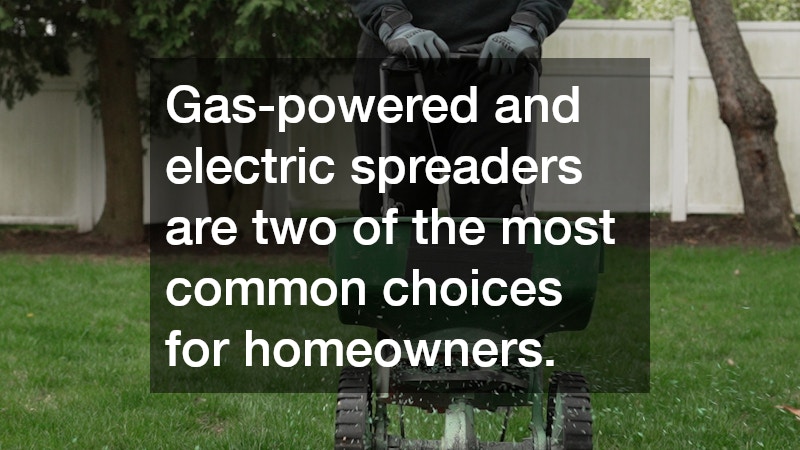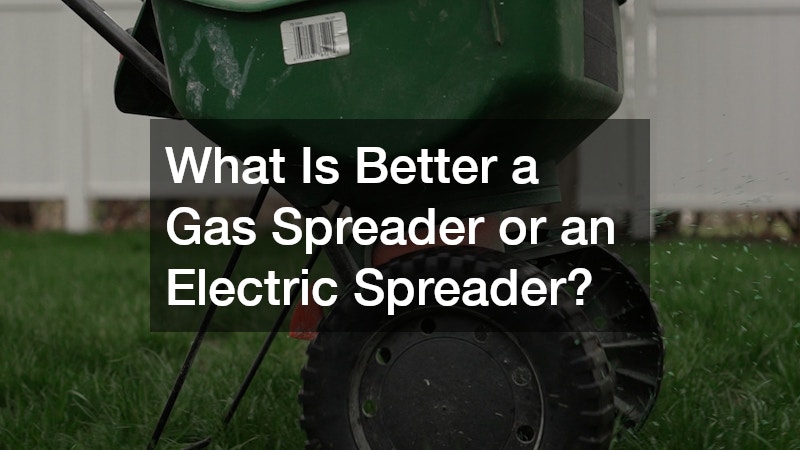
When it comes to spreading fertilizer, seed, or ice melt across your lawn or driveway, choosing the right spreader is crucial. Among the many options available, gas-powered and electric spreaders are two of the most common choices for homeowners. Both have distinct advantages and disadvantages, depending on your needs.
What is a Gas Spreader?
A gas spreader is a spreader powered by a gasoline engine, commonly used for larger residential lawns or snow removal tasks. The engine-driven design allows for the spreader to cover a larger area quickly, making it an ideal choice for those who need to tackle larger lawns, driveways, or properties.
Gas spreaders are known for their power and ability to handle tough tasks, from applying fertilizer to spreading ice melt in winter.
Pros of Using a Gas Spreader
1. Power and Performance
One of the primary advantages of a gas spreader is its power. Gas-powered engines are more powerful than electric motors, meaning they can handle larger areas with more speed and efficiency. If you have a large lawn, a gas spreader can cover more ground in less time. Gas spreaders are also great for heavier materials like salt or sand, which might not be effectively spread by an electric model.
2. Longer Operating Time
Gas-powered spreaders can run as long as you have fuel. Unlike electric spreaders, which need to be recharged, a gas spreader can operate for an extended period without interruption. If you’re working on a large property or need to complete a snow removal job in a single session, the ability to run continuously makes a gas spreader a great option. You won’t have to worry about battery life or downtime for charging.
3. Ideal for Large Areas
If your property is larger, such as a sprawling lawn or a lengthy driveway, the power and performance of a gas spreader are hard to beat. Gas spreaders are designed to handle the demands of covering large areas efficiently, making them a popular choice for homeowners with expansive outdoor spaces. If you’re looking to apply fertilizer or seed across a big yard, a gas spreader will get the job done faster and more effectively.
Cons of Using a Gas Spreader
1. Noise and Emissions
Gas-powered spreaders are louder than electric models due to the engine’s noise. If you’re working in a quiet neighborhood or during early morning hours, the noise from a gas spreader could be disruptive to your neighbors. Additionally, gas spreaders emit exhaust fumes, which can be a concern for those looking to minimize their environmental impact. If you’re sensitive to noise or concerned about air quality, an electric spreader might be a better option.
2. Higher Maintenance
Gas spreaders require more maintenance than electric models. Regular tasks like checking the oil, changing the spark plugs, and replacing filters are necessary to keep the engine running smoothly. For homeowners who aren’t familiar with engine upkeep, this can be an inconvenience. In contrast, electric spreaders have fewer moving parts and require less frequent maintenance, making them easier to care for in the long run.
Pros of Using an Electric Spreader
1. Quieter Operation
Electric spreaders operate much more quietly than gas-powered models. This can be a significant advantage if you live in a residential area where noise can be an issue. The quieter operation of electric spreaders makes them suitable for early morning or late evening tasks, as they won’t disturb your neighbors like a gas spreader would.
2. Easier to Handle
Electric spreaders are generally lighter and more compact than gas models. This makes them easier to handle, particularly for users who need to maneuver around obstacles or navigate tight spaces. If your yard has narrow pathways or garden beds that require precise spreading, an electric spreader will give you more flexibility and ease of use.
Cons of Using an Electric Spreader
1. Limited Operating Time
One downside of electric spreaders is their limited operating time. Once the battery runs out, you will need to recharge it, which can take several hours. This is a significant disadvantage if you have a large area to cover or need to complete a job in one go. Gas spreaders don’t have this issue, as long as you have fuel.
2. Less Power
Electric spreaders tend to be less powerful than gas-powered models. While they work well for light to moderate tasks, such as spreading fertilizer on a small lawn, they may struggle with larger jobs or heavier materials like ice melt or sand. If you live in an area with heavy snowfall or need to distribute large quantities of material, a gas spreader may be the better choice.
If you have a large property, need to cover a lot of ground, or plan to tackle heavy-duty snow removal, a gas spreader will offer the power and performance you need. On the other hand, if you’re looking for a quieter, low-maintenance option for smaller jobs, an electric spreader may be more suitable for your needs.