
Your home is designed to protect you, your family, and everything inside—but it doesn’t stay in perfect condition on its own. Over time, even well-built homes begin to show signs of wear, damage, and hidden issues. The problem is that many of these warning signs start small and easy to ignore. A faint odor, a tiny crack, or a slight drop in water pressure might not seem urgent at first—but they often signal much larger problems developing behind the scenes.
Ignoring these early indicators can lead to costly repairs, structural damage, and even safety hazards. What could have been a simple fix may turn into a major renovation if left unaddressed. That’s why it’s so important to recognize when your home is telling you something is wrong—and to act quickly.
In this guide, we’ll break down the most common signs your home needs immediate professional attention. You’ll learn what to look for, why it matters, and what steps you can take to protect your property before small issues turn into major headaches.
Persistent Musty Odors and Visible Mold Growth
A persistent musty smell is one of the clearest indicators that something is wrong inside your home—even if everything looks fine on the surface. These odors are often caused by mold or mildew, which thrive in damp, poorly ventilated areas. What makes mold particularly concerning is that it often grows in hidden spaces, such as behind drywall, under flooring, or inside HVAC systems.
Over time, mold can spread quickly and affect both your home’s structure and your health. Exposure may lead to respiratory irritation, allergy symptoms, and worsening asthma conditions, especially for sensitive individuals.
Warning Signs to Watch For:
- A damp, earthy smell that doesn’t go away
- Visible spots or patches on walls, ceilings, or grout
- Peeling paint or bubbling drywall
- Increased humidity or condensation indoors
Mold growth is almost always tied to a moisture issue. Without addressing the source, the problem will continue to return—even after cleaning.
Where to Check for Hidden Moisture Problems
Start by focusing on areas where water is most likely to accumulate:
- Under sinks, especially around pipe connections
- Behind appliances like washing machines and refrigerators
- In basements and crawl spaces with limited airflow
- Around windows where condensation forms
If the issue persists or spreads, it’s time to involve mold remediation services. These professionals use specialized equipment to remove contamination safely and prevent it from spreading to other areas of your home.
At the same time, leak detection services play a crucial role in identifying the root cause. Whether it’s a slow pipe leak or hidden water intrusion, finding and fixing the source ensures the problem doesn’t return.
Cracked, Curling, or Missing Shingles on Your Roof
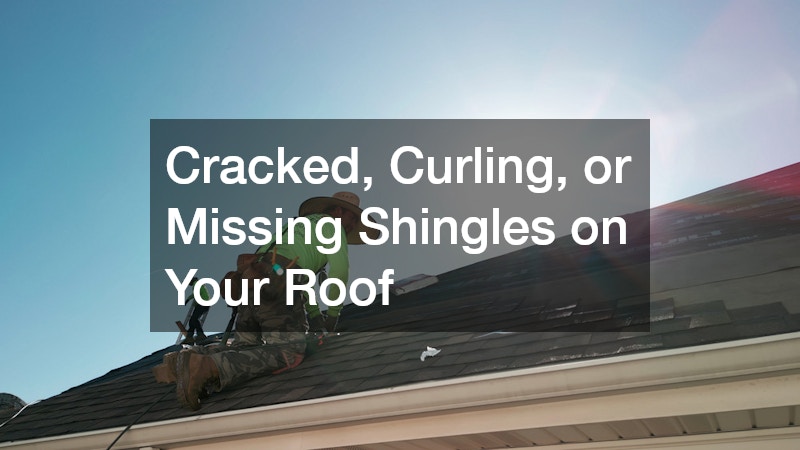
Your roof takes constant abuse from the elements—sun, wind, rain, snow, and temperature fluctuations all contribute to gradual wear and tear. Over time, even durable roofing materials begin to break down, and the signs are often visible long before a major leak develops.
Damaged shingles are one of the earliest indicators that your roof may be nearing the end of its lifespan. When shingles curl, crack, or go missing, they leave your home exposed to moisture and structural damage.
Signs of Roof Trouble:
- Shingles that are curled, cracked, or brittle
- Bare spots where granules have worn away
- Dark streaks caused by algae or moisture retention
- Debris or shingle fragments in your gutters
Even minor damage can allow water to seep beneath the surface, where it can rot wood decking, weaken supports, and compromise insulation.
How to Safely Inspect Your Roof from the Ground
You don’t need to climb onto your roof to spot potential issues:
- Walk around your home and scan the roofline from different angles
- Use binoculars to get a closer look at shingles and flashing
- Check for uneven lines that may indicate sagging
If damage appears widespread or recurring, it may be time to consider a roof replacement rather than repeated repairs. Professional roofing services can provide a thorough inspection, identify weak points, and recommend the most cost-effective solution.
Water Stains on Ceilings or Walls
Water stains are one of the most obvious signs that your home is experiencing a leak—but they’re also one of the most misunderstood. Many homeowners treat stains as a cosmetic issue, repainting the area without addressing the underlying cause. Unfortunately, this only allows the problem to worsen over time.
Water can travel along beams, pipes, and insulation before becoming visible, meaning the stain you see may not be directly below the source.
What Different Stains May Indicate:
- Yellow or brown rings: long-term, slow leaks
- Dark or expanding patches: active water intrusion
- Peeling or bubbling paint: trapped moisture
Left unchecked, water damage can weaken structural materials, promote mold growth, and damage electrical systems.
How to Trace the Source of a Leak
Finding the origin of a leak requires a bit of investigation:
- Outline the stain with a pencil to monitor changes
- Inspect the attic above the affected area
- Look for damp insulation or water trails along beams
- Check nearby plumbing fixtures for leaks
Leak detection services use advanced tools such as thermal imaging and moisture meters to pinpoint the exact source without unnecessary demolition. If the issue is related to roof damage, roofing services may be needed to repair compromised areas and prevent further water intrusion.
Sagging or Uneven Floors and Structural Shifts

Structural issues are among the most serious problems a homeowner can face. Sagging or uneven floors often indicate deeper concerns involving your foundation, support beams, or moisture damage.
These issues don’t just affect comfort—they can compromise the safety and stability of your entire home.
Common Indicators:
- Floors that slope or feel soft underfoot
- Cracks forming in walls or ceilings
- Doors and windows that stick or won’t close properly
- Visible gaps between walls and flooring
Outdoor structures like decks can also show signs of structural failure. Weak supports, shifting posts, or rotting wood can create dangerous conditions.
Simple Ways to Spot Structural Movement Early
- Walk through your home and pay attention to changes in floor level
- Place a ball on the floor to see if it rolls unexpectedly
- Inspect basement beams and supports for cracks or moisture damage
A professional deck builder can assess outdoor structures for safety and recommend repairs or replacement if necessary. For interior concerns, home remodeling services can address structural issues, reinforce supports, and restore your home’s integrity.
Peeling Paint, Warped Siding, or Exterior Damage
Your home’s exterior acts as a protective barrier against the elements. When it begins to deteriorate, it’s often a sign that moisture or environmental damage is taking its toll.
Warning Signs:
- Paint that peels, cracks, or bubbles
- Siding that appears warped, soft, or discolored
- Gaps or holes that expose underlying materials
- Cracks in driveways or walkways
These issues can allow water to penetrate your home’s structure, leading to rot, mold, and insulation damage.
What a Walkaround Inspection Can Reveal
Taking a few minutes to inspect your home’s exterior can uncover hidden problems:
- Look for uneven or damaged siding panels
- Check around windows and doors for gaps
- Identify areas where water pools near the foundation
An asphalt pavement company can repair cracks and improve drainage around your property, reducing the risk of water intrusion. Meanwhile, home remodeling services can replace damaged materials and upgrade your exterior for better protection and longevity.
Overflowing Gutters and Poor Drainage Around the Home
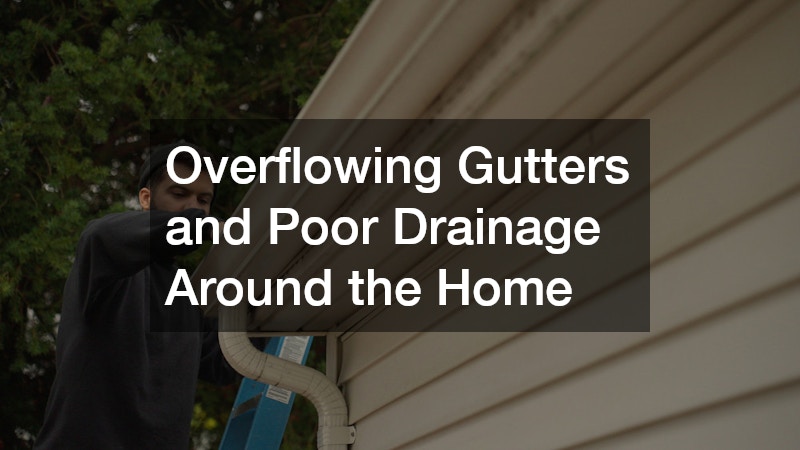
Gutters are one of the most overlooked components of a home’s drainage system, yet they play a critical role in preventing water damage. When gutters become clogged or damaged, water can overflow and collect around your foundation.
Signs of Drainage Problems:
- Water spilling over the sides of gutters during rain
- Sagging or detached gutter sections
- Soil erosion near your home
- Standing water that doesn’t drain properly
Over time, poor drainage can lead to foundation cracks, basement flooding, and landscape damage.
How to Keep Water Flowing Away from Your Foundation
- Clean gutters regularly to remove leaves and debris
- Ensure downspouts extend several feet away from your home
- Check for proper slope to allow water flow
Professional gutter services can ensure your system is functioning correctly and capable of handling heavy rainfall. In some cases, an asphalt pavement company may be needed to regrade surfaces and improve water runoff patterns.
Sudden Drop in Water Pressure or Unexplained Moisture
Plumbing issues often go unnoticed until they begin to affect daily routines. A sudden drop in water pressure or unexplained moisture can indicate a hidden leak that needs immediate attention.
Red Flags:
- Weak or inconsistent water flow
- Damp spots appearing on floors or walls
- Mold or mildew in bathrooms
- Unexpected increases in water bills
Hidden leaks can cause extensive damage over time, including wood rot, mold growth, and structural weakening.
What Your Plumbing System Might Be Telling You
- Listen for running water when all fixtures are turned off
- Check cabinets and vanities for moisture
- Pay attention to changes in water usage patterns
Leak detection services can identify the source quickly and minimize damage. If the issue has already affected your bathroom, a bathroom remodeling service may be necessary to repair and restore the space.
Rusty Water, Strange Noises, or Inconsistent Hot Water
Your water heater is essential for comfort, but it’s often overlooked until it fails. When problems arise, they can escalate quickly if not addressed.
Warning Signs:
- Rust-colored or discolored water
- Popping or rumbling noises from the tank
- Inconsistent water temperature
- Leaks or pooling water around the unit
These signs often indicate sediment buildup, corrosion, or internal damage.
Warning Signs Your Water Heater Is Failing
- Inspect the tank for rust or corrosion
- Test hot water consistency across fixtures
- Listen for unusual sounds during operation
When repairs are no longer effective, water heater installation becomes necessary to ensure reliable performance. Home remodeling services can also help upgrade outdated systems and improve energy efficiency.
Loose Railings, Rotting Wood, or Unsafe Outdoor Spaces
Outdoor living spaces should be safe and enjoyable, but they can quickly become hazardous if not properly maintained.
Signs of Trouble:
- Railings that wobble or feel loose
- Wood that is soft, splintering, or discolored
- Loose nails, screws, or fasteners
- Visible signs of insect damage
Water exposure is a leading cause of deck deterioration, especially when drainage systems aren’t functioning properly.
How to Check If Your Deck Is Still Safe
- Apply pressure to railings to test stability
- Walk across the surface to identify weak spots
- Inspect support posts and connections
A deck builder can evaluate structural integrity and recommend repairs or replacement. Proper gutter services can also help redirect water away from your deck, extending its lifespan.
Increasing Energy Bills and Poor Home Efficiency
If your energy bills are climbing without explanation, your home may be losing efficiency due to hidden issues. What many homeowners don’t realize is that even small inefficiencies—like tiny air leaks or slightly degraded insulation—can add up quickly over time, forcing your HVAC system to run longer and more often than necessary.
Common Causes:
- Insufficient insulation
- Air leaks around windows and doors
- Aging roofing materials
- Poor ventilation
These problems force your heating and cooling systems to work harder, increasing costs and reducing comfort. You may also notice that certain rooms feel significantly warmer or cooler than others, even when your thermostat is set consistently.
Beyond comfort, poor energy efficiency can also put unnecessary strain on your HVAC system, shortening its lifespan and leading to more frequent repairs. In extreme cases, it can even contribute to moisture buildup in poorly ventilated areas, creating additional problems like mold or wood rot.
How to Identify Hidden Energy Loss in Your Home
- Check for drafts near windows and doors
- Inspect attic insulation levels
- Monitor temperature differences between rooms
- Look for unusually high utility bills compared to previous seasons
- Feel for air escaping around outlets, baseboards, and attic access points
Sealing gaps with weatherstripping or caulk can make an immediate difference, while upgrading insulation provides long-term savings. Professional roofing services can identify areas where your home is losing energy, particularly through the attic and roofline. In more severe cases, a roof replacement can improve insulation, ventilation, and overall efficiency—helping you lower energy costs while creating a more comfortable living environment year-round.
Your home constantly provides clues about its condition—it’s just a matter of knowing how to recognize them. From subtle odors to visible structural changes, these warning signs are your opportunity to take action before problems become severe.
By staying proactive and addressing issues early, you can avoid costly repairs, maintain your home’s value, and ensure a safe living environment. When in doubt, bringing in a professional is always the smartest move—because protecting your home starts with paying attention to what it’s telling you.