
Weather changes throughout the year place constant stress on a home’s structure, systems, and outdoor environment. Shifts in temperature, humidity, rainfall, and wind can gradually weaken materials, strain mechanical systems, and create conditions where damage builds up silently over time. Most major home repairs do not happen suddenly—they are the result of small issues that were never addressed during seasonal transitions.
Preparing a house properly means thinking beyond basic cleaning or quick fixes. It requires a structured approach that considers water management, air quality, pest prevention, system efficiency, and outdoor safety. When homeowners take the time to prepare before weather shifts occur, they reduce repair costs, improve comfort, and extend the lifespan of essential home systems.
This guide breaks down each major area of the home and provides practical, actionable steps to help you stay ahead of seasonal challenges.
Outdoor Water Features and Seasonal Protection
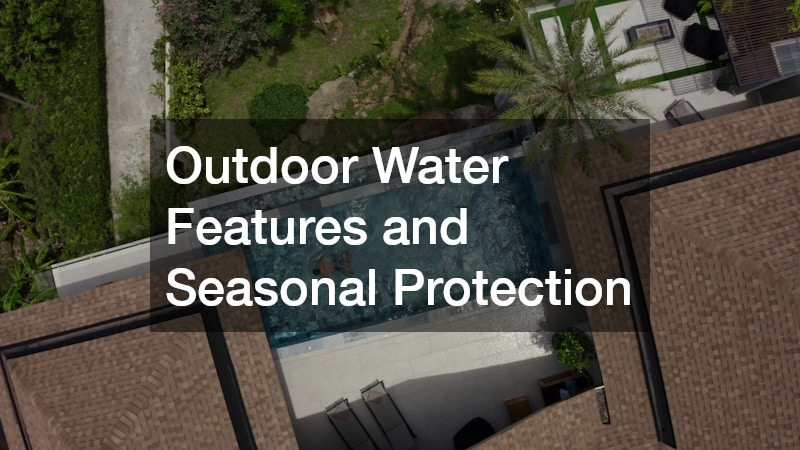
Outdoor water features and seasonal protection require more attention than many homeowners initially realize, especially because these systems are exposed to constant environmental change. Temperature swings, rainfall, wind, and debris all interact with water-based installations in ways that can quickly lead to deterioration if not properly managed. Even small oversights can escalate into structural or mechanical issues over time.
An in ground pool requires special attention before weather transitions. Without preparation, shifting temperatures and debris can cause water imbalance, structural strain, and algae growth. In colder climates, freeze-thaw cycles can also weaken surrounding materials, while in warmer transitions, stagnant water can become a breeding ground for bacteria if chemical levels are not properly maintained. Equipment such as pumps, filters, and plumbing lines also need to be inspected to ensure they are not clogged or under excessive strain.
Key maintenance steps include:
- Adjusting chemical levels before seasonal temperature drops or increases
- Cleaning filters and skimmers thoroughly
- Covering the pool to prevent debris accumulation
- Checking for cracks or tile movement caused by freeze-thaw cycles
Additional considerations:
- Inspect surrounding decking for slipping hazards after rain or irrigation runoff
- Ensure drainage systems around the pool are directing water away properly to prevent pooling or erosion
- Remove leaves and organic matter to prevent contamination and staining
- Check pool pumps and circulation systems for unusual noise or reduced efficiency
- Inspect lighting and electrical components for moisture exposure or corrosion risks
Taking these steps early helps maintain both safety and performance while significantly reducing long-term repair costs. Consistent seasonal attention also extends the lifespan of equipment and preserves water quality, making the entire outdoor environment more reliable and enjoyable throughout the year.
Moisture Control and Indoor Air Quality Protection
Moisture control and indoor air quality protection become especially important during seasonal transitions because temperature shifts often create condensation in unexpected areas of the home. Warm outdoor air meeting cooler indoor surfaces can produce moisture buildup inside walls, ceilings, and enclosed spaces, even when no visible leak is present. Over time, this trapped moisture can weaken building materials, damage insulation, and contribute to persistent air quality issues that affect comfort and health.
Scheduling mold inspection services before seasonal changes can help identify issues that are not visible to the naked eye. Mold often grows in areas with poor airflow or past water intrusion, especially during periods of heavy rain or humidity. Professionals can use moisture detection tools to locate hidden problem areas behind drywall, under flooring, or inside HVAC ducts where early growth might otherwise go unnoticed. Addressing these issues early prevents them from spreading and becoming significantly more expensive to remediate.
Important prevention strategies include:
- Checking basements, attics, and crawl spaces for damp spots
- Inspecting around windows and doors for condensation buildup
- Ensuring bathroom and kitchen ventilation fans are functioning properly
- Addressing leaks immediately, even small ones
Homeowners should also:
- Monitor musty odors as an early warning sign of hidden moisture problems
- Keep humidity levels between 30–50% indoors using humidifiers or HVAC controls
- Use dehumidifiers in high-risk areas during humid months such as basements and laundry rooms
- Improve airflow by rearranging furniture that may block vents or circulation paths
- Clean or replace HVAC filters regularly to prevent moisture-trapping dust buildup
Consistent moisture management not only prevents structural damage but also improves respiratory comfort, reduces allergen exposure, and helps maintain a more stable indoor environment throughout changing weather conditions.
Water Quality and Plumbing System Readiness

Water quality and plumbing system readiness are often overlooked during seasonal home preparation, yet they play a critical role in overall household performance and long-term infrastructure health. As temperatures fluctuate, pipes expand and contract, which can gradually weaken joints and increase the risk of leaks or blockages. In colder months, even minor exposure to freezing conditions can create pressure buildup inside pipes, while warmer months can increase water usage demands that strain older plumbing systems.
Installing or maintaining water softener systems can help prevent mineral buildup that often worsens during seasonal transitions. Hard water can gradually damage appliances, clog pipes, and reduce water pressure. Over time, this buildup can shorten the lifespan of water heaters, dishwashers, and washing machines, making routine maintenance an important part of seasonal preparation.
Key preparation steps include:
- Testing water hardness levels before peak seasonal changes
- Cleaning system components to remove sediment buildup
- Checking salt levels or regeneration cycles
- Inspecting connected appliances like dishwashers and washing machines
Additional best practices:
- Insulate exposed pipes in colder climates, especially in basements, crawl spaces, and exterior walls
- Flush plumbing systems before seasonal usage spikes to remove stagnant water and sediment
- Schedule professional inspections if pressure inconsistencies appear or if slow drainage becomes noticeable
- Check water heaters for sediment accumulation and ensure temperature settings are appropriate for seasonal efficiency
- Inspect outdoor spigots and irrigation lines for leaks or cracks after freezing temperatures
Homeowners should also pay attention to subtle warning signs such as discolored water, unusual odors, or fluctuating pressure, as these can indicate underlying system stress. Maintaining water quality systems ensures smoother transitions between seasons, protects plumbing infrastructure from avoidable damage, and helps maintain consistent household comfort and efficiency throughout the year.
Seasonal Pest and Insect Prevention Strategies
Seasonal pest and insect prevention strategies are most effective when treated as an ongoing part of home maintenance rather than a reaction to an infestation. As temperatures drop or rise quickly, pests naturally migrate toward stable environments with reliable food, water, and shelter. Homes provide all three, especially when small structural vulnerabilities go unnoticed over time. Entry points as small as cracks in siding, gaps around utility lines, or poorly sealed vents can become access routes for a wide range of pests.
Working with a pest exterminator can help identify and eliminate entry points before pests become a larger problem. Professional inspections often reveal hidden nests or structural gaps that homeowners might miss. In many cases, technicians also identify conditions that attract pests in the first place, such as excess moisture, improperly stored food, or yard debris that provides nesting material.
Preventative measures include:
- Sealing cracks in foundations, windows, and doors using weather-resistant caulking or foam sealant
- Storing food in airtight containers and avoiding leaving pet food exposed overnight
- Keeping trash bins sealed and positioned away from exterior walls and entry points
- Reducing clutter in basements, garages, and storage areas where pests can hide undisturbed
- Regularly inspecting attic spaces and crawl spaces for early signs of nesting activity
During warmer months, mosquito control becomes especially important. Standing water and humid environments create ideal breeding conditions. Even small amounts of stagnant water can support mosquito reproduction within days, making consistent monitoring essential.
Effective mosquito prevention includes:
- Eliminating standing water in gutters, buckets, plant saucers, and yard containers
- Maintaining trimmed grass and well-ventilated landscaping to reduce shaded resting areas
- Installing screens on windows and doors to prevent indoor entry
- Using outdoor fans to disrupt insect flight patterns during evening outdoor activities
- Treating problem areas in yards where water tends to collect after rain
Homeowners should also consider seasonal changes in pest behavior, as rodents and insects often respond differently depending on temperature and food availability. Consistent pest and insect management not only protects the home structure but also improves overall comfort, hygiene, and peace of mind throughout the year.
Rodent Prevention and Home Security Measures

HVAC System Preparation for Seasonal Efficiency
Heating and cooling systems work hardest during seasonal transitions, making preventative maintenance essential for performance and energy efficiency. Neglecting HVAC care can lead to uneven temperatures and higher utility bills.
Scheduling routine ac service helps ensure systems are clean, calibrated, and ready for increased demand. Regular maintenance improves airflow and reduces strain on mechanical components.
Key maintenance steps include:
- Replacing or cleaning air filters
- Inspecting ductwork for leaks or blockages
- Checking thermostat calibration
- Clearing debris around outdoor units
Homeowners should also:
- Test system performance before extreme weather arrives
- Listen for unusual noises during operation
- Monitor airflow consistency in different rooms
Proper HVAC preparation improves comfort while reducing the likelihood of unexpected breakdowns.
Cooling System Repairs and Upgrades
When seasonal temperatures rise, cooling systems are often pushed to their limits. Identifying issues early can help homeowners avoid system failure during peak demand.
A timely ac repair service can address problems such as refrigerant leaks, weak airflow, or compressor issues before they worsen. In some cases, repair may not be the most cost-effective solution.
Considerations for system replacement include:
- Age of the current unit
- Frequency of recent repairs
- Rising energy costs due to inefficiency
When replacement is needed, planning an ac install in advance allows homeowners to choose energy-efficient systems and schedule installation before peak season demand increases.
Additional tips:
- Compare energy ratings before purchasing a new unit
- Ensure proper sizing for your home’s square footage
- Work with licensed professionals for installation accuracy
Upgrading or repairing cooling systems at the right time ensures reliable performance when it is needed most.
Outdoor Safety and Landscape Management
Trees and large outdoor vegetation can become hazards during storms, heavy winds, or snow accumulation. Proper seasonal maintenance reduces the risk of property damage and improves overall yard safety.
When necessary, tree removal may be required to eliminate unstable or diseased trees that pose a threat to structures, power lines, or walkways.
Key evaluation steps include:
- Checking for leaning trunks or exposed roots
- Identifying dead or brittle branches
- Assessing proximity to buildings and utility lines
- Monitoring trees after severe weather events
Additional maintenance practices:
- Trim overgrown branches before storm season
- Remove fallen limbs promptly
- Maintain clear visibility around driveways and walkways
Proactive landscape management helps protect both property and personal safety during changing weather conditions.
Preparing a home for changing weather conditions requires attention to both visible and hidden systems. From outdoor structures and water management to indoor air quality and mechanical systems, every part of the home plays a role in overall safety and efficiency.
When homeowners take a proactive approach, they reduce the risk of unexpected repairs, improve comfort throughout the year, and protect the long-term value of their property. Consistent seasonal maintenance is not just about preventing problems—it is about creating a more resilient and reliable home environment in every season.