Outdoor spaces have become an extension of how people live, relax, and gather. A yard is no longer viewed only as a visual feature but as an area that supports daily routines, seasonal activities, and long-term enjoyment. Homeowners increasingly want landscapes that accommodate entertaining, quiet downtime, play, and functional circulation without feeling cluttered or impractical. Achieving this balance requires thoughtful planning, materials that support durability, and design decisions that align with how the space is actually used.
Well-planned landscaping upgrades focus on improving access, comfort, and adaptability. That might mean replacing uneven ground with stable surfaces, managing elevation changes, improving drainage, or creating designated zones for specific activities. When upgrades are approached with usability in mind, outdoor areas become easier to navigate, safer for all ages, and more inviting throughout the year. These changes also tend to reduce maintenance challenges, prevent erosion, and extend the life of surrounding features.
The following sections explore practical ways landscaping upgrades can transform outdoor spaces into areas that support real, everyday use. Each approach addresses a different aspect of functionality, from movement and structure to comfort and long-term flexibility, helping property owners make decisions that enhance how their outdoor environments are experienced.
Creating Stable Walkways and Gathering Areas
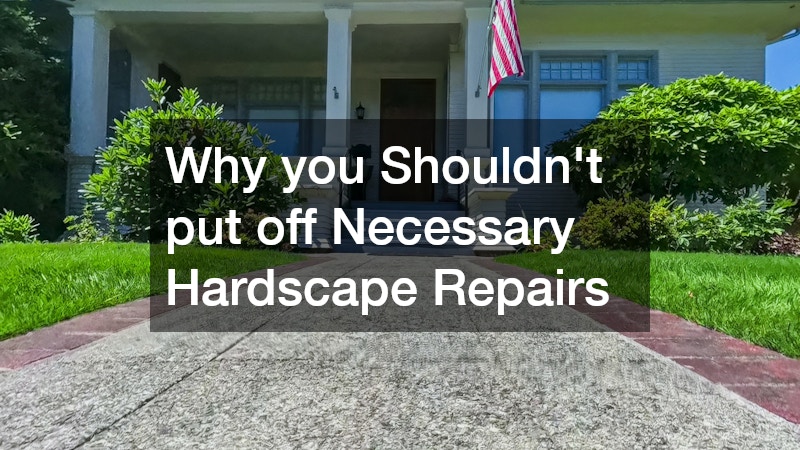
One of the most effective ways to improve outdoor usability is by introducing defined, stable surfaces that guide movement and support everyday activities. Yards without clear pathways often become muddy, worn down, or difficult to navigate after rain or snow. Adding walkways, patios, or sitting areas helps control foot traffic while making the space more approachable and organized.
Professionally designed surfaces installed by brick paver installers can dramatically change how an outdoor area functions. Pavers provide a firm, level base for walking, dining, or gathering while allowing flexibility in layout and design. Their modular nature also makes them easier to repair or expand over time compared to poured surfaces. When pathways connect entrances, gardens, and seating zones, movement feels intentional rather than disruptive.
These types of landscaping upgrades improve safety by reducing slips and trips, especially in high-traffic areas. They also help protect surrounding lawns and planting beds from compaction and damage. Over time, clearly defined walkways encourage consistent use patterns, keeping the yard cleaner and easier to maintain. By establishing where people should walk, sit, and gather, outdoor spaces become more intuitive and comfortable for both residents and guests.
Expanding Outdoor Living With Elevated Structures
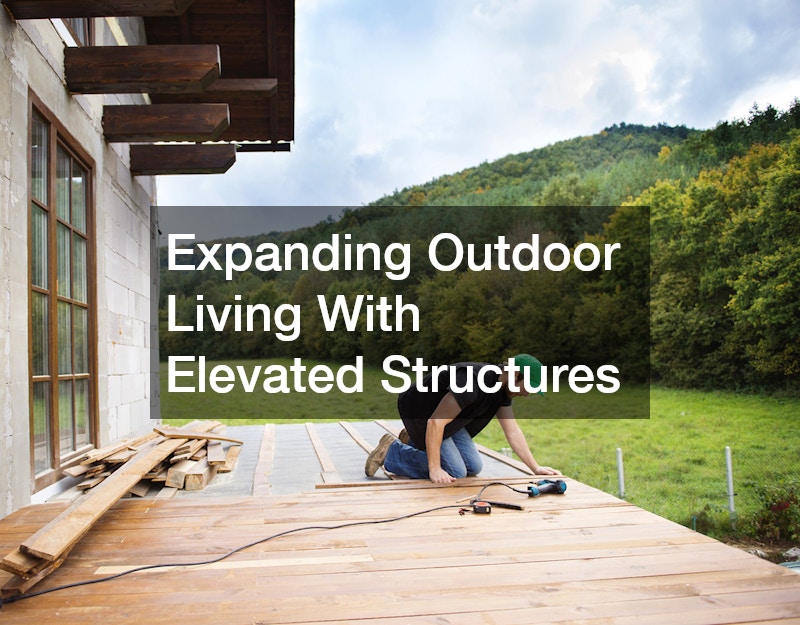
Outdoor usability increases significantly when spaces are designed to support extended stays rather than short visits. Elevated structures such as decks help bridge the gap between indoor and outdoor living by providing a comfortable, accessible platform for everyday use. They create a transition zone that feels intentional and inviting.
Working with experienced deck builders allows homeowners to tailor these structures to their lifestyle needs. A well-designed deck can support dining, lounging, grilling, or even remote work, all while staying level and accessible. Elevation also helps address sloped yards, moisture issues, or uneven ground that might otherwise limit usability.
From a functional standpoint, decks offer consistent footing and clear boundaries for activity zones. They reduce wear on surrounding landscaping and help manage traffic flow during gatherings. When integrated thoughtfully, decks can be positioned to capture sunlight, shade, or views, increasing how often the space is used. As part of broader landscaping upgrades, elevated structures create opportunities for daily enjoyment rather than occasional use.
Preparing the Ground for Long-Term Functionality
Before visible improvements can be added, many outdoor spaces require foundational work that supports long-term usability. Poor drainage, uneven grading, or compacted soil can undermine even the best surface-level features. Addressing these issues early ensures that improvements last and perform as intended.
This type of preparation is often handled by excavating contractors, who reshape the land to support proper drainage, stable foundations, and safe elevation changes. Grading a yard correctly helps prevent pooling water, erosion, and frost-related damage, all of which can make outdoor spaces difficult to use. Excavation also allows for the installation of utilities, footings, and structural supports beneath patios, walkways, and walls.
Though less visible, these landscaping upgrades are essential for usability. A properly prepared base keeps surfaces level, prevents shifting, and reduces maintenance over time. When the ground supports the design, outdoor features feel solid and dependable, encouraging regular use without concern for ongoing issues.
Adding Multi-Purpose Structures for Storage and Use
Usable outdoor spaces often benefit from structures that serve both functional and organizational roles. Storage buildings, shelters, or workspaces can reduce clutter while expanding how the yard is used. When these structures are designed with flexibility in mind, they support a wide range of activities.
A barn builder can create structures that function as storage, workshops, hobby spaces, or seasonal shelters. These additions keep equipment, tools, and outdoor furnishings protected and accessible, freeing up open areas for relaxation and movement. When items have a dedicated place, outdoor spaces feel more organized and less overwhelming.
In terms of landscaping upgrades, multi-purpose structures increase efficiency. They reduce the need to constantly move items in and out of the house and make it easier to maintain the yard throughout the year. By supporting both work and leisure, these structures help outdoor spaces adapt to changing needs without sacrificing usability.
Improving Durability With Quality Materials
Material selection plays a critical role in how usable an outdoor space remains over time. Surfaces and features that degrade quickly can become hazards or ongoing maintenance burdens, discouraging regular use and limiting how people interact with the space. Cracking, shifting, or erosion not only affect appearance but also create uneven footing that reduces comfort and safety. Choosing durable materials helps ensure that improvements remain functional through weather changes, seasonal temperature swings, and consistent foot traffic.
Sourcing materials from reliable stone suppliers allows homeowners to incorporate natural stone into walkways, patios, seating areas, and borders where long-term performance matters most. Stone offers exceptional strength, natural traction, and visual consistency that does not fade or deteriorate easily. Its resistance to moisture absorption and temperature fluctuations makes it especially well suited for high-use outdoor areas that must perform year-round without constant repairs or replacement.
These landscaping upgrades reduce long-term repair needs and minimize disruption caused by frequent maintenance. Durable materials also contribute to a more predictable outdoor experience, where surfaces remain level and secure over time. When outdoor features hold up under daily use and changing conditions, homeowners are more likely to rely on those spaces for regular activities rather than reserving them for occasional use. High-quality materials ultimately support both functionality and longevity, making outdoor areas easier to enjoy with confidence.
Enhancing Access and Circulation Throughout the Yard
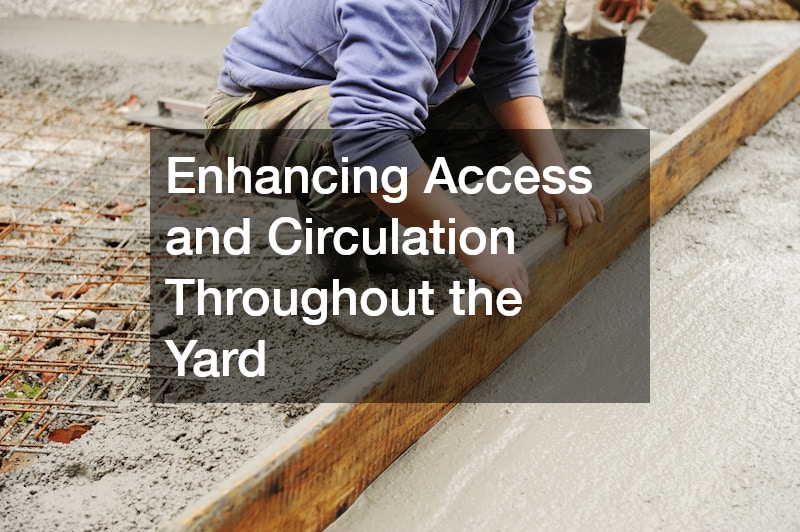
Outdoor spaces feel more usable when movement between areas is seamless and intuitive. Poor circulation can make yards feel cramped, disconnected, or difficult to navigate, limiting how different areas are accessed and enjoyed. When people must walk through grass, uneven terrain, or awkward transitions to reach seating areas or functional zones, those spaces are used less often. Improving access helps unify the landscape into a cohesive, functional environment where movement feels natural rather than forced.
Professional paving services can create driveways, walkways, and transitions that support smooth movement throughout the property. Thoughtfully designed paved surfaces guide foot traffic, define clear routes, and reduce wear on lawns and garden beds. These pathways accommodate vehicles, strollers, and everyday foot traffic while also improving accessibility for guests of all ages. In addition, properly installed paving helps manage drainage by directing water away from high-use areas, reducing mud, erosion, and surface damage during wet conditions.
As part of broader landscaping upgrades, improved circulation encourages exploration and consistent use of the entire yard. When paths are clearly defined and easy to follow, people are more likely to move between activity zones instead of staying confined to one area. Clear access points also improve safety and convenience during gatherings, seasonal transitions, and routine maintenance. Over time, a well-connected layout makes outdoor spaces feel larger, more organized, and far more comfortable to use on a daily basis.
Managing Vegetation for Safety and Comfort
Vegetation plays a major role in how usable an outdoor space feels. Overgrown trees and shrubs can block sunlight, restrict movement, and create safety concerns that discourage people from spending time outside. Dense growth may also trap moisture, limit airflow, and contribute to uneven ground conditions, all of which reduce comfort and accessibility. Strategic vegetation management helps maintain a balance between preserving natural beauty and ensuring the space functions well for everyday use.
Partnering with a local tree service allows property owners to prune, thin, or reposition trees to improve light, airflow, and visibility throughout the yard. Proper tree care reduces the risk of falling limbs while also preventing roots from interfering with walkways, patios, or underground utilities. Thoughtful trimming can open shaded areas just enough to make seating zones more comfortable without removing the cooling benefits trees provide during warmer months.
These landscaping upgrades improve usability by opening sightlines, improving safety, and making outdoor areas feel more welcoming. Well-managed vegetation also simplifies maintenance, reduces debris buildup, and supports healthier plant growth. When trees and shrubs are maintained with intention, outdoor spaces feel calmer, more comfortable, and easier to enjoy for longer periods throughout the year.
Supporting Structural Features That Define the Space
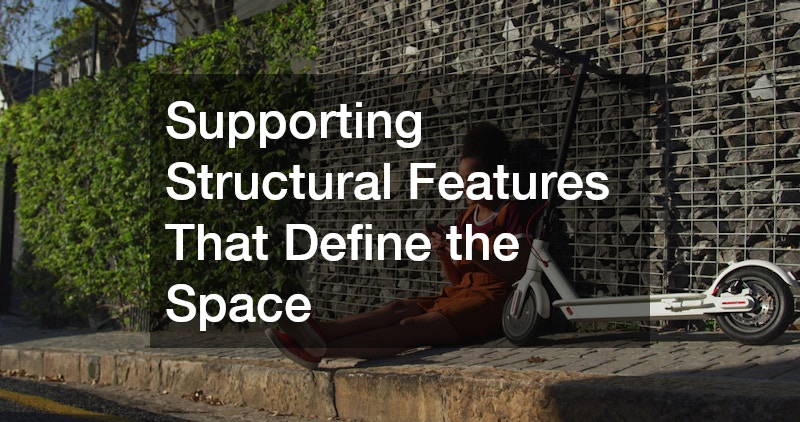
Outdoor usability often depends on features that control elevation, prevent erosion, and create clear boundaries throughout the landscape. Without these structural elements, sloped or uneven terrain can restrict how areas are accessed, furnished, or safely enjoyed. Steep grades may limit seating options, reduce usable square footage, or create drainage problems that lead to muddy conditions and surface damage. Structural solutions help stabilize the land while turning previously underutilized areas into purposeful zones that feel intentional and accessible.
A skilled retaining wall contractor can design walls that support soil, create terraces, and establish level areas suited for everyday use. Retaining walls allow homeowners to carve functional spaces out of challenging topography, making room for patios, seating areas, garden beds, or walkways that would otherwise be impractical. In addition to shaping the landscape, these walls help manage water flow by directing runoff away from living areas and preventing erosion that can undermine nearby features.
These landscaping upgrades transform difficult terrain into stable, usable environments that feel safe and well-organized. By reinforcing slopes and defining transitions between different elevations, retaining walls improve both accessibility and visual clarity. Over time, they also protect surrounding features from soil movement and wear, contributing to long-term durability. When land is properly supported and clearly defined, outdoor spaces become easier to navigate, more comfortable to use, and better equipped to adapt to future changes in layout or function.
Balancing Safety, Maintenance, and Flexibility
Usable outdoor spaces must balance safety, ease of care, and adaptability to remain functional over time. Features that look appealing at first but require constant upkeep or introduce safety concerns can quickly reduce how often a space is used. Thoughtful planning ensures that improvements support daily living, seasonal changes, and long-term enjoyment rather than creating new challenges for property owners. Clear sightlines, stable surfaces, and manageable vegetation all contribute to outdoor areas that feel comfortable and dependable.
In some cases, tree removal services are necessary to eliminate hazardous or poorly positioned trees that limit usable space or threaten nearby structures. Diseased trees, leaning, or growing too close to patios, walkways, or foundations can create safety risks and restrict design options. Removing these obstacles opens up room for new features, improves circulation, and allows sunlight to reach areas that were previously shaded. This process also promotes healthier remaining vegetation by reducing overcrowding and competition for nutrients.
When combined with quality construction supplies, these changes allow for upgrades that are both durable and flexible. Materials selected for strength, weather resistance, and adaptability help outdoor features withstand regular use while allowing for future adjustments. Strong foundational elements make it easier to expand seating areas, modify pathways, or add new structures as needs evolve. As landscaping upgrades continue to build upon one another, outdoor spaces become safer, easier to maintain, and better equipped to support changing lifestyles without requiring constant rework.
By focusing on structure, circulation, materials, and vegetation management, homeowners can create outdoor environments that support real use rather than just visual appeal. Thoughtful landscaping upgrades encourage people to spend more time outside, making yards an active and valuable part of everyday life.