Starting a backyard garden can feel both exciting and overwhelming. Many beginners worry about choosing the right plants, preparing the soil properly, or keeping everything alive through changing seasons. The truth is that success doesn’t require a green thumb — it requires patience, observation, and a willingness to learn. With the right approach, anyone can transform an ordinary yard into a vibrant, productive space filled with flowers, herbs, vegetables, or shrubs.
This guide shares practical gardening tips for beginners so you can build confidence, avoid common mistakes, and grow a thriving backyard garden that improves your home’s beauty and provides lasting satisfaction.
Start With a Simple Plan
Before buying plants or tools, take time to create a clear plan. A thoughtful layout helps prevent overcrowding, poor sunlight placement, and unnecessary expenses.
Walk through your yard and observe how much sun different areas receive. Most vegetables and flowering plants need at least six hours of direct sunlight per day, while some leafy greens and shade plants tolerate less.
Sketch a basic map of your yard. Identify sunny spots, shaded corners, and areas with strong wind exposure. Also, note the location of water sources to make irrigation easier. Keeping plants close to a hose or sprinkler system can save time and effort throughout the season.
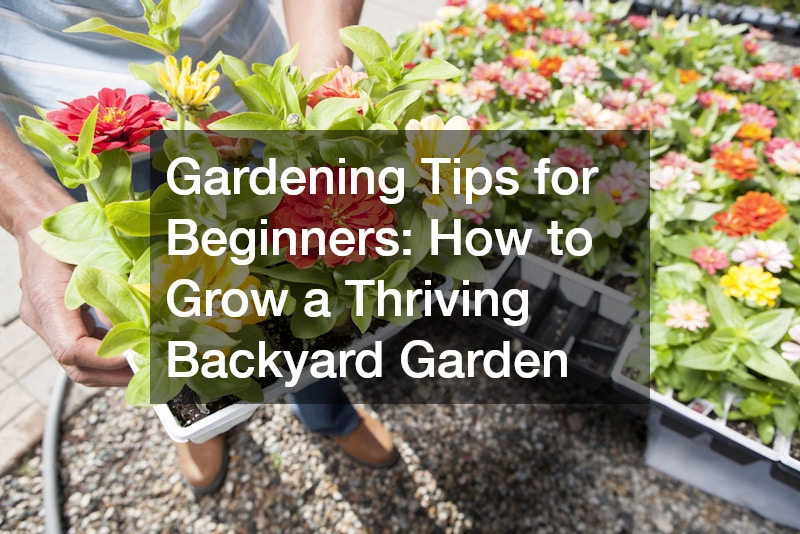
When choosing plants, focus on varieties suited to your climate zone. Local garden centers often label plants according to regional suitability, which increases your chances of success. Starting with hardy, low-maintenance options like tomatoes, peppers, lettuce, marigolds, or zinnias makes the learning process smoother and more rewarding.
Build Healthy Soil First
Healthy soil is the foundation of a thriving backyard space. Even the strongest plants will struggle if they are placed in compacted or nutrient-poor ground. Before planting anything, test your soil’s texture and drainage. Grab a handful, squeeze it, and see how it behaves. If it forms a tight, sticky ball, it may contain too much clay. If it falls apart immediately and feels sandy, it may drain too quickly.
Improving soil quality does not have to be complicated. Adding organic matter, such as compost, enriches nutrients, improves structure, and enhances moisture retention. Spread two to three inches of compost over the planting area and mix it into the top six to eight inches of soil. This simple step dramatically improves plant health and productivity.
Strong soil management is one of the most important foundations of successful gardening because healthy roots lead to stronger, more resilient plants throughout the growing season. Regularly feeding your plants with balanced fertilizer, especially during peak growth periods, ensures they receive essential nutrients. However, avoid over-fertilizing, as excessive nutrients can cause weak growth or reduced flowering.
Water and Maintain Consistently
Proper watering is one of the most common challenges for beginners. Both overwatering and underwatering can cause stress, root problems, or disease. Instead of watering on a strict schedule, check the soil regularly. Insert your finger about two inches into the soil; if it feels dry at that depth, it’s time to water.
Deep, infrequent watering is generally better than shallow daily watering. When you water deeply, roots grow downward in search of moisture, resulting in stronger, more resilient plants. Early morning is the best time to water because it reduces evaporation and allows leaves to dry before evening, which helps prevent fungal issues.
Pruning and trimming also play an important role in overall gardening success. Removing dead leaves, spent flowers, and damaged stems encourages new growth and improves airflow around plants. This reduces the risk of pests and disease. Regular observation allows you to spot problems early, whether it’s insect damage, discoloration, or wilting. The sooner you address issues, the easier they are to manage.
Choose Plants That Match Your Lifestyle
One of the biggest mistakes beginners make is selecting plants that require more time and attention than they can realistically provide. Be honest about how much time you can dedicate each week. If you have a busy schedule, choose drought-tolerant or low-maintenance varieties that thrive with minimal care.
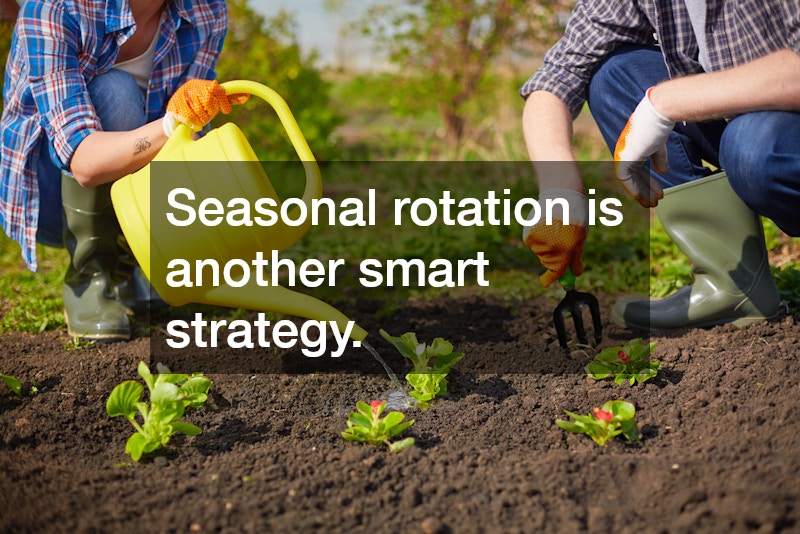
Seasonal rotation is another smart strategy. Avoid planting the same crop in the same location year after year. Rotating crops helps prevent soil nutrient depletion and reduces the buildup of pests and diseases specific to certain plant families. Even a basic rotation plan can make a noticeable difference over time.
Patience and consistency are key in gardening, especially during the first few seasons. Every gardener experiences plant loss, weather damage, or pest challenges at some point. These experiences are valuable learning opportunities. Take notes on what works and what doesn’t so you can improve each season.
As your confidence grows, so will your willingness to experiment with new varieties, layouts, and techniques. The rewards go far beyond fresh produce or beautiful blooms. A well-tended garden offers stress relief, physical activity, and a deeper connection to nature. With patience and steady effort, beginners can turn even a small backyard into a flourishing outdoor retreat that brings joy throughout the seasons.