Sharing your home with uninvited guests is never pleasant. Yet household pests are a common issue for homeowners, regardless of location or season. Some pests sneak in looking for food, while others are searching for warmth or moisture. Knowing which pests are most likely to show up and what attracts them can help you spot problems early and take action before damage or health concerns arise. Left untreated, small pest issues can quickly escalate, making early awareness especially important.
Why Pests Are Drawn Indoors
Homes offer pests exactly what they need to survive. Food crumbs, standing water, cluttered storage areas, and small entry points all make it easy for insects and rodents to move inside. Weather changes can also drive pests indoors, especially during colder months or periods of heavy rain.
While a single sighting may not seem serious, many pests reproduce quickly. What starts as a minor issue can turn into a larger infestation if left unchecked. In these situations, homeowners often turn to local pest control companies for guidance on identifying and managing the problem safely.
Ants
Ants are among the most common household pests. They are especially attracted to sugary foods, grease, and moisture. Once ants find a food source, they leave scent trails that guide others to the same spot, which is why they often appear in long lines.
Common areas where ants show up include kitchens, pantries, and bathrooms. Even small crumbs or spills can be enough to attract them. Sealing food containers and wiping down surfaces regularly can help reduce their presence.
Cockroaches
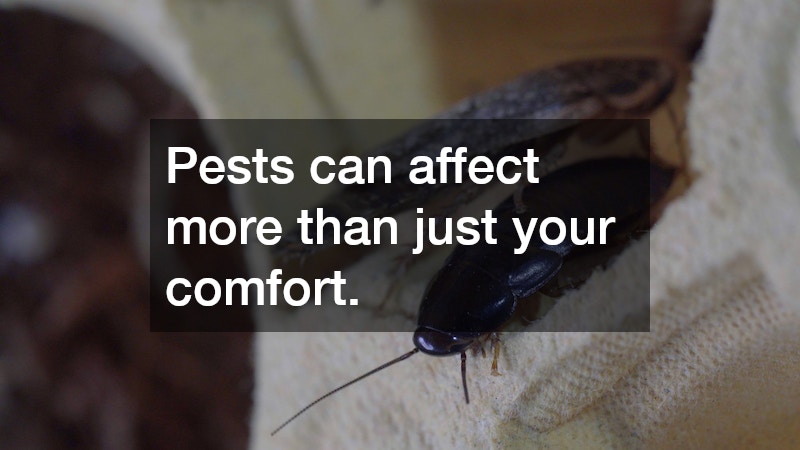
Cockroaches are resilient pests that thrive in warm, dark environments. They are often found in kitchens, bathrooms, basements, and behind appliances. These pests can contaminate food and surfaces, and their droppings may trigger allergies or asthma.
Cockroaches are typically active at night, so seeing one during the day may indicate a larger issue. Eliminating clutter, fixing leaks, and keeping trash sealed can make your home less appealing to them.
Rodents
Mice and rats are more than just a nuisance. They can chew through wiring, insulation, and wood, leading to costly repairs. Rodents are also known to carry diseases and contaminate food supplies.
These pests often enter homes through small gaps around doors, windows, or utility lines. Once inside, they nest in quiet areas such as attics, walls, or garages. Scratching sounds, droppings, and gnawed materials are common signs of rodent activity.
Termites
Termites are particularly concerning because they can cause serious structural damage before homeowners realize they are present. These pests feed on wood and are often found in walls, foundations, and crawl spaces.
Since termites work silently, damage may go unnoticed for long periods. Regular inspections and moisture control are key steps in reducing the risk of infestation.
Spiders
While most spiders are harmless and even help control other insects, their presence can still be unsettling. Spiders are usually drawn indoors by an abundance of prey, such as flies or mosquitoes.
They tend to settle in corners, basements, closets, and other low-traffic areas. Reducing insect populations and sealing cracks can help limit spider activity.
Bed Bugs
Bed bugs are small, elusive pests that feed on human blood. They are often brought into homes through luggage, clothing, or used furniture. Infestations are not linked to cleanliness and can happen to anyone.
Signs of bed bugs include small bites, blood stains on bedding, and dark spots on mattresses or furniture. Because they spread easily and are difficult to eliminate, professional treatment is often necessary.
When Professional Help Makes Sense
While preventive steps can reduce pest activity, some infestations require expert attention. Local pest control companies have the training and tools to identify pests accurately and treat them safely. Professionals can also locate hidden nesting areas and guide on preventing future issues.
How Pest Control Companies Work to Protect Your Home
Pest control companies provide professional services to identify, eliminate, and prevent infestations in homes and businesses. They begin with a thorough inspection to determine the type of pest, the extent of the problem, and the areas most affected. Based on their findings, they develop a treatment plan that may include chemical or natural solutions, traps, or exclusion techniques to keep pests out. Many companies also offer ongoing monitoring and prevention strategies, such as sealing entry points, recommending maintenance improvements, and educating homeowners on habits that reduce pest attraction. By combining expertise with tailored solutions, pest control professionals ensure infestations are handled safely, effectively, and with minimal disruption to daily life.
Pests can affect more than just your comfort. They may pose health risks, damage property, and create ongoing stress. Addressing issues early helps protect both your home and your peace of mind.
If problems persist, working with local pest control companies can provide long-term solutions and professional insight. With the right approach, you can reduce pest activity and maintain a cleaner, safer living space. Taking preventive steps now also helps protect your home’s structure, improves indoor comfort, and reduces the likelihood of recurring infestations over time.