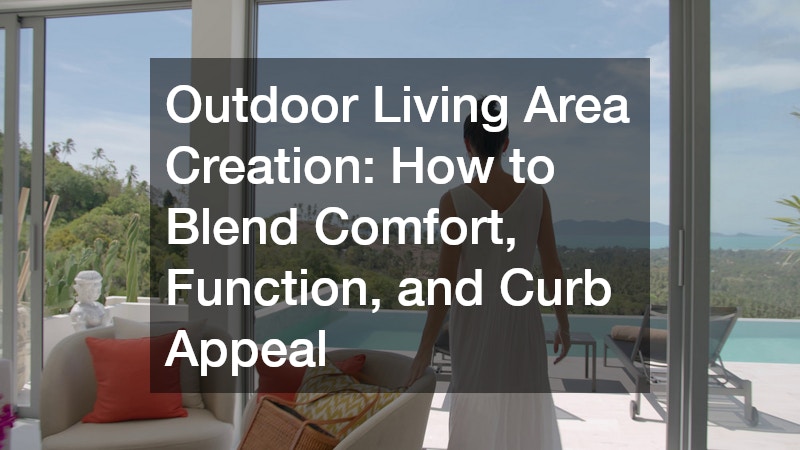
Creating a stunning outdoor living area is about more than just placing a few chairs on a deck. The most successful designs balance aesthetics, functionality, and comfort while integrating natural and structural elements. In 2026, homeowners are prioritizing outdoor spaces that feel like an extension of their indoor living areas, offering spaces for relaxation, dining, entertaining, and recreation. From pools and pergolas to gardens and walkways, thoughtful planning can turn a backyard into a luxurious retreat. This guide explores essential pointers for outdoor living area creation!
Designing a Pool That Complements Your Outdoor Space
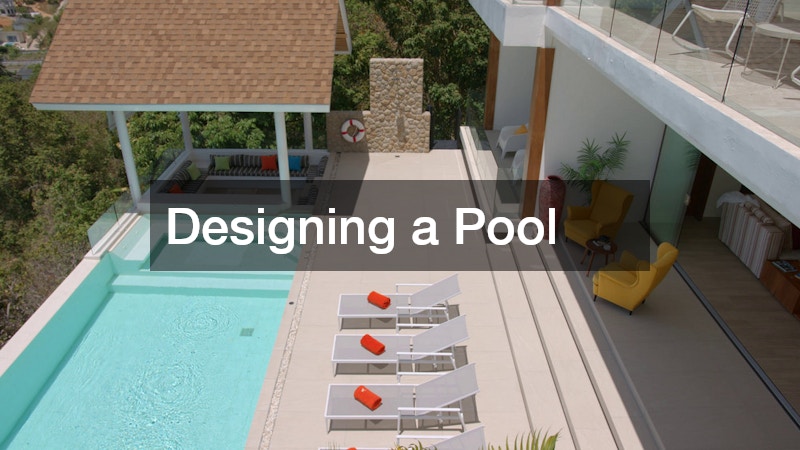
A well-designed pool can be the focal point of your outdoor living area, but proper maintenance is critical to keep it both beautiful and safe. In 2026, homeowners are paying closer attention to pH balance pool maintenance to ensure crystal-clear water and prevent algae growth. Balancing chemicals correctly protects pool surfaces, equipment, and swimmers. When designing a pool, consider shape, depth, and surrounding decking to enhance both functionality and visual appeal. Incorporating lighting, waterfalls, and adjacent seating areas can create a resort-like atmosphere. Working with experienced pool designers and maintenance experts ensures your pool is a long-term investment that integrates seamlessly with your overall outdoor living vision.
Advanced Filtration and Water Quality
Maintaining impeccable water quality is essential for a luxurious pool experience. Modern outdoor spaces increasingly feature technology-driven solutions such as reverse osmosis pool service to reduce mineral buildup, improve clarity, and extend equipment life. Reverse osmosis systems remove impurities and hardness that can stain surfaces or irritate skin and eyes. Pairing these services with energy-efficient pumps and automated chemical dosing creates a low-maintenance, sparkling pool. In addition, consider how your pool location interacts with landscaping to reduce debris accumulation. When properly designed and serviced, your pool becomes a low-stress centerpiece that invites year-round enjoyment while contributing to the beauty and functionality of your outdoor living area.
Choosing the Right Professionals
Creating a cohesive outdoor living space often requires collaboration with skilled professionals. Selecting a reliable pool company can make the difference between a dream pool and costly frustrations. A professional team brings expertise in design, construction, equipment installation, and maintenance planning. They also help navigate permits, safety requirements, and warranty considerations. Beyond the pool, professional landscapers, deck builders, and irrigation experts can ensure each element of your backyard complements the other. Investing in quality craftsmanship not only enhances curb appeal but also reduces long-term maintenance headaches. Partnering with a trusted team ensures your outdoor living area is functional, beautiful, and built to last.
Landscaping Essentials
Landscaping defines the character and usability of an outdoor living area. Using high-quality garden supplies such as soil amendments, mulch, fertilizers, and planters ensures healthy plant growth and vibrant aesthetics. Thoughtful plant selection—considering native species, shade tolerance, and seasonal blooms—creates dynamic interest year-round. Consider layering textures with shrubs, perennials, and ground cover to soften hardscapes and guide movement throughout the space. Functional landscaping can also incorporate erosion prevention, seating areas, and natural pathways. When paired with the pool and other structural elements, lush, well-maintained greenery enhances both curb appeal and comfort in your outdoor retreat.
Efficient Irrigation and Water Management
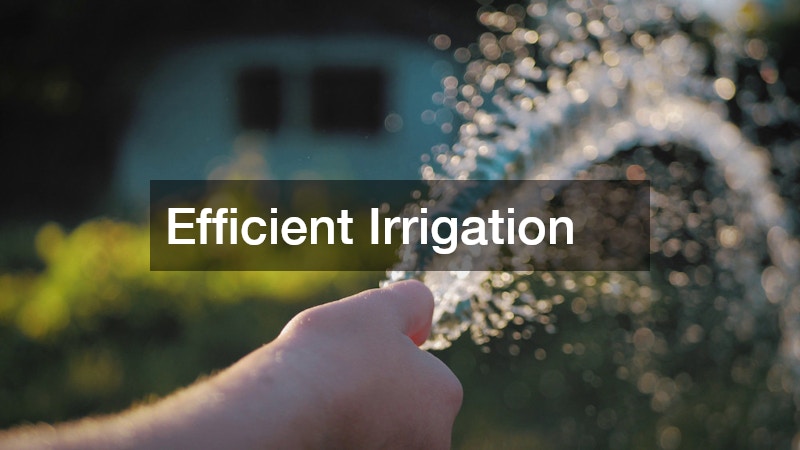
Proper hydration is key to maintaining a thriving outdoor space. A quality garden hose is essential for daily watering, but integrating automated irrigation systems can simplify maintenance and conserve water. Drip irrigation and smart timers deliver precise hydration directly to plant roots, reducing waste and promoting healthier growth. Additionally, pairing irrigation with mulching and rainwater harvesting systems supports sustainability. Consider how your hose and watering strategy will interact with pathways, decks, and entertainment zones to prevent slips and soil erosion. Thoughtful water management enhances both the appearance and functionality of your outdoor living area, keeping plants vibrant and landscapes attractive throughout the seasons.
Seamless Indoor-Outdoor Transitions
Transitioning from indoor to outdoor living is crucial for comfort and flow. Installing high-quality milgard patio door systems can create a wide, durable opening that blends interior and exterior spaces. These doors provide energy efficiency, weather protection, and a sleek aesthetic. When paired with decking, pergolas, and outdoor seating areas, they allow for unobstructed views and natural light, making the backyard feel like an extension of the home. Properly designed thresholds and flooring connections prevent tripping hazards while enhancing visual continuity. In 2026, homeowners prioritize these seamless transitions to create inviting, functional spaces that encourage frequent use of outdoor living areas.
Protecting Your Outdoor Investments
Soil stability and structural integrity are critical when planning an outdoor living area. Incorporating erosion control techniques prevents soil loss, foundation damage, and landscape deterioration. Methods include retaining walls, terracing, ground cover, and drainage management. Strategic grading and plant selection reduce runoff and protect hardscapes, including patios, walkways, and pool decks. By addressing erosion proactively, you preserve both aesthetic appeal and functional usability. Combining these measures with maintenance routines ensures long-term stability. An outdoor living space that accounts for natural soil movement and water flow will remain safe, comfortable, and visually appealing for years to come.
Strategic Tree Management
Trees provide shade, beauty, and privacy but can pose challenges if not managed properly. Professional tree removal services are essential when trees interfere with structures, obstruct views, or threaten safety. Additionally, pruning and selective removal maintain healthy growth, prevent disease spread, and protect surrounding plants and hardscapes. Mature trees can anchor garden design and offer natural cooling benefits, but their placement should be strategic to avoid damage to pools, patios, and underground utilities. In 2026, integrating arborist expertise into outdoor living planning ensures a balanced mix of aesthetics, function, and safety, resulting in a harmonious backyard environment that maximizes comfort and usability.

Managing Water Runoff
Proper drainage is essential for maintaining comfort and protecting structures in an outdoor living area. Partnering with experienced gutter contractors ensures rainwater is directed away from decks, patios, and foundation areas. Well-designed gutters, downspouts, and drainage channels prevent water pooling, erosion, and damage to landscaping. Combining these systems with rain gardens, permeable surfaces, and subtle grading can enhance both aesthetics and environmental sustainability. Attention to water management allows homeowners to enjoy outdoor spaces even after heavy rain, reduces maintenance requirements, and safeguards long-term property value. Functional drainage systems integrate seamlessly into design, supporting both curb appeal and practical usability.
Adding Shade and Architectural Interest
Shade structures are essential for comfort, UV protection, and visual appeal. An outdoor pergola can define seating areas, create vertical interest, and support climbing plants. Pergolas also allow for lighting, fans, or retractable canopies, enhancing usability in different weather conditions. Positioning the structure strategically near pools, patios, or dining zones maximizes its benefits. Combining pergolas with furniture, cushions, and décor creates a cozy and inviting environment. In 2026, pergolas are designed with both aesthetics and function in mind, serving as focal points that elevate outdoor living areas while providing practical comfort for all seasons.
Outdoor Lighting for Safety and Ambiance
Proper outdoor lighting enhances both safety and aesthetics. Pathway lights, recessed deck lighting, and accent spotlights illuminate walkways, pools, and seating areas, reducing trip hazards and highlighting design features. Layered lighting—including task, ambient, and decorative options—creates a welcoming atmosphere for evening gatherings. Solar-powered or energy-efficient LED systems reduce electricity use while providing consistent illumination. Strategically placed lights can also showcase landscaping, water features, and architectural elements. In 2026, integrating smart lighting controls allows homeowners to adjust brightness and color remotely, enhancing convenience and energy efficiency while ensuring that the outdoor living area is both safe and visually striking.
Outdoor Kitchens and Dining Areas
Outdoor kitchens and dining spaces elevate backyard functionality, turning a simple patio into a full entertainment hub. Built-in grills, counter space, storage, and sinks make cooking convenient, while durable dining furniture accommodates guests comfortably. Materials like stone, stainless steel, and weather-resistant finishes ensure longevity. Incorporating shade from pergolas, umbrellas, or retractable awnings allows year-round enjoyment. In 2026, integrating smart appliances and lighting enhances usability and convenience. These areas encourage social gatherings and create seamless indoor-outdoor flow. Planning the layout carefully ensures safety and traffic flow, combining culinary function with aesthetic appeal to maximize outdoor living enjoyment.
Sustainable Practices for Outdoor Spaces
Sustainability is increasingly important in modern outdoor design. Using drought-tolerant plants, rainwater harvesting systems, and energy-efficient lighting reduces environmental impact. Composting organic waste and selecting eco-friendly materials further contribute to sustainability. Incorporating permeable pavers and proper drainage protects soil health and minimizes erosion. Even small adjustments, like efficient irrigation and mulching, can significantly reduce water consumption. In 2026, homeowners also explore solar panels, native landscaping, and low-maintenance garden solutions to create eco-conscious outdoor living areas. Sustainable practices not only conserve resources but also enhance long-term durability, functionality, and visual appeal, supporting an environmentally responsible backyard retreat.
Privacy and Noise Management
Privacy and noise control are essential for outdoor comfort. Using fencing, hedges, trellises, and screens creates secluded areas, while dense plantings can buffer unwanted sounds from neighbors or traffic. Water features and textured surfaces further reduce noise pollution. Careful layout planning ensures that entertaining, relaxation, and recreational zones remain quiet and inviting. Privacy structures also enhance safety around pools and seating areas. In 2026, combining functional barriers with aesthetically pleasing landscaping achieves a balance between seclusion and beauty. Well-designed privacy measures allow homeowners to enjoy outdoor spaces confidently, promoting relaxation, socializing, and peace of mind.
Incorporating Fire Features
Fire features add warmth, ambiance, and a focal point to outdoor living areas. Fire pits, chimineas, and built-in fireplaces create inviting gathering spaces, extending usability into cooler evenings. They can be designed as standalone elements or integrated with seating areas and patios. In 2026, modern fire features emphasize safety, energy efficiency, and style, using gas, wood, or electric options. Placement is crucial to ensure ventilation and minimize risks. Well-designed fire features enhance social interaction, provide cozy lighting, and contribute to the overall aesthetic, making your outdoor space functional and visually striking year-round.
Outdoor Entertainment Technology
Integrating technology into outdoor spaces enhances functionality and leisure. Outdoor TVs, speakers, and weatherproof Wi-Fi systems allow for movies, music, and sports entertainment in the backyard. Smart controls enable homeowners to adjust lighting, sound, and temperature remotely, improving convenience. In 2026, outdoor entertainment technology is designed to withstand sun, rain, and temperature changes without sacrificing quality. Strategically placing screens and speakers ensures visibility and optimal sound without interfering with landscaping or seating arrangements. Technology can transform an outdoor living area into a multi-functional space that balances relaxation, social gatherings, and modern convenience.
Seasonal Adaptations for Year-Round Use
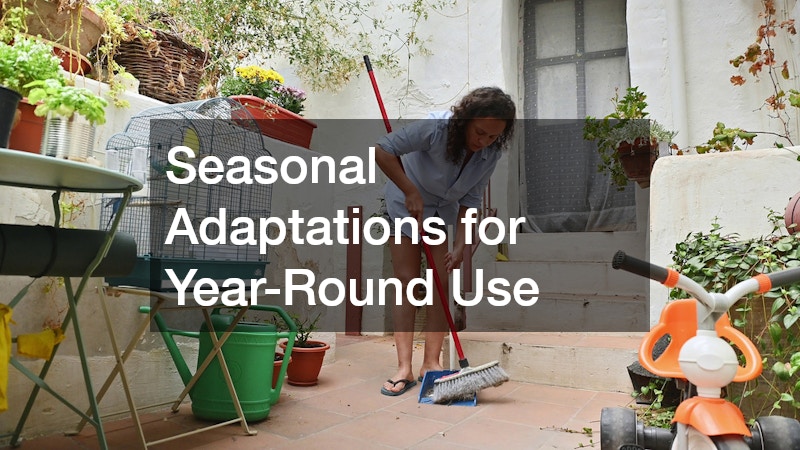
Creating an outdoor space that works year-round requires planning for seasonal changes. Retractable awnings, pergolas with shading, and windbreaks protect against sun and cold. Outdoor heaters, fire features, and insulated seating cushions extend usability during cooler months. Removable screens and fans improve comfort in summer while allowing ventilation. In 2026, weather-resistant materials and smart climate controls are standard in high-quality outdoor living areas. Seasonal adaptability ensures that the backyard remains functional and enjoyable in every climate. By anticipating seasonal needs, homeowners can maximize use, maintain comfort, and preserve the aesthetic appeal of their outdoor spaces throughout the year.
Final Touches and Personalization
The finishing touches bring an outdoor living area to life. Thoughtful selection of lighting, textiles, planters, and décor complements structural elements and landscaping. Accessories should balance style, durability, and weather resistance. Integrating personal elements such as artwork, fire pits, or water features enhances character and invites relaxation. Regular maintenance using quality supplies keeps the area safe and inviting. By combining comfort, function, and curb appeal, homeowners create outdoor spaces that reflect their personality while remaining practical for entertaining, gardening, and leisure. Personalized touches ensure that your backyard is not only visually appealing but also a true extension of your lifestyle.
Designing an outdoor living area that blends comfort, function, and curb appeal requires thoughtful planning and attention to detail. From pool design and pergolas to landscaping, lighting, and sustainability, every element contributes to a cohesive and enjoyable backyard retreat. Integrating professional guidance, quality materials, and modern technologies ensures longevity, usability, and beauty. In 2026, outdoor living areas are not just extensions of the home—they are intentional, functional sanctuaries that enhance well-being, social connection, and property value.