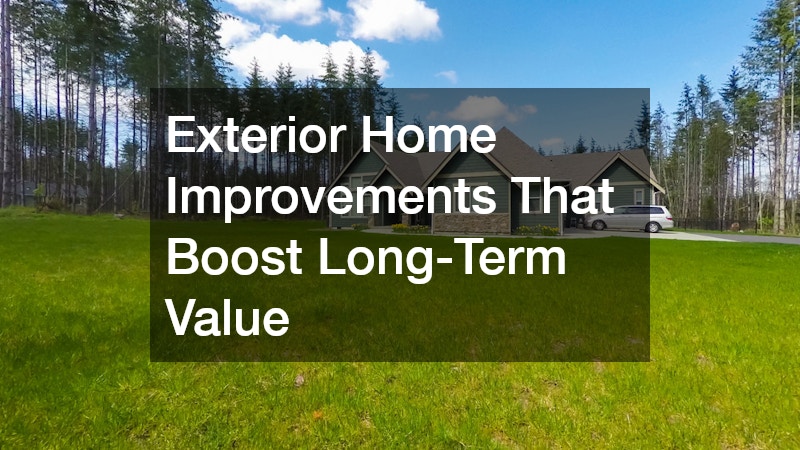
Exterior improvements play a major role in how a home ages, performs, and is perceived by future buyers. While interior updates often get more attention, the outside of a home does the heavy lifting when it comes to protection, durability, and first impressions. Roofing, landscaping, outdoor systems, and recreational features all influence resale value and long-term ownership costs.
Homeowners who focus on thoughtful exterior upgrades tend to see fewer surprise repairs, stronger curb appeal, and better returns when it comes time to sell. The key is choosing improvements that balance appearance with structural integrity, safety, and ease of maintenance. This guide explores how to approach exterior projects strategically so every dollar invested works harder over time.
Exterior elements are constantly exposed to weather, sunlight, moisture, and temperature changes, which means they naturally experience more wear than interior features. Without proper planning and upkeep, small exterior issues can quietly turn into expensive problems that affect the entire home. Cracked surfaces, poor drainage, and aging materials often go unnoticed until they begin impacting foundations, roofing systems, or surrounding structures. Addressing these areas early helps prevent damage that extends beyond the exterior itself.
Strategic planning also allows homeowners to take a long-term view instead of reacting to individual problems as they arise. By understanding which upgrades deliver lasting value and how different exterior systems interact, homeowners can create improvement plans that are both efficient and financially sound. This approach not only protects the home but also creates an outdoor environment that feels cohesive, functional, and well cared for, qualities that matter to both current owners and future buyers alike.
Identifying Exterior Projects With the Highest Return
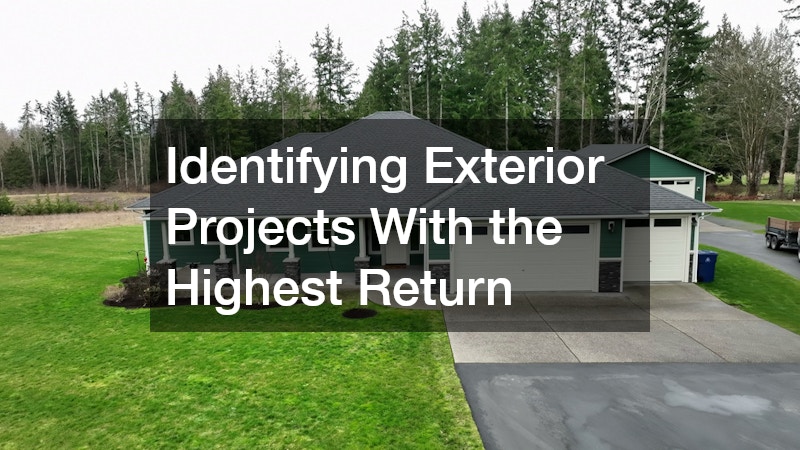
Not all exterior upgrades deliver the same value. Some improvements directly protect the home’s structure, while others improve usability or visual appeal. The most effective projects tend to do both. A custom roof, for example, is not just a design upgrade-it’s a long-term investment in weather protection, insulation performance, and resale confidence.
Homeowners should evaluate upgrades based on how well they address multiple goals at once. Improvements that strengthen durability while enhancing appearance often justify their cost over time. It’s also important to consider how upgrades affect maintenance needs and future repairs. Projects that reduce exposure to the elements or improve efficiency typically lower long-term expenses, making them smarter investments than purely cosmetic changes.
When evaluating which exterior projects make the most sense, homeowners should focus on durability first. Buyers and appraisers place a premium on homes that show evidence of quality materials and thoughtful planning. Cosmetic upgrades may attract attention, but structural improvements sustain value.
Projects that often deliver strong long-term returns include:
- Roofing systems designed for local climate conditions
- Permanent outdoor features that require minimal upkeep
- Drainage and grading improvements that protect foundations
- Hardscaping that reduces erosion and maintenance
Homeowners should also consider neighborhood context. Improvements that align with surrounding homes tend to support value better than extreme upgrades that exceed local norms. Prioritizing longevity over trends ensures that exterior investments continue paying off long after installation.
Choosing the Right Professional for Roofing Projects
Roofing is one of the most critical exterior investments a homeowner can make, and the quality of installation matters just as much as the materials used. Selecting a skilled roofer or comparing residential roofing companies should never be rushed, as mistakes can lead to leaks, insulation problems, and premature replacement.
Homeowners should begin by verifying credentials, licensing, and insurance. Beyond paperwork, experience with similar homes and roof styles is essential. A qualified professional should be able to explain not just what they recommend, but why it’s appropriate for your structure and climate.
When comparing options, consider:
- How inspections and measurements are performed
- The clarity and detail of written estimates
- Warranty coverage for both labor and materials
- Willingness to answer questions without pressure
It’s also important to understand that the lowest bid is rarely the best value. Quality workmanship, proper ventilation, and attention to flashing and underlayment details directly affect how long a roof lasts. A well-executed roofing project protects everything beneath it and strengthens overall home value.
Maintaining Pool Structures to Preserve Property Value
A swimming pool can be a valuable asset, but only when it’s well-maintained. Neglected pools quickly become liabilities that deter buyers and raise concerns about hidden damage. Regular pool repair helps preserve both appearance and structural integrity, ensuring the feature enhances rather than harms property value.
Small issues such as minor leaks, surface wear, or equipment malfunctions can escalate quickly if ignored. Over time, these problems may affect surrounding decking, plumbing lines, or electrical components. Routine inspections and timely repairs not only prevent costly structural damage but also signal responsible ownership. Buyers are far more confident in properties where pool systems appear clean, functional, and properly cared for.
Common issues homeowners should watch for include:
- Cracks or leaks in pool walls or floors
- Fading, wrinkling, or tearing surfaces
- Malfunctioning pumps, filters, or plumbing
- Uneven decking or shifting surrounding areas
Addressing small problems early often prevents far more expensive repairs later. Buyers are especially sensitive to visible signs of deferred maintenance, which can lead to lower offers or requests for concessions.
Consistent care also extends the lifespan of major pool components. By keeping systems balanced and surfaces intact, homeowners protect their investment and maintain the pool as a selling feature rather than a negotiating obstacle.
Planning Smart Pool Updates That Attract Buyers
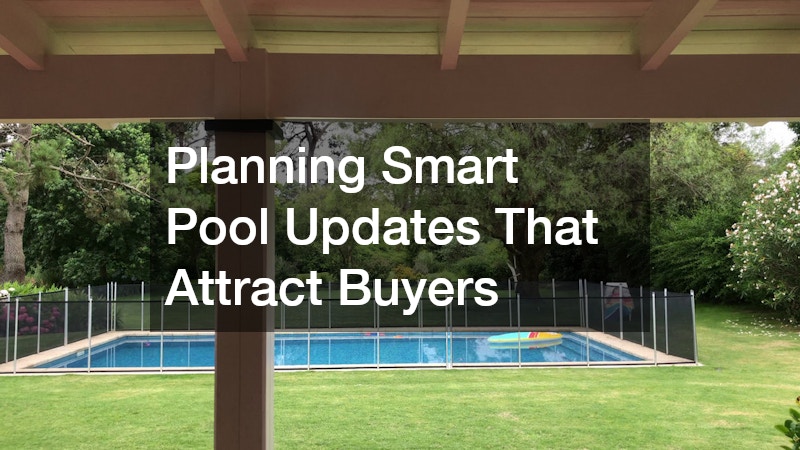
Over time, even well-maintained pools benefit from strategic updates. A pool liner installation can refresh the entire look of a backyard while improving safety and functionality. Working with a knowledgeable pool contractor ensures the update is done correctly and aligned with long-term value goals.
Homeowners should approach pool updates with buyers in mind, even if selling isn’t imminent. Neutral colors, durable materials, and clean finishes appeal to a broader audience and age more gracefully than bold design choices.
Key considerations include:
- Selecting liner materials designed for longevity and UV resistance
- Ensuring precise measurements to prevent premature wear
- Coordinating pool updates with surrounding landscaping or decking
- Scheduling work to minimize downtime during peak seasons
Well-planned pool updates improve usability and reduce maintenance concerns, which can significantly boost buyer confidence and perceived value.
Understanding the Value of Thoughtful Pool Design
Pools that feel integrated into the property tend to add more value than those that appear oversized or poorly planned. A custom pool builder can help homeowners design features that complement the home’s layout, yard size, and overall aesthetic without overbuilding.
Customization should focus on functionality rather than excess. Features that enhance comfort and usability, such as seating areas, gradual entry points, or efficient circulation, tend to appeal to more buyers than elaborate additions that increase maintenance.
Homeowners should consider:
- How pool placement affects yard flow and sightlines
- Balancing recreation space with open landscaping
- Matching finishes and shapes to the home’s architecture
- Avoiding features that limit future buyer flexibility
When customization is done thoughtfully, it elevates the entire outdoor space and supports long-term value instead of narrowing appeal.
Improving Yard Safety and Structure Through Strategic Clearing
Overgrown or poorly placed trees can quietly undermine exterior investments. Strategic tree removal is sometimes necessary to protect roofs, foundations, and underground utilities. While mature trees add beauty, they can also pose risks when roots or branches interfere with structures.
Unchecked growth can lead to clogged gutters, damaged shingles, cracked walkways, and compromised drainage patterns. In severe weather, weakened or unstable trees increase the risk of falling limbs that can cause significant property damage. Evaluating tree health and placement helps homeowners balance aesthetic value with safety. Removing problematic trees at the right time can prevent costly repairs while preserving the overall stability and appearance of the landscape.
Homeowners should assess trees for:
- Proximity to the house or roofline
- Signs of disease, instability, or storm damage
- Root systems affecting walkways, driveways, or plumbing
- Excessive shading that promotes moisture issues
Removing problematic trees can improve drainage, reduce pest risks, and protect other exterior features. When done thoughtfully, clearing creates opportunities for healthier landscaping and better long-term maintenance outcomes.
Coordinating Landscaping for Long-Term Maintenance Savings
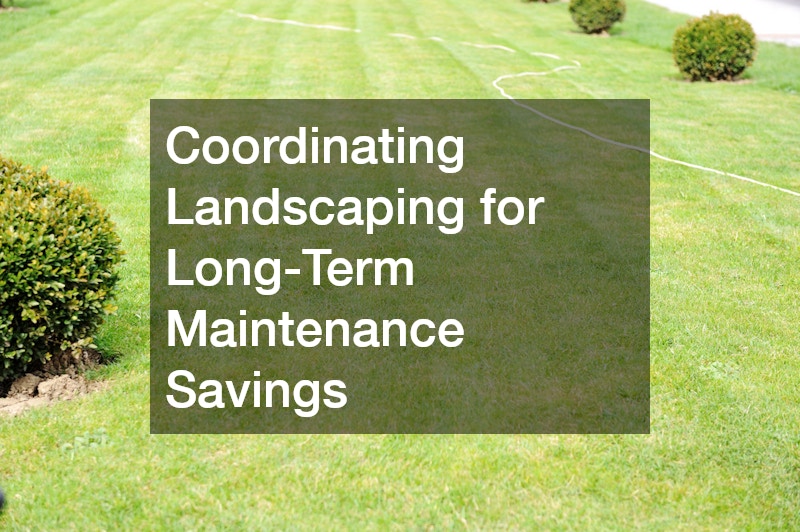
Well-designed landscaping does more than improve appearance; it reduces erosion, manages water flow, and lowers ongoing maintenance costs. Working with local landscaping companies provides homeowners with region-specific knowledge about soil conditions, plant selection, and seasonal challenges.
Professionally planned landscapes often focus on durability and balance rather than constant upkeep. Native or climate-adapted plants require less water and maintenance while maintaining visual appeal throughout the year.
Effective landscaping strategies include:
- Using ground cover to reduce erosion and weeds
- Designing plant groupings based on water needs
- Creating clear boundaries between hardscape and plantings
- Positioning plants to protect siding and foundations
Thoughtful landscaping enhances curb appeal while supporting the longevity of other exterior investments.
Creating Consistent Water Coverage for Healthy Landscapes
Water management plays a critical role in exterior home value. An efficient sprinkler system ensures landscaping stays healthy without wasting water or causing runoff issues that can damage foundations and hardscapes.
Older irrigation systems often suffer from uneven coverage, leaks, or outdated controls. Updating these systems improves plant health and reduces utility costs while protecting structural elements from excess moisture.
Homeowners should evaluate irrigation systems for:
- Proper zoning based on plant type and sun exposure
- Adjustable scheduling for seasonal changes
- Leak detection and pressure regulation
- Coverage that avoids overspray onto structures
Efficient water distribution supports landscaping investments and contributes to a healthier, more sustainable exterior environment.
Aligning Outdoor Projects for Visual Consistency
Exterior improvements deliver the greatest value when they feel cohesive. Coordinating timelines and design choices across projects, often with input from a pool contractor, prevents mismatched materials and redundant work.
Homeowners planning multiple upgrades should consider how each element interacts visually and functionally. Pool areas, landscaping, roofing, and walkways should complement one another rather than compete for attention.
Best practices include:
- Planning projects in logical phases
- Selecting materials with consistent tones and textures
- Protecting completed work during future upgrades
- Communicating plans clearly with all professionals involved
A unified exterior presentation enhances perceived value and creates a polished, intentional look that appeals to buyers.
Budgeting and Planning Exterior Improvements Strategically
Long-term value depends not only on what projects are completed, but how they are planned and documented. Working with residential roofing companies and other professionals who provide clear records, warranties, and maintenance guidance helps protect investments over time.
Homeowners should approach exterior improvements with a multi-year mindset. Phased planning allows projects to build on one another rather than requiring rework.
Clear documentation also makes future decisions easier. Records of materials, installation dates, and service histories support warranty claims, insurance reviews, and resale disclosures. When improvements are properly documented, homeowners can demonstrate care and quality to future buyers. Planning ahead also helps align budgets with priorities, ensuring that each phase supports the next without unnecessary expense or disruption.
Smart planning steps include:
- Creating a prioritized improvement timeline
- Setting aside funds for maintenance and inspections
- Keeping documentation for warranties and upgrades
- Considering how improvements affect insurance and appraisals
Strategic planning ensures that exterior upgrades remain assets rather than future liabilities.
Exterior home improvements are most valuable when they are planned with longevity, function, and cohesion in mind. By focusing on durability, proper installation, and thoughtful design, homeowners protect their property while enhancing everyday enjoyment.
Rather than chasing trends or reacting to problems, proactive exterior investments reduce risk, control costs, and strengthen resale appeal. When projects are chosen carefully and maintained consistently, the exterior of a home becomes a lasting advantage-supporting comfort, safety, and value for many years to come.
Long-term value is built through a series of informed decisions rather than a single upgrade. Each improvement should complement existing features and contribute to the overall performance of the home. When exterior systems work together, from roofing and drainage to landscaping and outdoor amenities, they create a cohesive environment that ages more gracefully and requires fewer unexpected repairs. This integrated approach also makes future improvements easier and more cost-effective.
Homeowners who take the time to plan ahead benefit from greater predictability and peace of mind. Clear documentation, regular inspections, and preventative maintenance help preserve the quality of completed work while protecting warranties and insurance coverage. Over time, these habits reduce stress and improve budgeting accuracy.
Ultimately, exterior improvements are not just about appearance; they reflect how well a home is cared for. A well-maintained exterior signals quality, reliability, and pride of ownership- qualities that resonate with future buyers and contribute to a stronger, more resilient investment.