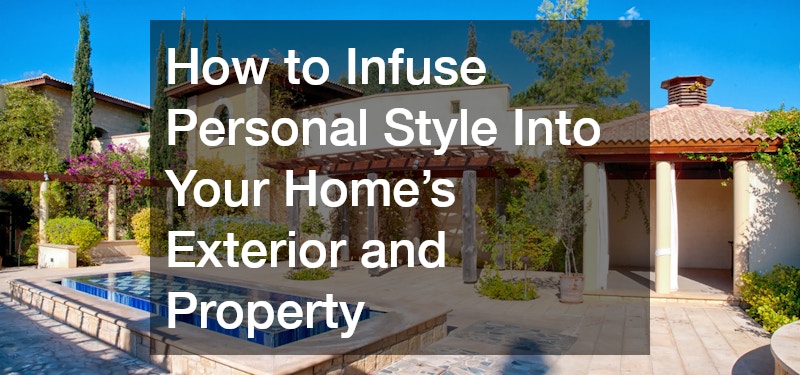
When we think about home design, we often focus indoors, choosing paint for the living room, textiles for the bedroom, and kitchen hardware. However, your home’s exterior is the first impression, the architectural cover of your personal book, and it tells a story about its occupants before guests step inside. Many homeowners opt for generic exteriors because updating them feels overwhelming. Landscape becomes a standard patch, siding matches neighboring houses, and backyards are underutilized. Enhancing your home’s exterior is not just about resale value; it’s about extending your personal design philosophy outside. Creating a personal and sophisticated exterior requires balancing architectural elements, deliberate landscaping, and curated outdoor spaces. Intentional, cohesive choices can transform a standard house into a personalized reflection of your lifestyle.
Establishing Contrast and Cohesion with Your Primary Wall Palette
The color palette and material texture of your home’s main structure form the canvas for your entire property. If your walls look tired, faded, or visually flat, no amount of landscaping can fully mask that lack of foundational style. To inject true personality into your facade, you need to think about color theory, depth, and the architectural history of your home.
A sophisticated exterior palette typically relies on a modern three-color system. This consists of a dominant body color that covers the majority of the surface, a trim color that frames windows and rooflines, and a bold accent color reserved for high-impact focal points like the front door or window shutters. When selecting these colors, consider the following actionable strategies:
- Analyze Your Architecture: Cape Cod and colonial homes thrive on timeless, high-contrast pairings like crisp whites, deep navies, and heritage blacks. Mid-century modern homes welcome earthy mid-tones like olive green, warm cedar accents, and pops of mustard yellow. Contemporary builds can handle moody, monochromatic palettes featuring charcoals, slate, and dark bronze trim.
- Embrace the Rule of Contrast: If your dominant body color is light, choose a trim color that is at least three shades darker to make your architectural features pop. Conversely, if you opt for a dramatic, dark body color, a crisp or slightly creamy light trim will keep the structure from looking like a monolith.
- Test in Real-World Light: Never pick an exterior color based on a tiny swatch inside a showroom. Paint large, three-foot squares on different sides of your home. Observe how the color shifts under the direct glare of the morning sun, the cool shadows of the afternoon, and the amber glow of evening streetlights.
Once you have a vision for your color story, execution is everything. Utilizing professional house painting companies is one of the most effective ways to guarantee that this extensive canvas is flawlessly prepared and executed. Professional painters understand how to strip away weathered layers, repair underlying damage, and apply high-performance, UV-resistant coatings that protect your home while making the colors look vibrant and rich.
To prevent a large home from looking overly uniform, you should also look for opportunities to introduce structural texture. Partnering with experienced siding contractors allows you to break up massive expanses of wall by mixing materials. For instance, you might use classic horizontal lap siding across the main body of the house, but introduce modern vertical board-and-batten siding on the gables, or install warm cedar shingles around an entryway. This interplay of light and shadow across different textures adds an architectural complexity that looks custom-designed rather than mass-produced.
Framing Your Property Line with Sophisticated Hardscaping

Once the main structure of your home reflects your aesthetic, your attention should shift outward to the boundaries of your property. The perimeter of your yard shouldn’t just be a barrier; it should serve as a frame that highlights your home’s best features. Boundaries establish a sense of security and privacy, but from a design perspective, they also create the literal layout of your outdoor rooms.
The key to sophisticated property framing is ensuring that your boundary materials complement the house’s architecture. For a rustic craftsman home, avoid a sleek, industrial metal barrier as it may seem out of place. Instead, maintain material continuity across your property by focusing on these design principles:
- Establish a Visual Hierarchy: Your perimeter barriers should scale down as they approach the street. A tall, solid structure is excellent for backyard privacy, but a lower, more open configuration in the front yard keeps the property looking welcoming and expansive.
- Incorporate Architectural Accents: Look at the brick, stone, or wood elements on your home’s facade and mirror those materials in your boundary supports. Matching stone pillars or brick columns at the corners of your property line instantly creates an expensive, cohesive look.
- Prioritize Clean Lines: Standard boundaries can easily sag or warp over time, instantly dragging down your curb appeal. Focus on materials that offer long-term structural integrity and clean, horizontal or vertical lines that guide the viewer’s eye smoothly across the property.
To turn these design concepts into reality, leveraging professional fencing services is highly recommended. Professional installers can navigate difficult slopes, ensure perfect structural alignment, and offer access to premium materials, such as powder-coated aluminum, composite woods, and custom horizontal timber designs, that far surpass standard big-box options. This ensures your perimeter looks like an intentional design choice rather than an afterthought.
The true highlight of your property line is the entry point. Upgrading a basic opening to a beautifully crafted fence gate serves as a physical and visual transition for anyone entering your domain. Consider a heavy wood design with custom black iron hardware for a timeless feel, or a sleek, minimalist gate that matches the trim color of your house. Treating this transition zone as functional art sets a tone of elegance and personal style before anyone steps onto your lawn.
Sculpting the Landscape to Create Visual Depth and Texture

Landscaping is the living, breathing element of your property’s style. All too often, residential landscaping consists of a flat rectangle of grass bordered by a few uninspired shrubs shoved against the foundation. To create a property that turns heads, you must approach your yard like a dynamic, three-dimensional painting, utilizing varied heights, textures, and seasonal colors.
The foundation of brilliant landscape design lies in creating layers. When you look at your yard from the street, your eye should travel smoothly from low-growing ground covers up to mid-sized perennial flowers and shrubs, and finally up to the grand canopy of mature trees. You can achieve this sense of depth by adopting a few professional design habits:
- The Thriller, Filler, Spiller Method: When designing garden beds, place tall, structurally dramatic plants (thrillers) at the back or center. Surround them with mounding, colorful flowers (fillers) to add bulk and texture. Finally, plant cascading greens (spillers) along the edges to soften the hard stone or wood borders of the bed.
- Design for Four Seasons: Do not just plan for the peak of summer. Integrate structural evergreens, holly bushes with winter berries, decorative dogwoods with striking bark, and early-blooming spring bulbs so your property looks alive and deliberate twelve months a year.
- Incorporate Hardscape Islands: Break up massive expanses of green grass by carving out dedicated landscape islands filled with dark mulch, large organic boulders, and ornamental grasses. This adds immediate visual interest and reduces the monotony of a standard lawn.
While planting small annual flowers is a delightful weekend hobby, execution on a macro scale requires specialized expertise. Engaging a premier landscaping service allows you to tackle major structural overhauls, such as correct land grading, the installation of automated irrigation systems, and the strategic sourcing of mature specimen plants. These professionals ensure that the soil chemistry, sun exposure, and drainage patterns are perfectly aligned with your design goals so your investment thrives for decades.
A polished landscape requires careful management of its vertical elements. Hiring a certified tree service is essential for shaping and maintaining large canopy trees. Professional arborists can canopy-lift and thin out trees, preventing overgrown branches from blocking sunlight and obscuring your home’s siding. This architectural pruning frames the house perfectly, dapples sunlight across your lawn, and removes hazardous deadwood, keeping your design safe and stunning.
Crafting Seamless Transitions to Premium Outdoor Living Spaces
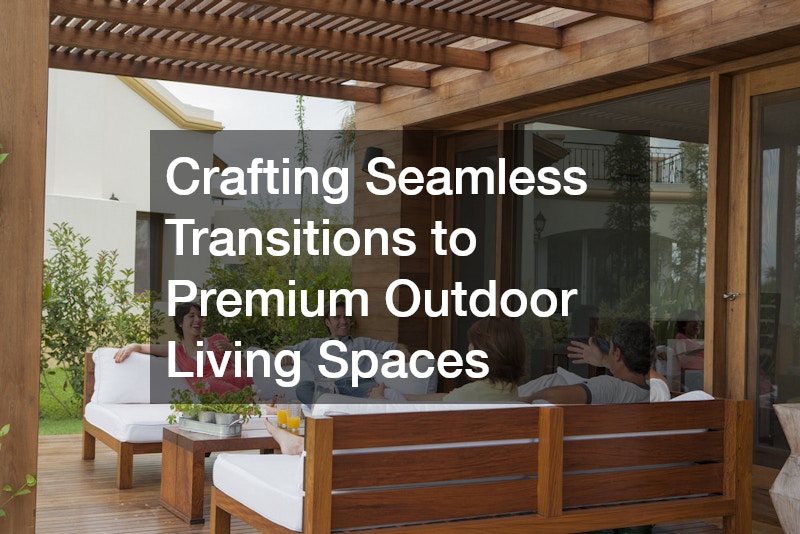
A home’s personal style shouldn’t stop at the back door. In modern design, the backyard is treated as a direct extension of the interior living space. The transition from your indoor kitchen or family room to the outdoors should feel completely seamless, encouraging family and guests to step outside and experience the property to its fullest potential.
To create a high-end outdoor living area, you must think in terms of functional zoning. Just as your indoor floor plan has dedicated areas for cooking, dining, and relaxing, your outdoor footprint should be divided into distinct rooms without physical walls. Use these strategies to maximize both style and utility:
- Mirror Indoor Comfort: Choose outdoor furniture that matches the aesthetic of your interior rooms. If your living room is minimalist and modern, select low-profile outdoor sectionals with clean metal frames and neutral, high-performance fabrics.
- Establish a Focal Point: Every great room needs a centerpiece. In an outdoor lounge, this could be a striking linear fire table, a custom stone fireplace, or a water feature that provides soothing ambient sound.
- Incorporate Ambient Lighting: Avoid harsh floodlights. Instead, string warm bistro lights overhead, hide LED strip lighting beneath stair treads, and place low-voltage lanterns in the corners of your seating zones to create an intimate, welcoming glow after sunset.
To build the structural foundation for this outdoor oasis, working with an elite builder to design custom decks is paramount. Unlike basic square platforms, custom-designed decking can incorporate multiple levels to delineate your dining area from your lounge space, frame mature trees instead of cutting them down, and feature seamless picture-frame borders or hidden fasteners for an ultra-clean look. Using premium composite materials ensures that your outdoor floor looks flawless without requiring endless staining and sanding.
An outdoor room must be comfortable to be useful. Collaborating with a high-end awning company is an excellent design choice for weather protection. Installing a custom, retractable architectural awning lets you control the climate of your deck effortlessly. Selecting premium canvas fabrics that match your home’s accent colors transforms the shade structure into a stylish feature, allowing you to enjoy your personal sanctuary even during midday heat.
Restoring Brilliance and Upgrading Your Underfoot Surfaces
The final piece of the exterior design puzzle lies right beneath your feet. Walkways, driveways, and the sheer cleanliness of your hard surfaces play a massive role in how your property is perceived. You can have magnificent paint, flawless fencing, and lush gardens, but if your driveway is cracked and your pathways are covered in a layer of dull gray grime, the entire aesthetic will feel compromised.
True personal style is highlighted by pristine maintenance and beautiful transitions. The pathways leading through your property act as the hallways of your outdoor space; they guide traffic, control the pace at which people move through the yard, and offer opportunities to introduce beautiful stone and masonry textures. Consider these upgrades for your property’s pathways:
- Widen Your Walkways: Standard builder-grade concrete paths are often narrow and cramped. Widen your primary walkways to at least four feet so two people can walk comfortably side-by-side, creating an instantly grand, welcoming atmosphere.
- Introduce Textural Borders: If you have an existing concrete driveway or path, frame it with a border of dark granite cobblestones or concrete pavers. This simple framing technique adds incredible visual depth without requiring you to rip out the entire poured surface.
- Create Meandering Paths: Instead of running a straight, boring line from point A to point B, design gently curving walkways that wind past your beautiful landscaping islands, forcing guests to slow down and enjoy the curated views.
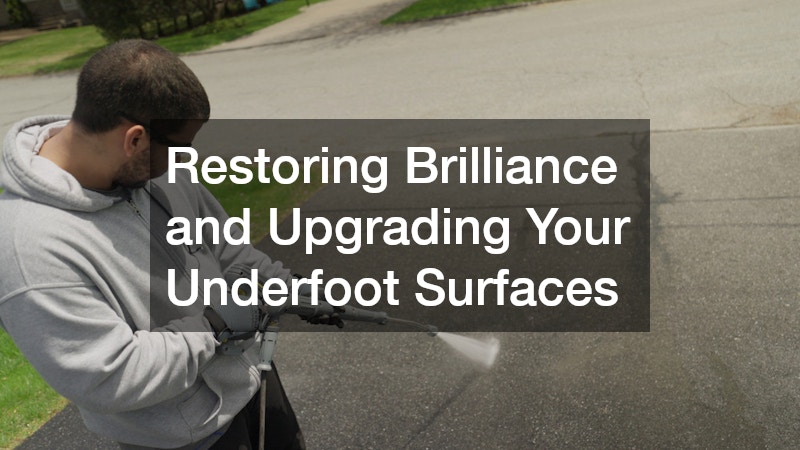
Before you invest in replacing old surfaces, it is vital to see what can be salvaged through deep restoration. Booking regular power washing services is the absolute fastest, most cost-effective way to completely transform the face of your property. Specialized hot-water pressure washers can lift decades of embedded dirt, oil stains, mold, and algae from your brickwork, vinyl siding, stone patios, and stairs. Witnessing the original, brilliant color of your stone and concrete emerge from beneath years of weather damage is nothing short of revolutionary for your home’s overall style.
For surfaces that are beyond repair, or properties seeking a structural upgrade, investing in premium paving services is the solution. Replacing a crumbling asphalt driveway with interlocking concrete pavers, stamped concrete, or cobblestones transforms your front yard. A beautifully paved driveway acts like a luxury rug for your home’s facade, tying every design element, from the house painting to the custom landscaping, together into a cohesive whole.
Elevating your home’s exterior style is a rewarding endeavor that bridges architecture, nature, and comfort. Shift from piecemeal updates to a unified design vision for your entire property. By focusing on color harmony, structural boundaries, layered landscaping, outdoor rooms, and pristine hardscape paths, you celebrate the bespoke. Your home is a sanctuary, and the surrounding property should feel like a tailored oasis. Curating your curb appeal creates a joyful space as you arrive home and offers a warm welcome to visitors.