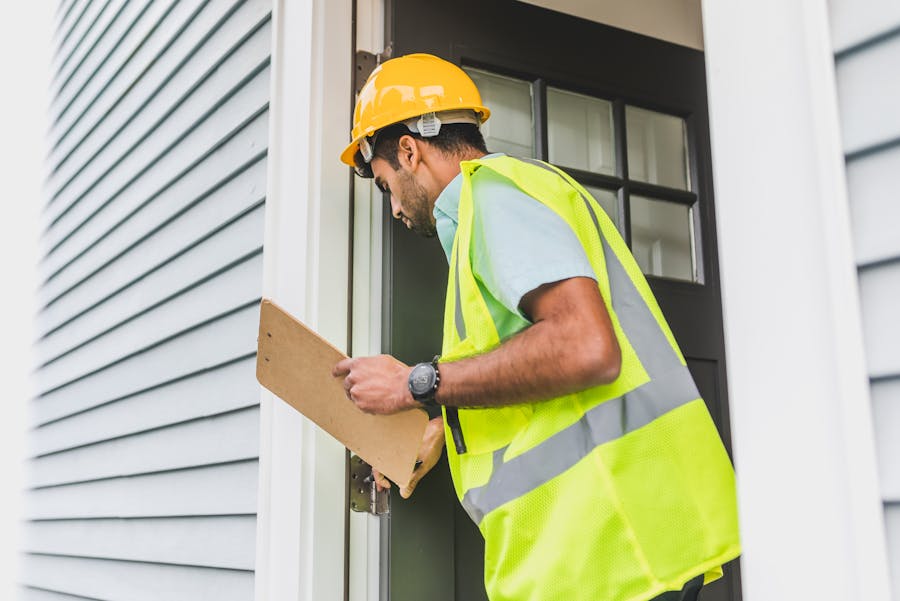
- A home safety evaluation helps identify and prevent potential hazards before accidents happen.
- Regular assessments are essential, especially for families with children, seniors, or pets.
- Key areas to check include electrical systems, fire safety, structural integrity, and outdoor spaces.
- Using a checklist makes the evaluation process more organized and effective.
- Simple safety tips at home, like securing furniture and improving lighting, can greatly reduce risks.
- Scheduling evaluations at least once a year—or during major changes—keeps your home consistently safe.
Keeping a home safe goes beyond locking doors and installing alarms. It involves a thorough understanding of potential hazards and taking proactive steps to prevent accidents before they happen. This is where a home safety evaluation becomes essential. Whether you live in a house or a condo, regularly assessing your environment can protect your loved ones and your property.
In this article, we’ll explore what a home safety evaluation is, why it matters, and how you can implement it effectively.
What is a Home Safety Evaluation?
A home safety evaluation is a systematic assessment of your living space to identify potential risks and hazards that could lead to accidents, injuries, or damage. It covers various aspects of your home, including structural integrity, electrical systems, fire safety, and even everyday items that may pose hidden dangers. This process can be done independently or with the help of professionals, depending on your needs and the complexity of your home.
At its core, a home safety evaluation focuses on prevention. Instead of reacting to accidents after they occur, it encourages homeowners to take proactive measures. By identifying risks early, you can make necessary adjustments that significantly reduce the likelihood of incidents.
Additionally, this evaluation is not a one-time task. Homes evolve over time, and so do the risks associated with them. Regular evaluations ensure that your home remains a safe and secure environment for everyone.
Why Every Family Needs a Home Safety Evaluation
Every household has unique safety concerns, but the need for a home safety evaluation is universal. Families with children, elderly members, or pets face higher risks of accidents, making it even more important to identify hazards early. A well-conducted evaluation provides peace of mind, knowing that your home is as safe as possible.
Accidents at home are more common than many people realize. Slips, electrical fires, and structural issues can happen unexpectedly. By conducting a home safety evaluation, you can address these risks before they escalate into serious problems.
Moreover, safety is not just about physical well-being. A secure home environment contributes to emotional comfort and stability. When families feel safe, they can focus on what truly matters—spending quality time together and building meaningful memories.
What Areas are Covered in a Home Safety Evaluation?
A comprehensive home safety evaluation examines multiple areas of your property to ensure nothing is overlooked. From indoor spaces to outdoor surroundings, every corner of your home plays a role in overall safety. Understanding what to check can help you conduct a more effective evaluation.
Key areas to assess include:
- Electrical systems: Check for faulty wiring, overloaded outlets, and exposed cables.
- Fire safety: Ensure smoke detectors and fire extinguishers are functional and accessible.
- Structural integrity: Inspect walls, ceilings, and floors for cracks or weaknesses.
- Plumbing systems: Look for leaks, water damage, and proper drainage.
- Outdoor spaces: Evaluate pathways, lighting, and potential tripping hazards.
Each of these areas requires careful attention. Even minor issues can develop into major problems if left unaddressed. Regular inspections help maintain a safe and well-functioning home environment.
How to Perform a Home Safety Evaluation Effectively
Conducting a home safety evaluation doesn’t have to be overwhelming. With a structured approach, you can systematically assess your home and address potential risks. Start by creating a checklist that covers all critical areas, ensuring consistency in every evaluation.
Walk through your home, room by room, and take note of anything that seems unsafe or out of place. Pay close attention to high-risk areas such as kitchens, bathrooms, and staircases. These spaces are more prone to accidents and should be prioritized during your assessment.
Incorporating basic safety tips at home can also make a significant difference. Simple actions like securing loose rugs, installing proper lighting, and keeping emergency numbers accessible can enhance overall safety. If needed, consider consulting professionals for a more detailed evaluation.
Home Safety Evaluation Checklist: What Should You Include?
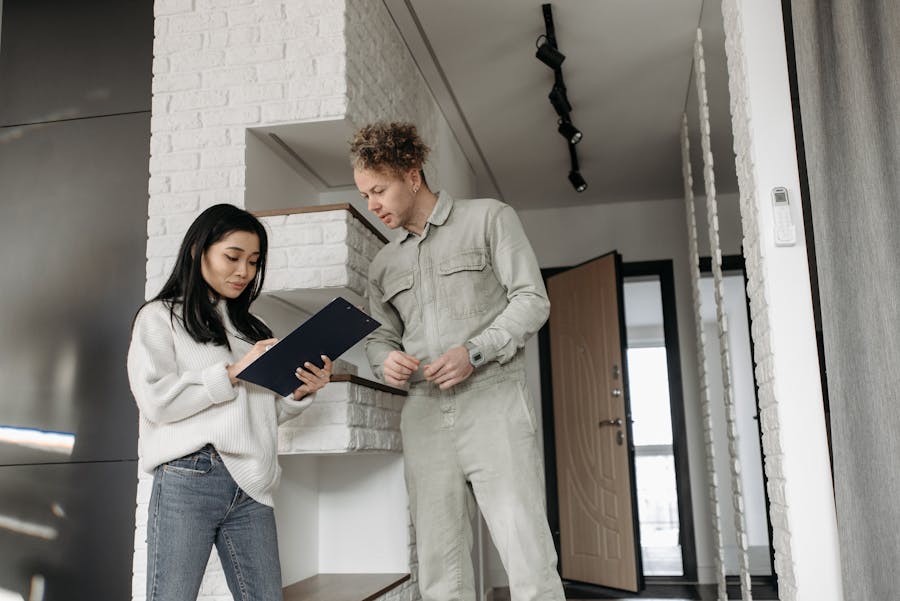
Creating a checklist is one of the most effective ways to ensure a thorough home safety evaluation. It helps you stay organized and ensures that no critical area is overlooked. A well-prepared checklist can also serve as a reference for future evaluations.
Essential checklist items:
- Test smoke alarms and replace batteries regularly
- Secure heavy furniture to prevent tipping
- Install handrails on stairs and in bathrooms
- Check locks on doors and windows
- Store hazardous materials safely out of reach
Using a checklist not only simplifies the process but also makes it easier to track improvements over time. As you address each item, you’ll gradually create a safer living environment for your family.
When Should You Schedule a Home Safety Evaluation?
Timing plays a crucial role in maintaining home safety. While it’s recommended to conduct evaluations at least once a year, certain situations may require more frequent checks. Major life changes or home renovations are ideal times to reassess your living space.
Seasonal changes can also introduce new risks. For example, rainy seasons may increase the likelihood of leaks or slippery surfaces, while dry conditions can heighten fire hazards. Adjusting your evaluation schedule based on these factors ensures that your home remains prepared for different conditions.
Ultimately, consistency is key. Regular evaluations help you stay ahead of potential risks and maintain a safe environment. By making home safety a priority, you protect not only your property but also the well-being of everyone who lives in it.
Conclusion: Building a Safer Home for Your Family
A home safety evaluation is more than just a routine task—it’s an investment in your family’s safety and peace of mind. By identifying risks early and taking proactive measures, you can prevent accidents and create a secure living environment. From simple fixes to more comprehensive improvements, every step contributes to a safer home.
Making safety a habit ensures long-term benefits. With regular evaluations and consistent maintenance, your home can remain a place of comfort and protection for years to come. Start your home safety evaluation today and take the first step toward a safer future.