
- Conduct regular home safety checks to identify and fix potential hazards early.
- Keep your home organized and well-lit to prevent common accidents like slips and falls.
- Install essential safety devices such as smoke detectors, fire extinguishers, and surge protectors.
- Childproof key areas and secure dangerous items to protect young family members.
- Practice fire safety and create a clear emergency escape plan for the whole household.
- Maintain electrical systems and appliances properly to avoid fires and injuries.
- Prepare an emergency kit and ensure all family members know what to do during unexpected situations.
Creating a safe home environment is one of the most important responsibilities for any family. While homes are meant to be places of comfort and security, they can also present hidden risks if proper precautions are not taken. From electrical hazards to emergency preparedness, understanding how to minimize risks can significantly reduce accidents and injuries.
This comprehensive guide explores essential strategies that families can implement to improve safety at home. Whether you live in a small apartment or a large house, these practical and actionable tips will help you build a secure living space for everyone.
Why Is Home Safety Important for Every Family?
Home safety is often overlooked because people associate danger with the outside world. However, statistics consistently show that many accidents occur within the home due to preventable hazards. Slips, falls, fires, and electrical issues are just a few examples of risks that can arise in everyday situations.
A proactive approach to safety at home ensures that families are prepared for both common and unexpected situations. Establishing safety routines not only protects physical well-being but also promotes peace of mind. When everyone in the household understands basic safety measures, it becomes easier to prevent accidents before they happen.
Another important factor is that safety awareness fosters responsibility among family members. Children learn to recognize hazards early, while adults become more mindful of maintenance and emergency preparedness. This shared responsibility creates a safer and more organized living environment.
Safety Tips at Home: Where Should You Start?
Improving safety at home does not have to be overwhelming. The best approach is to start with a thorough assessment of your living space. Identify areas that pose potential risks and prioritize addressing them based on urgency and impact.
Begin by walking through each room and observing possible hazards. Look for loose wires, slippery floors, poorly lit areas, and cluttered pathways. These small issues can quickly turn into serious safety concerns if left unattended.
Once you’ve identified risks, create a simple safety plan. This can include regular maintenance schedules, emergency contacts, and clear household rules. By breaking down safety improvements into manageable steps, families can make consistent progress without feeling overwhelmed.
How Can You Prevent Common Household Accidents?
Household accidents are among the most frequent causes of injury, but many of them are preventable with simple precautions. Awareness and consistency are key to reducing risks in everyday activities.
One of the most effective ways to prevent accidents is to maintain a clean and organized home. Cluttered spaces increase the likelihood of trips and falls, especially in high-traffic areas like hallways and living rooms. Keeping floors clear and ensuring proper lighting can significantly reduce these risks.
Additionally, installing safety features such as non-slip mats and secure handrails can provide extra protection. These small adjustments can make a big difference, especially for children and elderly family members who are more vulnerable to accidents.
Common Preventive Measures:
- Keep walkways free of clutter
- Use non-slip rugs and mats
- Install handrails on stairs
- Ensure adequate lighting in all rooms
- Regularly check for loose flooring or tiles
What Fire Safety Measures Should Every Home Have?
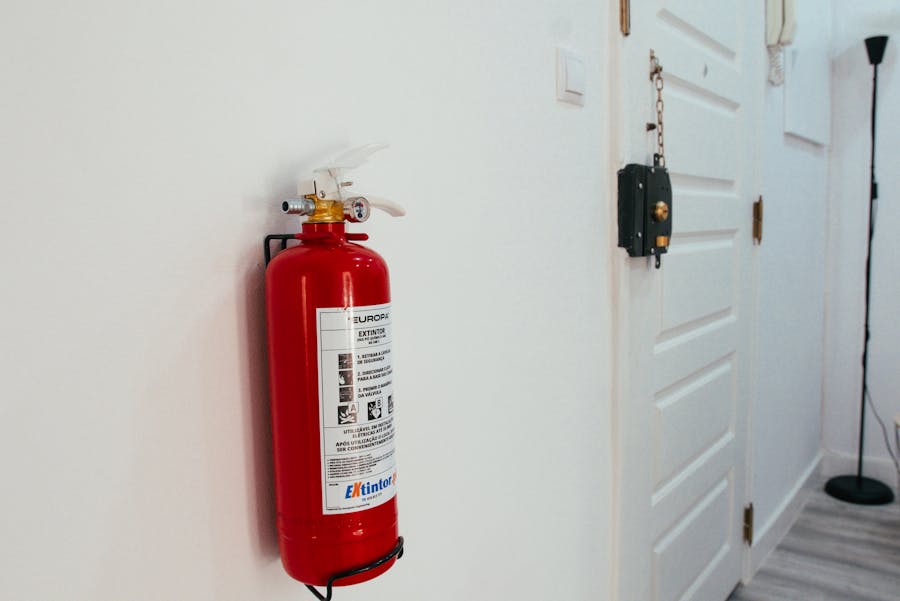
Fire hazards are one of the most serious threats in any household. Cooking accidents, faulty wiring, and unattended appliances can quickly escalate into dangerous situations. Taking preventive measures is essential to protect your family and property.
Start by installing smoke detectors in key areas such as bedrooms, kitchens, and hallways. Regularly test these devices to ensure they are functioning properly. Having a fire extinguisher readily available and knowing how to use it can also make a critical difference during emergencies.
Equally important is creating a fire escape plan. Every family member should know the quickest way out of the house and have a designated meeting point outside. Practicing this plan regularly ensures that everyone can respond quickly and calmly in case of a fire.
Fire Safety Essentials:
- Install and maintain smoke detectors
- Keep fire extinguishers accessible
- Avoid overloading electrical outlets
- Never leave cooking unattended
- Create and practice a fire escape plan
Are Your Electrical Systems Safe Enough?
Electrical hazards are often invisible but can be extremely dangerous if not properly managed. Faulty wiring, overloaded outlets, and damaged appliances can lead to shocks, fires, or even fatalities.
Regular inspection of electrical systems is crucial. Check for frayed wires, exposed cables, and outlets that feel warm to the touch. These are warning signs that should never be ignored. If you notice any issues, it is best to consult a qualified electrician for repairs.
Another important safety measure is to use appliances according to the manufacturer’s guidelines. Avoid using multiple high-powered devices on a single outlet, as this can cause overheating. Investing in surge protectors can also help safeguard your home from electrical damage.
Electrical Safety Tips:
- Replace damaged cords immediately
- Avoid overloading power outlets
- Use surge protectors
- Keep electrical devices away from water
- Schedule regular electrical inspections
How Do You Childproof Your Home Effectively?
For families with young children, childproofing is a top priority. Children are naturally curious, which can lead them to explore potentially dangerous areas of the home. Taking preventive measures helps create a safer environment for them to grow and play.
Start by securing furniture and appliances that could tip over. Install safety locks on cabinets and drawers, especially those containing sharp objects or harmful substances. Cover electrical outlets and keep cords out of reach to prevent accidental shocks.
It’s also important to establish clear safety rules and supervise children closely. While physical safety measures are essential, teaching children about potential dangers helps them develop awareness and responsibility over time.
Childproofing Essentials:
- Install cabinet locks and safety latches
- Use outlet covers
- Anchor heavy furniture to walls
- Keep hazardous items out of reach
- Use safety gates in restricted areas
What are the Best Kitchen Safety Practices?
The kitchen is one of the busiest areas in any home, making it a common site for accidents. From burns to cuts, there are numerous risks associated with cooking and food preparation.
To improve safety, always keep flammable items away from the stove. Use proper cookware and ensure that pot handles are turned inward to prevent accidental spills. Maintaining cleanliness is also important, as grease buildup can increase fire risks.
Proper storage of sharp tools and hot appliances is another key factor. Knives should be kept in designated holders, and hot surfaces should never be left unattended. By following these practices, families can significantly reduce kitchen-related accidents.
Kitchen Safety Tips:
- Keep flammable materials away from heat sources
- Store knives safely
- Clean spills immediately
- Use proper cooking equipment
- Supervise children in the kitchen
How Can You Improve Bathroom Safety?
Bathrooms can be surprisingly hazardous due to slippery surfaces and the presence of water. Falls are one of the most common accidents in this area, especially for children and older adults.
Installing non-slip mats in showers and near sinks can greatly reduce the risk of slipping. Grab bars and handrails provide additional support, making it easier to move safely in wet conditions. Ensuring proper ventilation also helps prevent mold and moisture buildup.
Another important aspect of bathroom safety is temperature control. Setting water heaters to a safe temperature prevents scalding accidents. These simple adjustments can make bathrooms much safer for everyone in the household.
Bathroom Safety Measures:
- Use non-slip mats
- Install grab bars
- Ensure proper lighting
- Regulate water temperature
- Keep electrical devices away from water
Are You Prepared for Emergencies at Home?
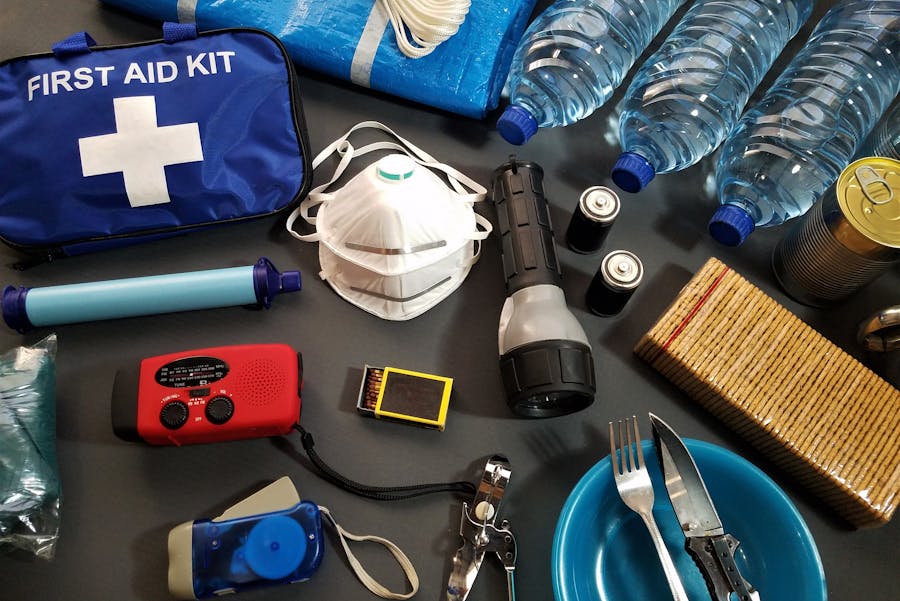
Emergency preparedness is a critical component of home safety. Natural disasters, power outages, and medical emergencies can occur without warning, making it essential to have a plan in place.
Start by assembling an emergency kit that includes basic supplies such as water, food, first aid items, and flashlights. Keep this kit easily accessible and regularly check its contents to ensure everything is up to date.
Communication is also key during emergencies. Make sure all family members know important contact numbers and have a clear plan for staying connected. Practicing emergency drills can help everyone respond more effectively in real-life situations.
Emergency Preparedness Checklist:
- Prepare an emergency kit
- Keep important contacts accessible
- Establish communication plans
- Practice emergency drills
- Stay informed about local risks
How Does Regular Maintenance Improve Safety?
Regular home maintenance plays a vital role in preventing accidents and ensuring long-term safety. Small issues, if ignored, can escalate into major hazards that are costly and dangerous to fix.
Routine inspections allow homeowners to identify problems early. This includes checking roofing, plumbing, electrical systems, and structural components. Addressing these issues promptly helps maintain a safe and functional living environment.
Consistency is key when it comes to maintenance. Creating a schedule for inspections and repairs ensures that nothing is overlooked. By staying proactive, families can avoid unexpected risks and maintain a secure home.
Maintenance Tips:
- Conduct regular inspections
- Fix minor issues promptly
- Schedule professional check-ups
- Keep a maintenance checklist
- Monitor wear and tear
Conclusion: Building a Safer Home for Your Family
Creating a safe home is an ongoing process that requires awareness, effort, and consistency. By implementing these essential safety tips at home, families can significantly reduce risks and create a more secure living environment.
From preventing accidents to preparing for emergencies, every step contributes to overall safety and well-being. The key is to stay proactive, involve all family members, and continuously improve safety practices over time.
A safe home is not just about avoiding dangers—it’s about creating a space where everyone feels protected, comfortable, and confident in their surroundings.