Creating a comfortable living space is about more than stylish furniture or trendy paint colors. True comfort comes from how well your home supports your daily routines, protects your health, and adapts to changing seasons. From maintaining indoor air quality to ensuring outdoor spaces are just as welcoming as your interior, every part of your home plays a role in how comfortable it feels day to day. Small improvements made consistently can have a big impact on how relaxed, safe, and functional your living environment becomes.
A comfortable home also tends to be a more efficient one. When systems are well maintained and design choices are intentional, homeowners often experience fewer unexpected repairs, lower utility bills, and less stress overall. Comfort isn’t just physical—it’s the peace of mind that comes from knowing your home is working for you, not against you. Whether you live in a newer build or an older house, there are always opportunities to improve airflow, lighting, organization, and usability.
The following tips focus on practical, realistic ways to make your home more enjoyable to live in year-round. These ideas address both interior and exterior considerations, recognizing that comfort doesn’t stop at the front door. By approaching home improvement holistically, you can create a space that feels inviting, functional, and supportive of your lifestyle for years to come.
Improve Indoor Air Quality
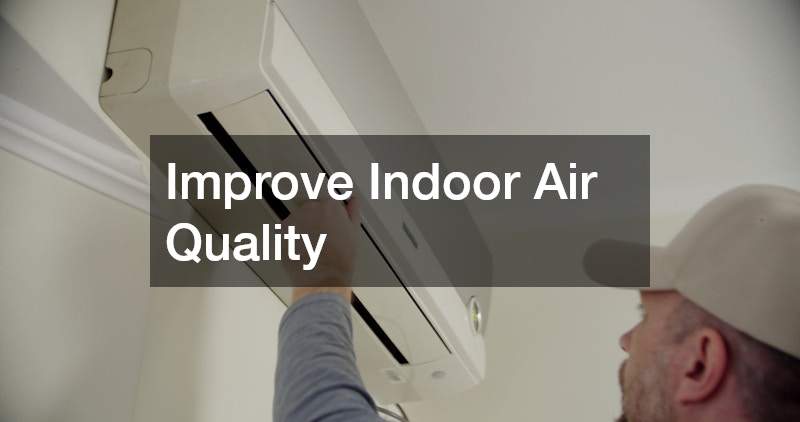
Indoor air quality has a direct impact on comfort, health, and overall well-being. Dust, allergens, and excess humidity can build up quickly, especially in homes that are tightly sealed for energy efficiency. Regularly changing HVAC filters, cleaning vents, and keeping humidity levels balanced help reduce respiratory irritation and keep the air feeling fresh. Opening windows when the weather permits also encourages natural ventilation and prevents stale air from lingering.
Beyond basic maintenance, incorporating air-purifying houseplants and using low-VOC paints and finishes can further enhance indoor air quality. These small choices reduce the amount of airborne chemicals released into your living space and create a cleaner environment over time. Dehumidifiers and air purifiers can also be useful in regions with high humidity or seasonal allergens.
In some cases, poor air quality is tied to hidden issues such as water damage or lingering moisture behind walls. When musty odors or visible growth appear, a professional mold removal service can address the problem at its source and help restore a healthier indoor environment. Addressing these concerns early not only improves comfort but also protects the structural integrity of your home.
Optimize Natural And Artificial Lighting
Lighting plays a major role in how comfortable and inviting a space feels. Natural light boosts mood, enhances productivity, and makes rooms feel larger and more open. Homes that receive ample daylight often feel more energetic during the morning hours and more relaxing in the evening. Keeping windows clean, trimming exterior landscaping, and using lighter window treatments can maximize the amount of daylight entering your home. Reflective surfaces, such as light-colored walls and strategically placed mirrors, can further distribute natural light throughout a room. Skylights and solar tubes are also effective options for darker areas like hallways or bathrooms, bringing in sunlight without sacrificing privacy or wall space.
When natural light is limited, thoughtful artificial lighting makes all the difference. Layering ambient, task, and accent lighting allows you to adapt rooms to different activities throughout the day, from focused work to relaxed evenings. Proper lighting placement reduces eye strain and improves visibility in kitchens, offices, and reading areas. Adjustable fixtures and dimmer switches provide flexibility, allowing homeowners to fine-tune brightness based on time of day or mood. Modern window treatments such as roller shades help control glare and privacy without blocking light entirely. The right lighting balance creates a warm, comfortable atmosphere that supports both relaxation and functionality while enhancing the overall design of the space.
Maintain Exterior Drainage And Water Control
Water management is one of the most overlooked aspects of home comfort. Poor drainage can lead to foundation issues, basement dampness, and landscape erosion, all of which affect how comfortable and safe your home feels. Standing water can also encourage mold growth and attract pests, creating additional concerns for homeowners. Ensuring that water is directed away from the structure helps prevent long-term damage and costly repairs. Proper grading around the foundation, along with functional drainage systems, plays a critical role in protecting both the home’s structure and the comfort of those living inside.
Well-installed gutters and downspouts play a key role in this process. Working with experienced gutter installers ensures rainwater is properly channeled away from your home, protecting siding, foundations, and walkways from water damage. Properly sized and positioned systems prevent overflow during heavy rainfall and reduce soil erosion around the home. Regular inspections and cleanings help maintain consistent performance, especially during heavy rain seasons when debris buildup is more common. When water flows where it should, your home stays drier, cleaner, and more comfortable while minimizing the risk of long-term structural issues.
Create Comfortable Outdoor Living Areas

Comfort doesn’t end indoors. Outdoor living spaces extend your usable square footage and provide areas for relaxation, entertainment, and family time. Well-designed outdoor areas encourage homeowners to spend more time outside, supporting both physical and mental well-being. Patios, walkways, and seating areas should feel just as intentional as interior rooms, with layouts that support conversation, dining, and movement. Choosing durable, attractive materials for hardscaping helps create a cohesive and comfortable outdoor environment that blends seamlessly with the home’s overall design.
A well-laid paver patio offers both visual appeal and long-term durability. Pavers allow for proper drainage, reduce slipping hazards, and can be arranged in patterns that complement your home’s style. Their strength makes them well-suited for high-traffic areas and changing weather conditions. Their modular nature also makes repairs easier compared to poured concrete, which adds to long-term convenience. Individual pavers can be replaced if damaged, helping maintain a polished appearance without extensive renovation.
To increase comfort further, consider incorporating elements such as outdoor rugs, weather-resistant cushions, and designated zones for dining or lounging. These details help outdoor spaces feel more like extensions of the interior living area. Fire pits or outdoor heaters can extend usability into cooler months, creating cozy gathering spots for evenings. Ceiling fans or misting systems help during warmer weather by improving airflow and cooling. Adding shade structures, comfortable seating, and subtle lighting further enhances usability, allowing you to enjoy outdoor spaces throughout more of the year and adapt them to different occasions.
Keep Pests Under Control
Few things disrupt comfort faster than unwanted pests. Insects and rodents can cause damage, spread allergens, and create ongoing stress for homeowners. Preventative measures such as sealing entry points, keeping food storage areas clean, and maintaining landscaping help reduce the likelihood of infestations.
When pests persist, professional exterminators provide targeted solutions that address the root of the problem. Regular inspections and treatments help maintain a pest-free environment without relying on temporary fixes. A home free from pests feels safer, cleaner, and significantly more comfortable for everyone living in it.
Ensure Reliable Shade And Weather Protection
Sun exposure, heat, and unpredictable weather can make both indoor and outdoor spaces uncomfortable. Thoughtful shade solutions help regulate temperature, reduce glare, and protect furnishings from UV damage. Exterior shade structures also expand how often outdoor areas can be used comfortably. By limiting direct sunlight, shade features help prevent interior spaces from overheating, which can lower cooling costs and reduce strain on HVAC systems. Outdoors, proper shade makes patios and decks more inviting during peak daylight hours, encouraging more frequent use. Shade solutions also protect flooring, furniture, and finishes from fading or warping over time, extending their lifespan. When planned strategically, shade becomes both a comfort feature and a long-term investment in preserving your home’s condition.
Partnering with a reputable canopy company can provide customized solutions for patios, decks, and outdoor seating areas. Canopies and awnings create shaded retreats that stay cooler during hot months while still allowing airflow. These structures can be fixed or retractable, offering flexibility as weather conditions change throughout the day or season. Professionally designed canopies also blend seamlessly with your home’s architecture, maintaining curb appeal while adding function. Inside the home, complementary window treatments help maintain consistent temperatures and reduce reliance on air conditioning. By minimizing heat gain through windows, homeowners can enjoy improved comfort while also benefiting from increased energy efficiency and more stable indoor temperatures year-round.
Maintain Plumbing And Waste Systems

Plumbing issues often develop quietly, but when they surface, they can significantly disrupt daily life. Slow drains, unpleasant odors, and backups affect both comfort and hygiene. Even minor leaks can lead to water damage, mold growth, and increased utility bills if left unaddressed. Regular maintenance keeps systems running smoothly and helps avoid emergency repairs that can be costly and stressful. Routine inspections allow small problems to be corrected early, preserving water pressure and system efficiency. A well-maintained plumbing system supports daily routines without interruption, contributing to a cleaner, healthier, and more comfortable living environment overall.
Homes with septic systems require consistent care to function properly. Scheduling routine septic pumping prevents overflows and protects drain fields from damage. Without proper maintenance, solid waste can build up and cause system failures that disrupt daily life and contaminate the surrounding soil. Staying proactive with inspections and maintenance ensures that wastewater systems operate efficiently and safely. Homeowners who follow recommended service schedules often experience fewer odors, slower drains, and unexpected repairs. Proper septic care supports sanitation, protects groundwater, and contributes to a cleaner, more comfortable home environment for both residents and neighbors.
Control Temperature And Insulation
Consistent indoor temperatures are essential for year-round comfort. Drafts, uneven heating, and poor insulation can make certain rooms uncomfortable and increase energy costs. These issues often cause homeowners to rely excessively on heating or cooling systems, driving up monthly expenses. Sealing gaps, upgrading insulation, and maintaining HVAC systems help stabilize temperatures throughout the home. Proper insulation also reduces noise transfer between rooms and from outside, enhancing overall comfort. When temperature control is balanced, living spaces feel more predictable and inviting, regardless of season or weather conditions.
Fireplaces and chimneys also play a role in temperature control, especially in colder climates. Over time, wear and damage can reduce efficiency and safety, allowing heat to escape or drafts to enter the home. Cracked liners, blocked flues, and deteriorating masonry can compromise performance and increase fire risks. Professional chimney restoration services help restore proper airflow and structural integrity, ensuring your fireplace adds warmth and comfort without introducing hazards.
Improve Storage And Organization
Clutter can make even large homes feel cramped and uncomfortable. Improving storage solutions helps maintain a sense of order and makes daily routines more efficient. Built-in shelving, closet organizers, and multifunctional furniture maximize available space without sacrificing style.
Storage improvements also support mental comfort. When items have designated places, it becomes easier to maintain cleanliness and reduce visual stress. Entryway storage, for example, keeps shoes, bags, and outerwear from spreading throughout the home, while pantry systems make kitchens easier to navigate.
Garages are often underutilized when the organization is lacking. Updating layouts and incorporating smart storage systems can transform a cluttered garage into a functional extension of the home. Wall-mounted racks, overhead storage, and workbenches help reclaim usable space. In some cases, modern garage door installations also improve accessibility, insulation, and curb appeal, contributing to both comfort and convenience.
Invest In Structural And Exterior Maintenance
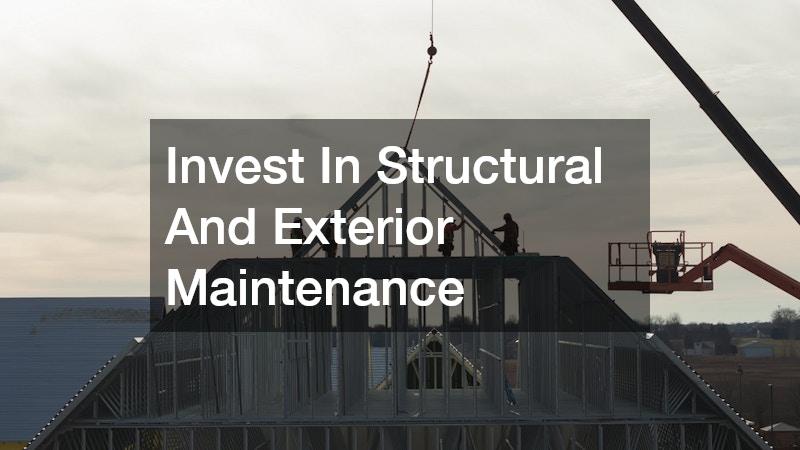
A home’s exterior condition directly affects interior comfort. Roofs, siding, and structural elements protect against weather, regulate temperature, and maintain indoor air quality. Deferred maintenance can lead to leaks, drafts, and long-term damage that compromises comfort.
Regular inspections and timely repairs are essential. Working with a trusted roofing company ensures that shingles, flashing, and ventilation systems perform as intended. Keeping the exterior envelope in good condition helps maintain stable indoor temperatures, prevents moisture intrusion, and preserves the overall comfort of your living space.
Creating a more comfortable living space is an ongoing process that blends maintenance, thoughtful design, and proactive care. Each improvement, whether large or small, contributes to how your home feels on a daily basis. Comfort is built through consistency—regular upkeep, intentional upgrades, and attention to both visible and hidden systems. When these elements work together, your home becomes a place that supports relaxation, productivity, and peace of mind.