Selecting the right exterior siding for your home is more than just an aesthetic decision. The siding you choose plays a crucial role in protecting your house from the elements, enhancing energy efficiency, and boosting curb appeal. With so many options available, homeowners often face the daunting task of balancing durability, maintenance, cost, and style. Understanding the strengths and weaknesses of different siding materials can help you make an informed decision that suits both your home’s architecture and your lifestyle.
Understanding House Siding
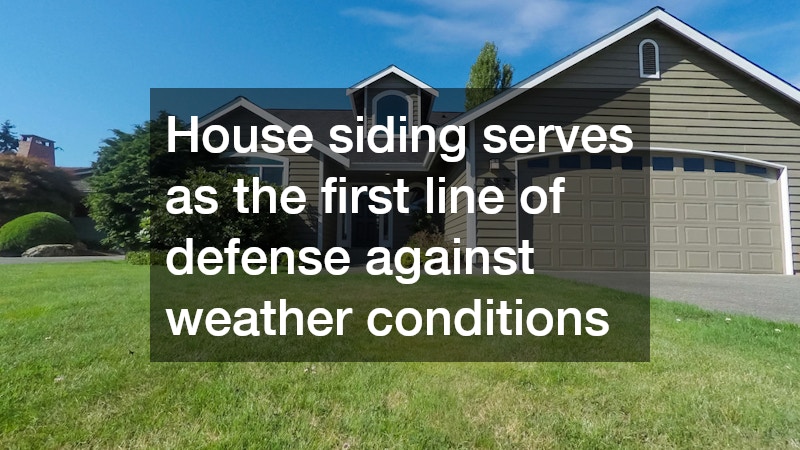
House siding serves as the first line of defense against weather conditions such as rain, wind, snow, and UV rays. Beyond protection, siding contributes to insulation, which can reduce energy costs, and it defines the overall appearance of your home.
Modern siding materials offer a wide range of textures, colors, and finishes, giving homeowners the flexibility to achieve a classic, modern, or rustic look.
Before selecting a siding material, it’s important to assess your home’s climate, the architectural style, and your long-term maintenance goals. Some materials excel in durability but may require higher upfront investment, while others are more budget-friendly but need frequent upkeep. Let’s explore some of the most popular house siding options and their advantages and disadvantages.
Vinyl Siding
Vinyl siding is one of the most commonly used materials in residential construction, and for good reason. It is affordable, low-maintenance, and resistant to moisture, insects, and rot. Vinyl siding comes in a wide variety of colors and styles, from smooth panels to textured finishes that mimic wood grain.
Advantages:
-
Cost-effective and easy to install.
-
Resistant to moisture and pests.
-
Requires minimal maintenance—occasional washing is usually sufficient.
Disadvantages:
-
Can crack or fade over time, especially in extreme weather conditions.
-
Limited insulation properties unless combined with additional insulation layers.
Vinyl siding is ideal for homeowners seeking a balance between affordability and durability. It’s particularly suitable for areas with moderate climates, as extreme heat or cold can sometimes affect its lifespan.
Wood Siding
Wood siding offers timeless beauty and natural charm. It can be painted or stained in a variety of colors, allowing for a personalized aesthetic. Popular types include cedar, redwood, and pine, each with its unique grain pattern and color.
Advantages:
-
Natural appearance with high aesthetic value.
-
Can be painted or stained to match any style.
-
Biodegradable and environmentally friendly.
Disadvantages:
-
Requires regular maintenance to prevent rot, insect damage, and warping.
-
Higher upfront costs compared to vinyl or aluminum siding.
-
Susceptible to moisture damage if not properly sealed.
Wood siding is best suited for homeowners who value elegance and are willing to invest in ongoing maintenance to preserve its appearance and longevity.
Fiber Cement Siding
Fiber cement siding has gained popularity as a durable alternative to wood. Made from a combination of cement, sand, and cellulose fibers, this material mimics the look of wood without the high maintenance requirements.
Advantages:
-
Extremely durable and resistant to fire, insects, and rot.
-
Can mimic wood, stucco, or masonry finishes.
-
Requires less maintenance than wood siding.
Disadvantages:
-
More expensive and heavier than vinyl siding.
-
Installation can be labor-intensive, often requiring professional assistance.
Fiber cement siding is ideal for homeowners seeking a long-lasting material that combines the aesthetic appeal of wood with superior durability.
Metal Siding
Metal siding, including aluminum and steel, is another option for modern homes. Known for its strength and resistance to extreme weather, metal siding can give your home a sleek, contemporary appearance.
Advantages:
-
Highly durable and resistant to fire, rot, and insects.
-
Low-maintenance and long-lasting.
-
Can be recycled, making it an eco-friendly choice.
Disadvantages:
-
Can dent or scratch more easily than other materials.
-
Limited color options compared to vinyl or wood.
-
May require professional installation.
Metal siding works well in regions prone to harsh weather conditions, as it can withstand high winds and heavy rains without significant damage.
Brick and Stone Siding
Brick and stone siding provide a classic and timeless look. These materials are highly durable and virtually maintenance-free, offering excellent insulation and fire resistance.
Advantages:
-
Extremely durable with a lifespan of several decades.
-
Adds significant curb appeal and property value.
-
Low-maintenance and resistant to pests and fire.
Disadvantages:
-
High upfront costs.
-
Limited design flexibility and color options.
-
Installation is labor-intensive and time-consuming.
Brick or stone siding is perfect for homeowners who prioritize long-term durability and a sophisticated appearance.
Making the Right Choice
When choosing the best exterior siding for your home, it’s important to consider not only the material’s aesthetic appeal but also its durability, maintenance requirements, and cost. Climate, energy efficiency, and architectural style should all factor into your decision. Whether you prefer the affordability of vinyl, the elegance of wood, the durability of fiber cement, or the classic look of brick and stone, selecting the right house siding is a long-term investment that protects your home and enhances its beauty.
House siding is more than just a decorative feature—it is a functional component that safeguards your home while shaping its exterior character. By carefully evaluating your options and understanding the pros and cons of each material, you can make an informed choice that aligns with your home’s needs and your personal preferences. Investing time in selecting the right siding today will ensure your home remains attractive, protected, and energy-efficient for years to come.